
Educational content from recorded physician discussions — not medical advice. Talk to your (or your child's) care team about your situation.
Video
Botox for TMJ with Dr. Diana Ponsky #shorts
Dr. Diana Ponsky · 1 min · Published Jun 2026
Video
Real Patient Testimonials with Dr. Diana Ponsky
Dr. Diana Ponsky · 3 min · Published Jun 2026
Video
What is an upper lip lift? Ask Dr. Diana Ponsky
Dr. Diana Ponsky · 48 s · Published Jun 2026
Video
3 Nonsurgical Under Eye Treatments | Dr. Diana Ponsky
Dr. Diana Ponsky · 56 s · Published Jun 2026
Video
What is filler fatigue? Facial plastic surgeon Dr. Diana Ponsky explains!
Dr. Diana Ponsky · 48 s · Published Jun 2026
Video
Role model MD: Meet Dr. Diana Ponsky from Ponsky Facial Plastic Surgery in Beachwood
Dr. Diana Ponsky · 5 min · Published Jun 2026
What the experts said
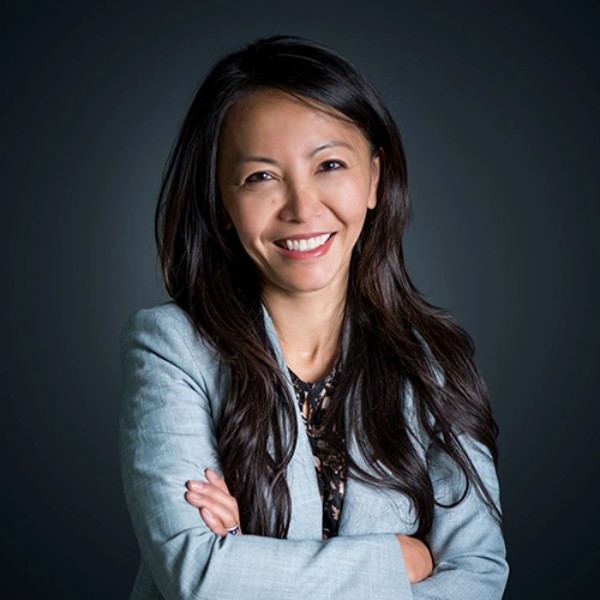
Dr. Diana Ponsky is a double board certified facial plastic surgeon working in Cleveland, Ohio, who spent 12 years with the university before starting her own private practice.
In emergency rooms at hospitals, one of the standard screening questions for most patients is 'do you feel safe in your home?'
Double board certification means completing training as an otolaryngologist (learning head and neck anatomy and surgeries including cancer resections, sinus surgeries, and tonsils) plus an extra year specializing in cosmetic and reconstructive procedures of the face.
Rhinoplasty comes in two different waves that are sometimes combined: the functional part for breathing and the cosmetic part for appearance, with reconstruction needed after trauma, accidents, or cancer.
The nose is the one thing right in the center of the face that doesn't want to be noticed, and when the nose is noticed, it's because it doesn't match.
In nasal surgery, the inside influences the outside, so attention must be paid to the inside first—if someone is congested and can't breathe with internal swelling, the outside swelling takes longer to improve.
Dr. Ponsky works from both photographs and physical examination, examining the inside and getting hands on the patient's skin, cartilage, and bones to predict how things will look when opened up during surgery.
The American Academy of Facial Plastic and Reconstructive Surgery's Face to Face program includes sections dealing with domestic violence, congenital issues, and doctors who go to war-torn countries, with a group recently going to Ukraine.
Physical scars can be addressed surgically, but emotional impact is much more impactful and much longer lasting, requiring work with mental health experts to help patients regain confidence.
Through the Face to Face program, Dr. Ponsky only sees patients at the end product of their emotional injury after they have completely extricated themselves from the abusive situation and completed their journey with mental health experts.
The most common facial injuries in domestic violence cases are broken noses (the easiest bone to fracture), followed by jaw injuries, eye socket fractures, teeth injuries, and soft tissue injuries like lacerations and cuts made with objects.
Post-trauma rhinoplasty is much more complex than medically planned rhinoplasty because trauma causes uncontrolled injuries with fractures in unpredictable places, whereas in the operating room fractures are made in controlled places.
Bruising and swelling from trauma is much more widespread than in a controlled operating room setting where the surgeon knows what they're causing and where.
After trauma, the nose can heal completely deviated, sunken in, or lose its blood supply, making reconstructive surgery much more complex and sometimes requiring cartilage to be borrowed from the ear or rib.
For nasal structures, the nose is the most unforgiving, and every little bruise can cause a defect; the bone and cartilage structure supports the skin, so without the structure, everything just falls.
In rhinoplasty, Dr. Ponsky makes a small incision in the columella area with strategically hidden incisions inside, then lifts the skin to build and change the cartilage and bone underneath.
A Russian woman who received surgery through the Face to Face program reported that the surgery completely changed her life, allowing her to apply for jobs without feeling people were staring at her disfigurement and making it easier to forget her abuser and the old country.
The Face to Face program is not gender-specific, with Dr. Ponsky currently working with a male survivor whose wife beat him and who was in the abusive relationship for about 15 years before being able to leave.
A patient who came to Dr. Ponsky privately for reconstructive rhinoplasty after domestic violence reported 34 years later that discussing the surgery still brings tears to her eyes, demonstrating that emotional scars last much longer than physical ones.
Long-term challenges for domestic violence survivors include chronic pain, inflammation from bodily injuries, disfigurement, PTSD, and the persistent memory of their pre-surgery appearance, with some symptoms being non-physical and therefore harder to address.
Dr. Ponsky stays current by attending two professional meetings per year to learn the most recent techniques intended to shorten recovery time and reduce incisions.
The National Domestic Violence Hotline number is 800-799-SAFE, and there is also a text line at 88788 where texting 'begin' will start a query process for those who cannot safely make a phone call.
Survivors considering facial plastic surgery should expect to feel apprehensive (even non-trauma patients feel this way), do research, talk to professionals, and consider surgery if they wake up every day seeing only the injury, if it keeps them from self-love, or if it prevents them from moving forward such as looking for jobs.
People can support the Face to Face program by donating through the AAFPRS Academy (American Academy of Facial Plastic Reconstructive Surgery) and designating 'Face to Face DV' for domestic violence, with funds helping pay for operating room facility fees, anesthesiologist costs, and patient medications like antibiotics and sprays.
In the Face to Face program, surgeon services are free, and anesthesiologists also donate their time, but facility fees at corporate-owned surgery centers are harder to waive, which is where donated funds help.
Dr. Ponsky hopes the Face to Face program will grow to include more surgeons on their roster so that even people in remote areas like South Dakota will have access to a surgeon, as the program is currently more concentrated in bigger cities.
Many patients walking around don't know about the Face to Face program services they could utilize, and the program connects with mental health experts who can help with long-term emotional recovery.
According to census data from multiple points, about 1 in 2 women encounter some sense of violence from their intimate partners, whether sexual, physical, or stalking, and 2 out of 5 men experience similar violence.
85% of abuse victims are women, and about 70% of domestic violence injuries occur in the facial region.