

Educational content from recorded physician discussions — not medical advice. Talk to your (or your child's) care team about your situation.
Video
Thoracoscopic Repair of Tracheo-esophageal Fistula Tricks: Pediatric Surgery...
19 min · Published Jul 2017
Video
Glycopyrrolate for Anastomtic Dehiscence in Esophageal Atresia
2 min · Published May 2017
Video
Thoracoscopic Repair of Esophageal Atresia with Distal Tracheo-esophageal...
5 min · Published Feb 2020
Video
Esophageal Atresia & Tracheoesophageal Fistula (EA/TEF) Types Explained for Pediatric Surgery
2 min · Published Sep 2026
Video
EA/TEF Discussion & Technique: Difficult Cases
19 min · Published Dec 2013
Video
Posterior Tracheopexy during Primary Esophageal Atresia Repair
Published Sep 2018
Video
sealer demo
Dr. Steve Rothenberg · 3 min · Published May 2026
Video
pyloric knife
Dr. Steve Rothenberg · Published May 2026
Video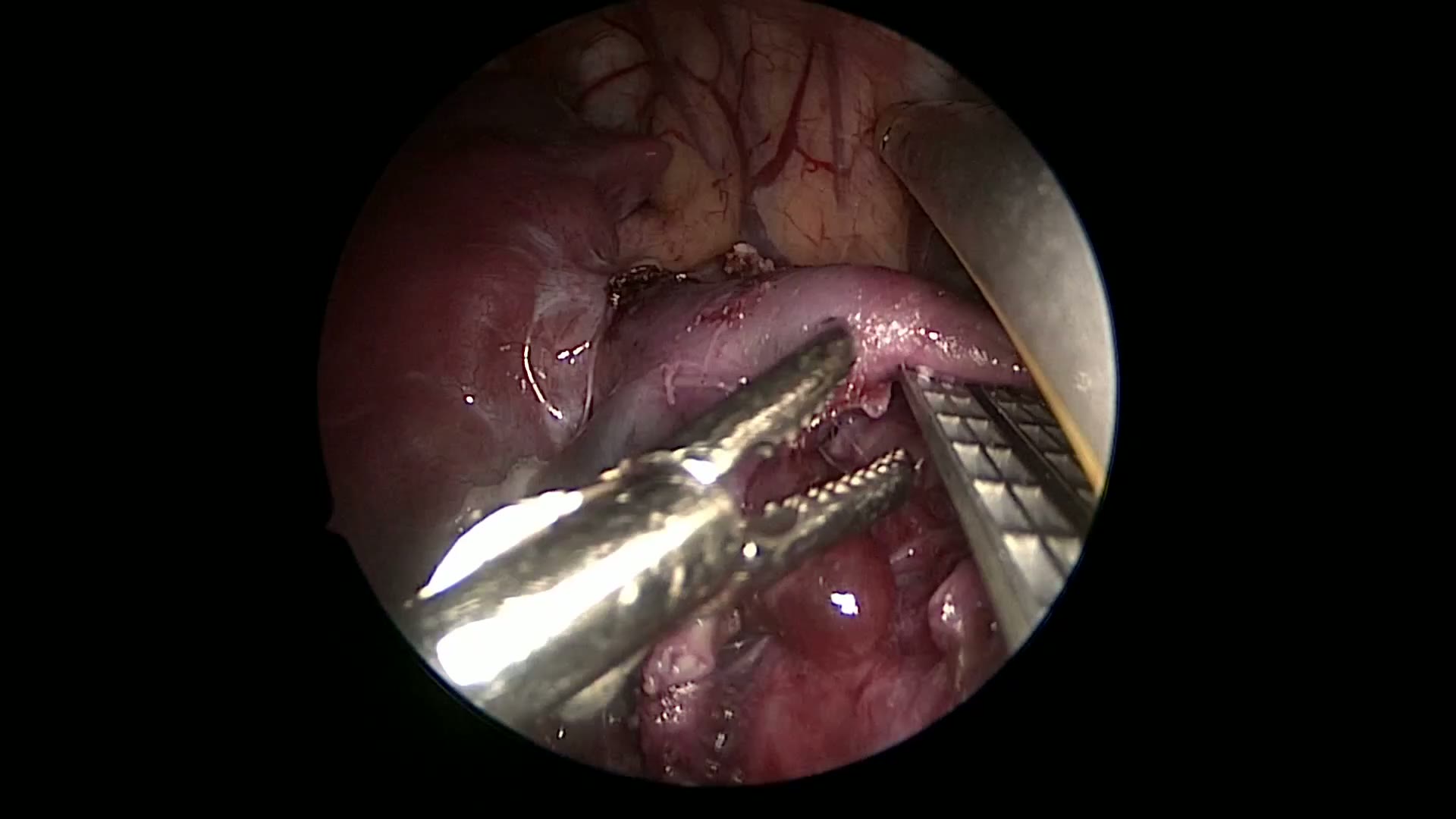
pulm artery LLL
Dr. Steve Rothenberg · 9 s · Published May 2026
Video
plication narrated
Dr. Steve Rothenberg · 6 min · Published May 2026
Video
percuvance redo nissen
Dr. Steve Rothenberg · 5 min · Published May 2026
Video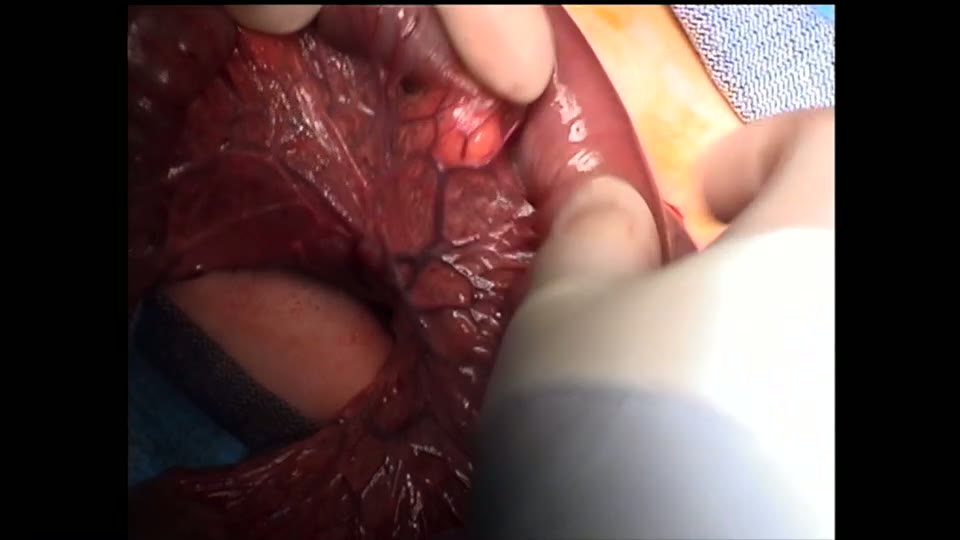
open bowel anast
Dr. Steve Rothenberg · Published May 2026
Video
Intestinal Atresia Types Explained: Grossfeld Classification for Pediatric Surgery
1 min · Published Sep 2026
Video
Derivation and validation of the Pediatric Community-Acquired Pneumonia Severity (PedCAPS) score: A prospective cohort study
50 s · Published Sep 2026
Video
FETO for Late-Diagnosed Severe Congenital Diaphragmatic Hernia (CDH) at Cincinnati Children's with Dr. Beth Rymeski
4 min · Published Sep 2026
Video
Severe Congenital Diaphragmatic Hernia (CDH) Case: FETO Management & Unexpected Findings with Dr. Beth Rymeski
3 min · Published Sep 2026
Video
Fetoscopic Endoluminal Tracheal Occlusion (FETO) Procedure: Step-by-Step Guide with Dr. Beth Rymeski
4 min · Published Sep 2026
Video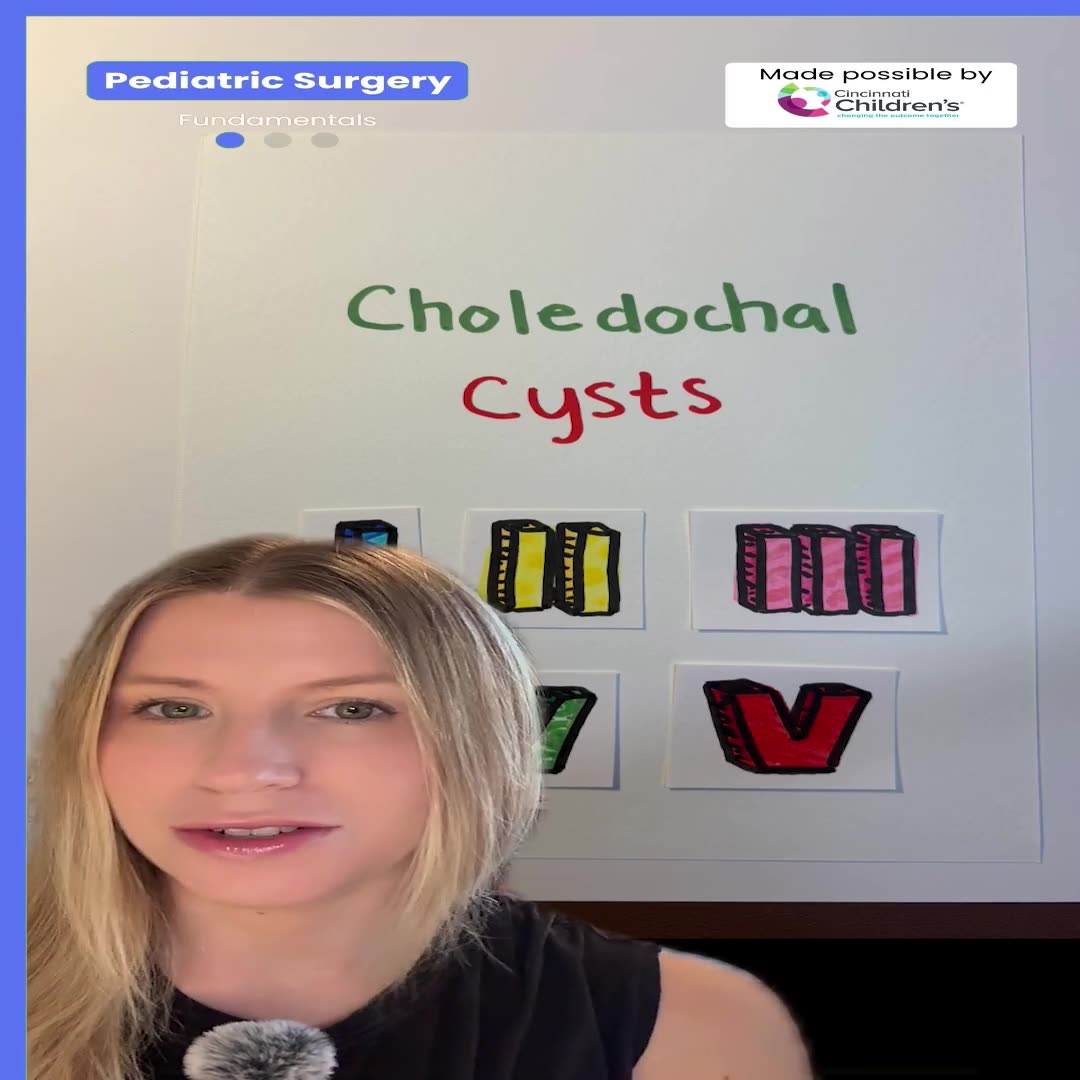
Choledochal Cyst Types Explained: Pediatric Surgery Fundamentals
1 min · Published Sep 2026
What the experts said
Some surgeons choose to leave the azygos vein intact during this portion of the dissection
Leaving the azygos vein intact means the gap is much larger
An endoscopic clip provides atraumatic tissue handling during dissection
Extensive dissection of the upper pouch is performed to achieve adequate length for anastomosis
This case involves a longer gap than is routine for a type 3 fistula
The back wall and corners of the anastomosis are sutured first, using 4 to 5 sutures
The nasogastric or orogastric tube is advanced by the anesthesiologist after the back wall is completed
Three anterior wall sutures are sufficient to complete the anastomosis in this case
Close coordination with the anesthesiologist is extremely important to achieve adequate visualization throughout the procedure