

Educational content from recorded physician discussions — not medical advice. Talk to your (or your child's) care team about your situation.
Video
Appendicitis Management & APPY Trial: Update Course 2016
31 min · Published Oct 2018
Podcast
Journal Club: Appendicitis in 2021
15 min · Published Aug 2021
Video
Quality Improvement Campaign Improved Utilization of Rapid Sequence MRI for Diagnosis of Pediatric Appendicitis
Published Mar 2024
Video
Non-Operative Management of Appendicitis: 2018 Pediatric Surgery Practice Gap #2
Dr. Todd Ponsky · 1 min · Published Jun 2019
Podcast
Top 10 AI Websites and Tools for Medical Research and Education
Ramy Shaaban · 23 min · Published May 2025
Podcast
Biliary Atresia, Appendicitis, Intestinal Failure, and Anesthetic...
44 min · Published May 2017
Video
sealer demo
Dr. Steve Rothenberg · 3 min · Published May 2026
Video
pyloric knife
Dr. Steve Rothenberg · Published May 2026
Video
pulm artery LLL
Dr. Steve Rothenberg · 9 s · Published May 2026
Video
plication narrated
Dr. Steve Rothenberg · 6 min · Published May 2026
Video
percuvance redo nissen
Dr. Steve Rothenberg · 5 min · Published May 2026
Video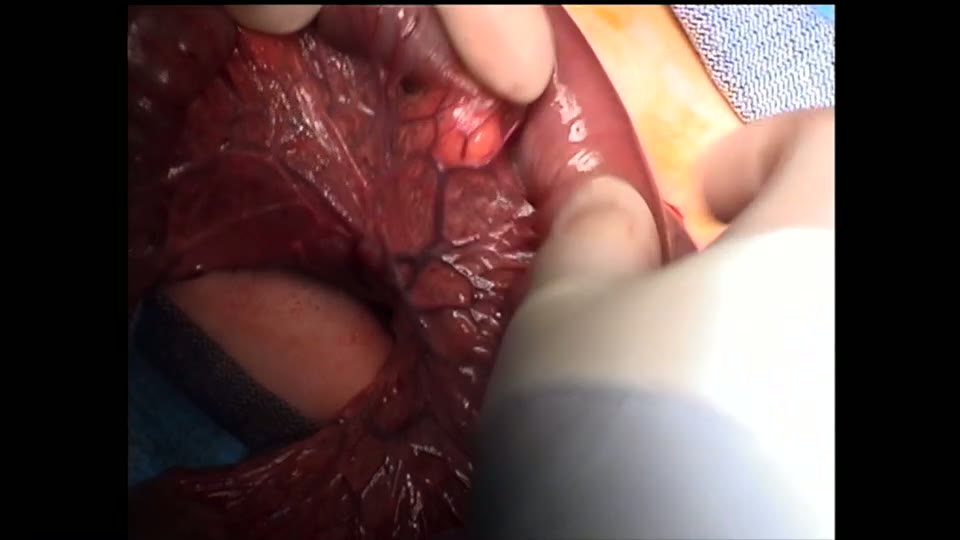
open bowel anast
Dr. Steve Rothenberg · Published May 2026
Video
Intestinal Atresia Types Explained: Grossfeld Classification for Pediatric Surgery
1 min · Published Sep 2026
Video
Derivation and validation of the Pediatric Community-Acquired Pneumonia Severity (PedCAPS) score: A prospective cohort study
50 s · Published Sep 2026
Video
FETO for Late-Diagnosed Severe Congenital Diaphragmatic Hernia (CDH) at Cincinnati Children's with Dr. Beth Rymeski
4 min · Published Sep 2026
Video
Severe Congenital Diaphragmatic Hernia (CDH) Case: FETO Management & Unexpected Findings with Dr. Beth Rymeski
3 min · Published Sep 2026
Video
Fetoscopic Endoluminal Tracheal Occlusion (FETO) Procedure: Step-by-Step Guide with Dr. Beth Rymeski
4 min · Published Sep 2026
Video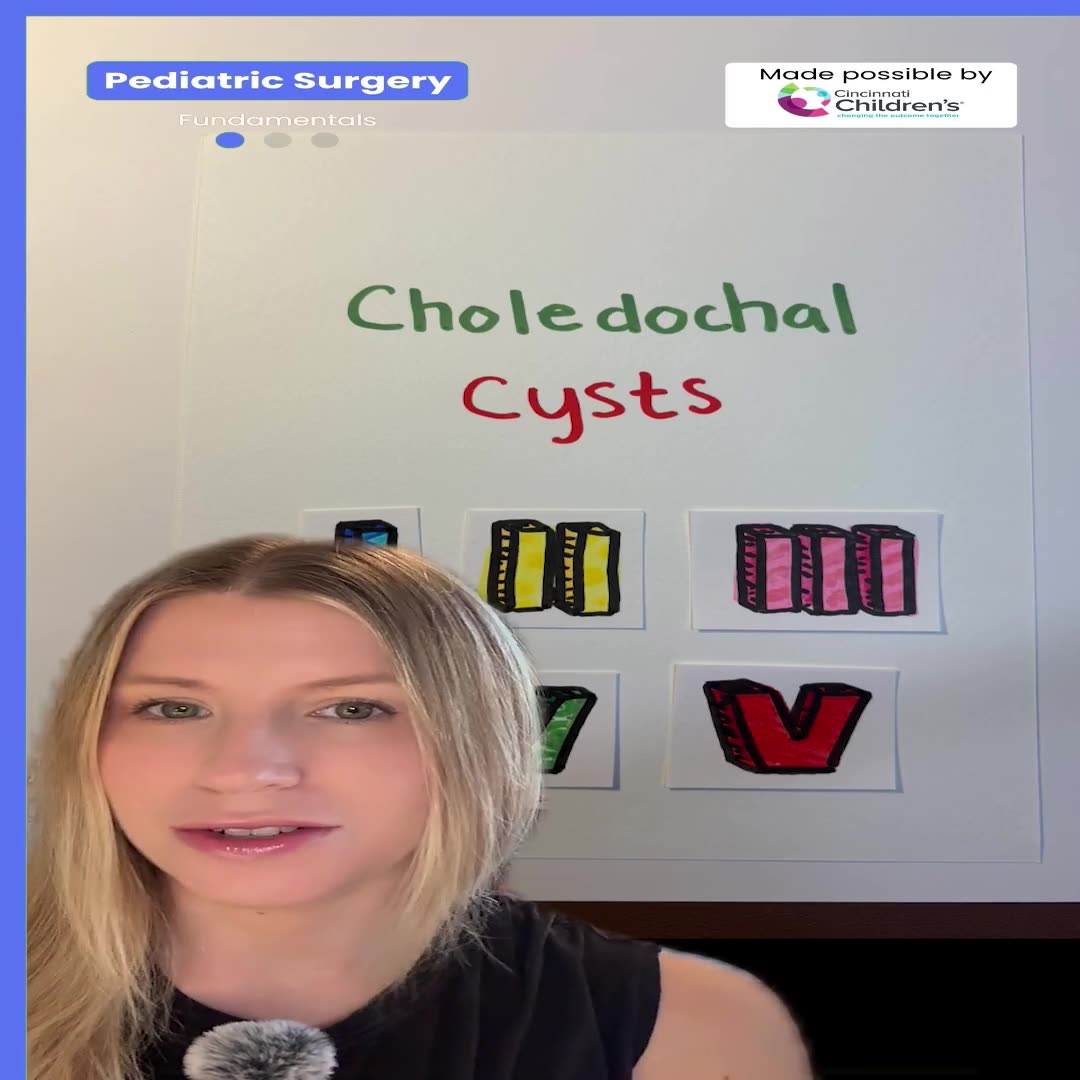
Choledochal Cyst Types Explained: Pediatric Surgery Fundamentals
1 min · Published Sep 2026
What the experts said
This modification of single site appendectomy allows for 90 degree retraction using two umbilical ports (either 2.5 mm or 2 mm and 4 mm) through a 10 mm incision and a single 3 mm port in the suprapubic area below the bikini line.
The small suprapubic incision results in an almost scarless defect.
A 4 mm 30 degree lens is used for the procedure and the Maryland dissector has almost complete range of motion without conflict with the scope.
A 5 mm hook is generally adequate to take the appendiceal mesentery in almost all cases.
The mesentery is addressed near the base of the appendix to prevent excess cauterization and re-cauterizing the appendiceal artery numerous times.
This procedure took just 10 minutes and the video is relatively unedited.
The base of the appendix is compressed to ensure there is no fecolith at the base and that the tissue is adequately compressible to allow for use of the 5 mm stapler.
It is important to apply the 5 mm stapler and allow it to compress for a full 10 seconds prior to firing to allow the 2 mm staplers to adequately get through the tissue and provide a safe seal.
The 5 mm endoscopic specimen bag does not fit through a true 5 mm port.
The 5 and 4 mm trocar sites are connected to remove the specimen through the umbilical site.
At 2 weeks postoperatively, the scars are almost scarless.