

From
StayCurrentMD
Surgical and Catheter-Based Intervention in Pediatric Pulmonary Vein Stenosis
hosted by Dr. Lizzie Lee
Educational content from recorded physician discussions — not medical advice. Talk to your (or your child's) care team about your situation.
Video
Intestinal Atresia Types Explained: Grossfeld Classification for Pediatric Surgery
1 min · Published Sep 2026
Video
Derivation and validation of the Pediatric Community-Acquired Pneumonia Severity (PedCAPS) score: A prospective cohort study
50 s · Published Sep 2026
Video
FETO for Late-Diagnosed Severe Congenital Diaphragmatic Hernia (CDH) at Cincinnati Children's with Dr. Beth Rymeski
4 min · Published Sep 2026
Video
Severe Congenital Diaphragmatic Hernia (CDH) Case: FETO Management & Unexpected Findings with Dr. Beth Rymeski
3 min · Published Sep 2026
Video
Fetoscopic Endoluminal Tracheal Occlusion (FETO) Procedure: Step-by-Step Guide with Dr. Beth Rymeski
4 min · Published Sep 2026
Video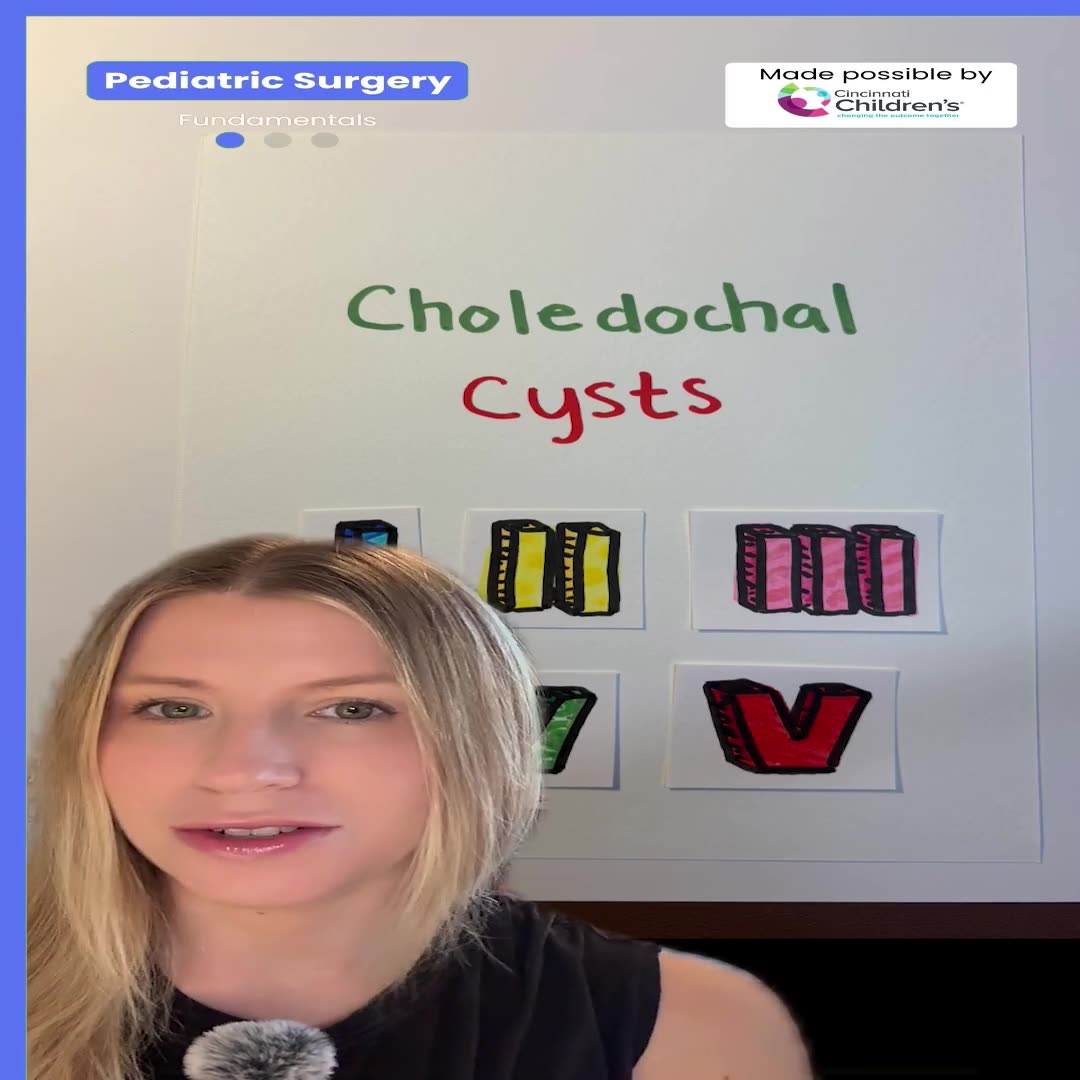
Choledochal Cyst Types Explained: Pediatric Surgery Fundamentals
1 min · Published Sep 2026
What the experts said
Pulmonary vein stenosis is a rare but serious condition where the veins from the lungs to the heart become narrowed
A study from Cincinnati Children's examined 56 children comparing surgery versus catheter-based interventions for pulmonary vein stenosis
Over time, catheter-based treatments became the preferred first option for pulmonary vein stenosis
Surgery was reserved for complex cases involving multiple severely affected veins or other heart defects
92% of children with pulmonary vein stenosis needed another intervention after initial treatment
Most reinterventions for pulmonary vein stenosis occurred within the first year after initial treatment
Recurrence of pulmonary vein stenosis remained common regardless of the initial intervention type
Pulmonary vein stenosis requires ongoing surveillance, repeated interventions, and a long-term multidisciplinary approach