

Educational content from recorded physician discussions — not medical advice. Talk to your (or your child's) care team about your situation.
Video
Wilms Tumor Protocol Violations: 2018 Pediatric Surgery Practice Gap #3
Dr. Todd Ponsky · Published Jun 2019
Video
Wilms Tumor Protocol Violations: Practice Gap discussion at Update Course 2018
9 min · Published Aug 2018
Video
Error Traps and Culture of Safety in Pediatric Surgical Oncology
CCHMC Pediatric Surgery · Published Sep 2019
Video
2025 Pediatric Surgery Update Course - Updates in Oncology
21 min · Published Aug 2025
Video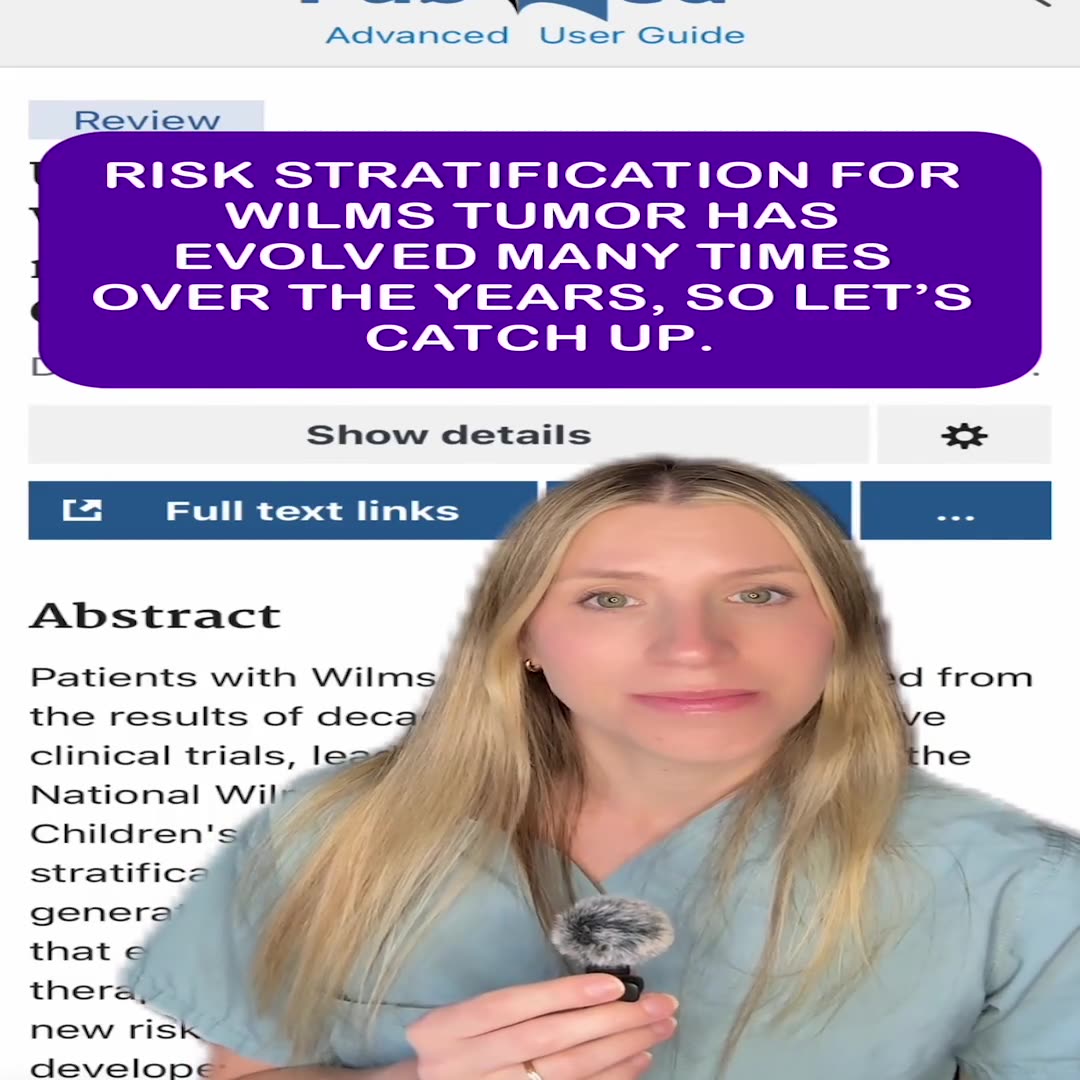
Updated Favorable histology Wilms tumor risk stratification: Rationale for future Children’s Oncology Group clinical trials
53 s · Published Apr 2026
Video
Journal Club: Review of 2018 Pediatric Surgery Practice Gaps
Dr. Todd Ponsky · Published Jul 2019
Video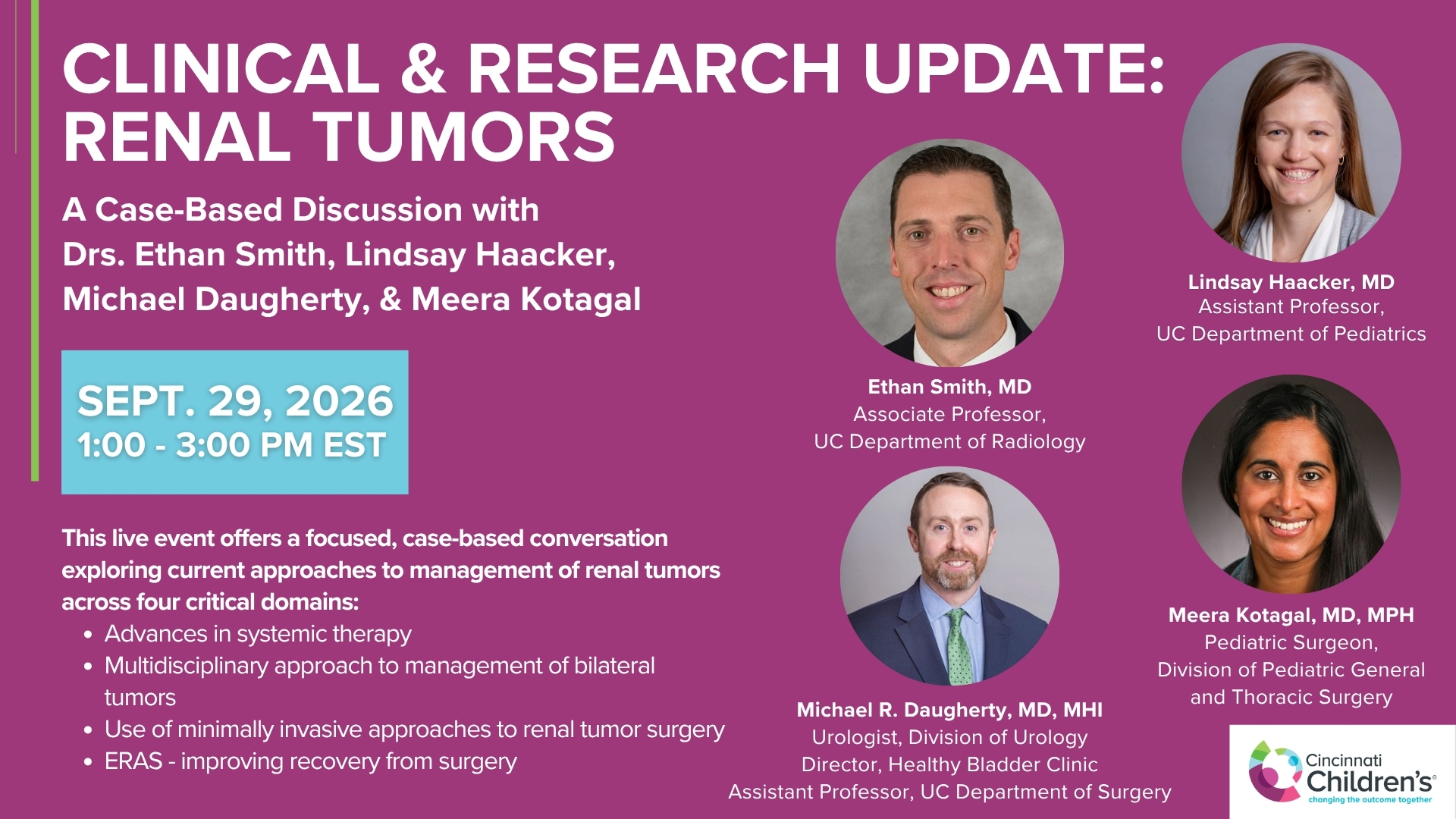
Clinical & Research Update: Renal Tumors with Drs. Ethan Smith, Lindsay Haacker, Michael Daugherty, and Meera Kotagal
71 min · Published Sep 2026
Video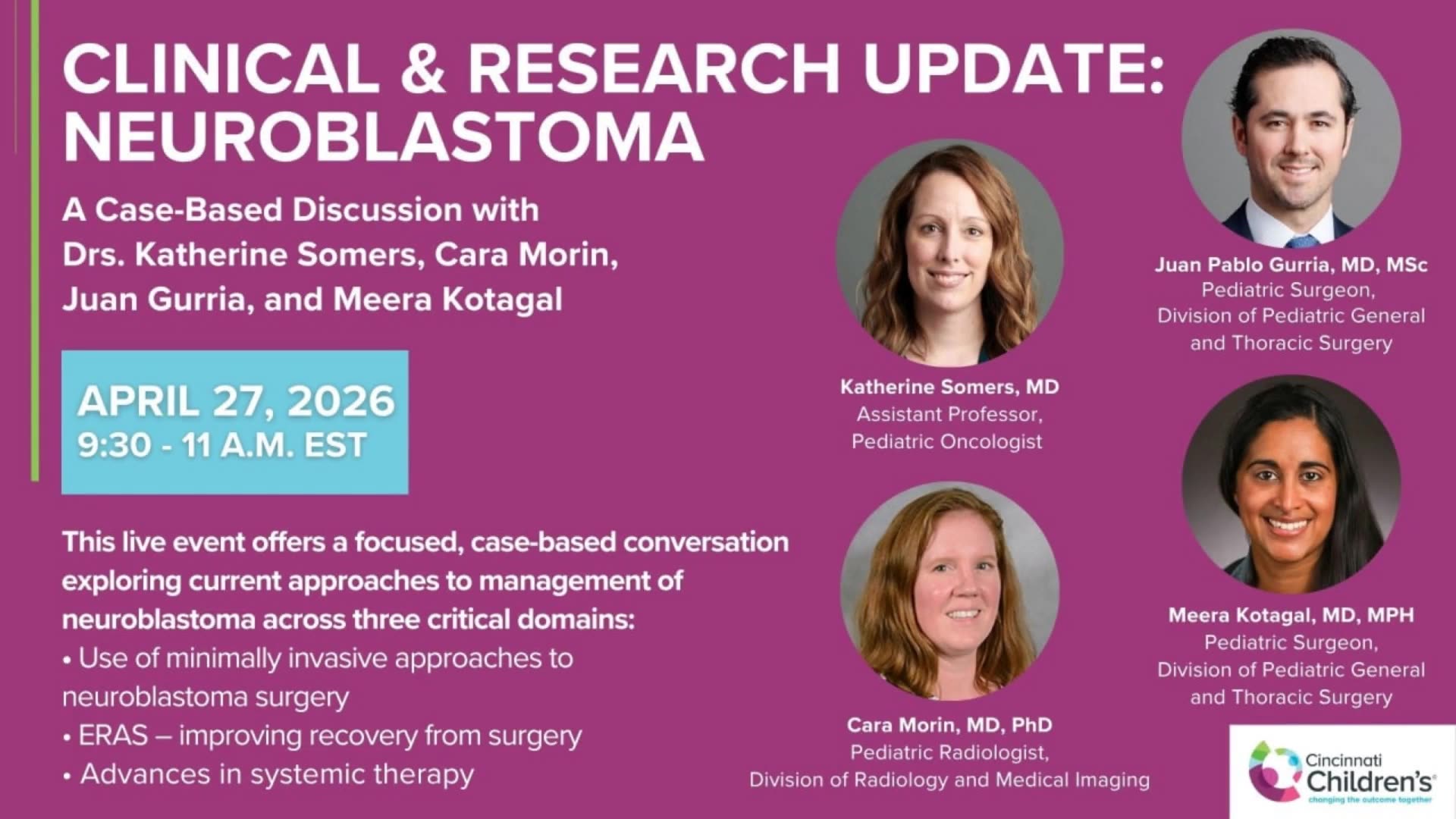
Clinical & Research Update: Neuroblastoma with Drs. Katherine Somers, Cara Morin, Juan Gurria, and Meera Kotagal
67 min · Published Sep 2026
Video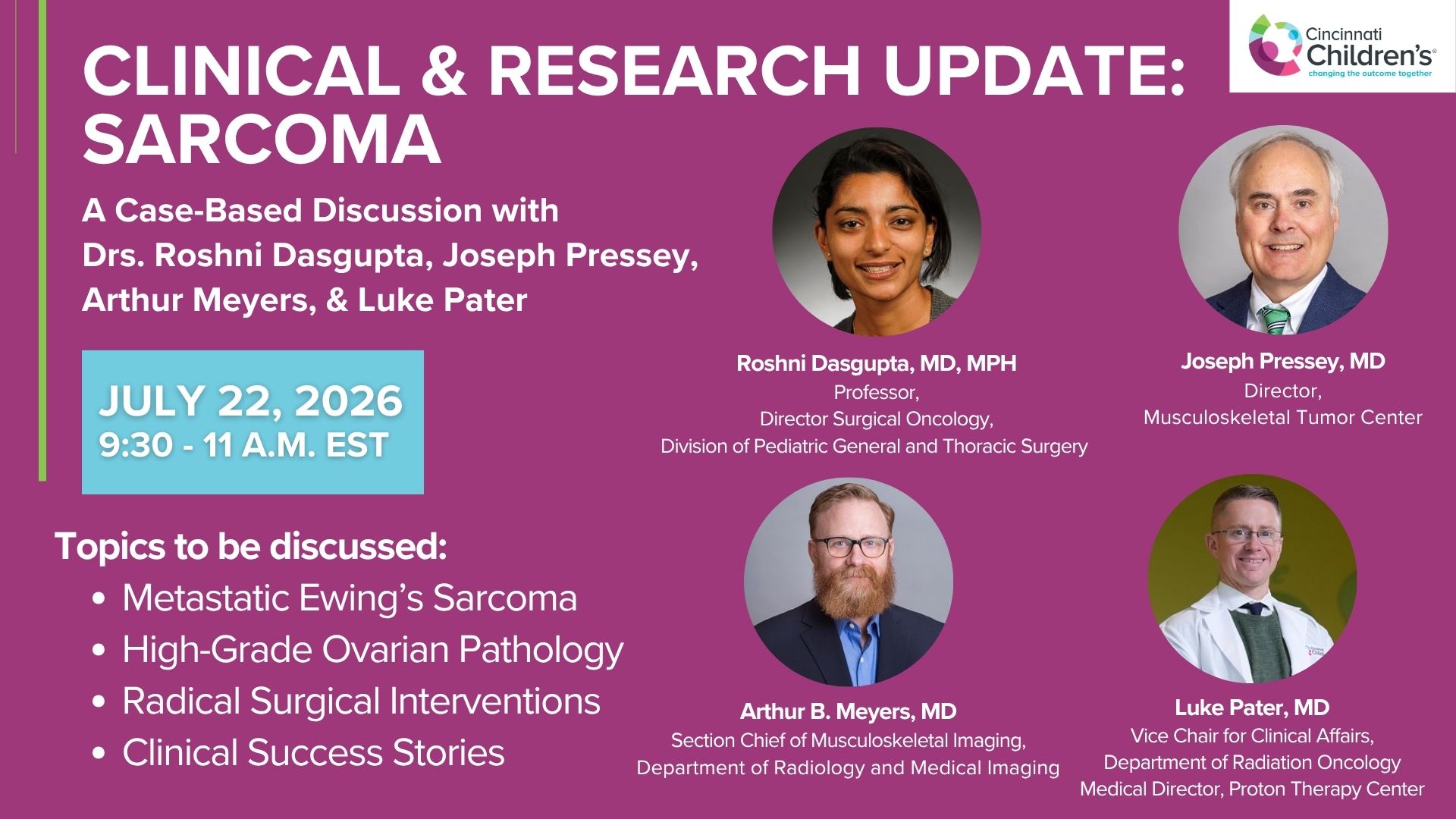
Clinical & Research Update: Sarcoma w/ Drs. Roshni Dasgupta, Joseph Pressey, Arthur Meyer, Luke Pater
66 min · Published Sep 2026
Video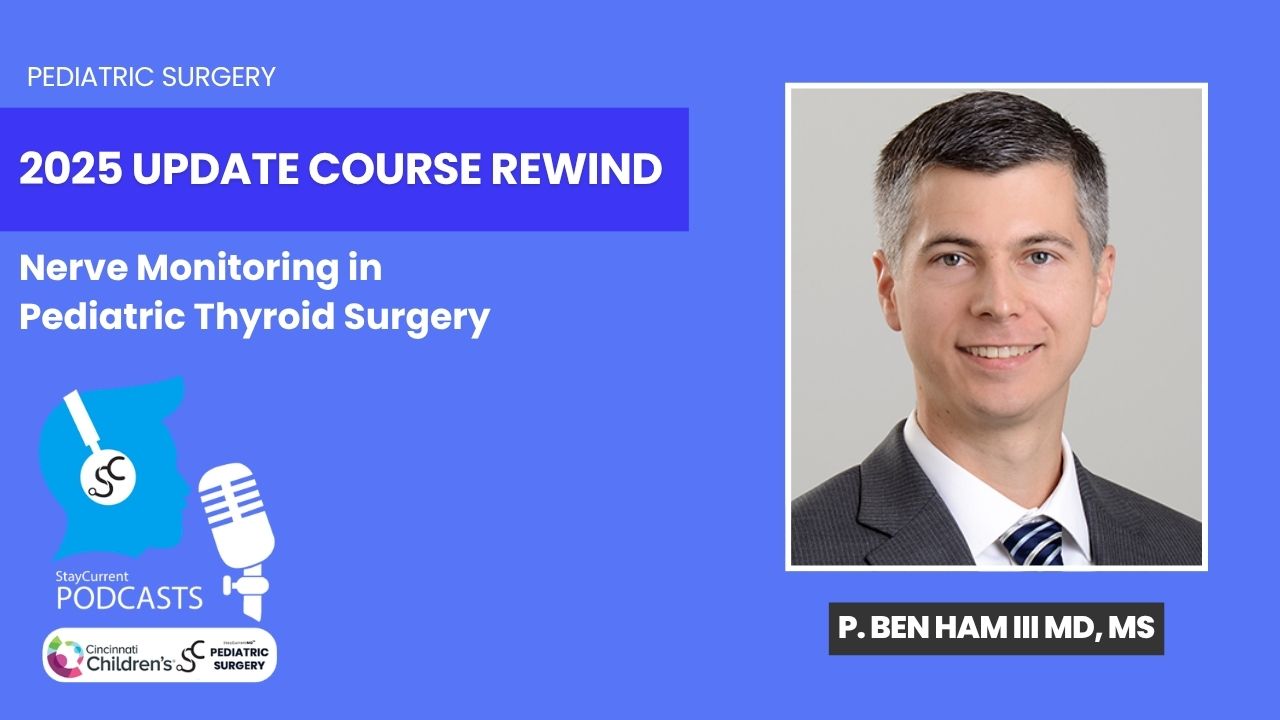
Update Course Rewind 2025: Nerve Monitoring in Pediatric Thyroid Surgery
6 min · Published Jul 2026
Video
Journal of Pediatric Surgery Article Review: June 2023, AAP Issue
Todd Ponsky · 13 min · Published Jul 2026
Video
Pediatric Surgical Oncology Research Collaborative (PSORC): Studying Rare Pediatric Tumors
56 s · Published May 2026
Video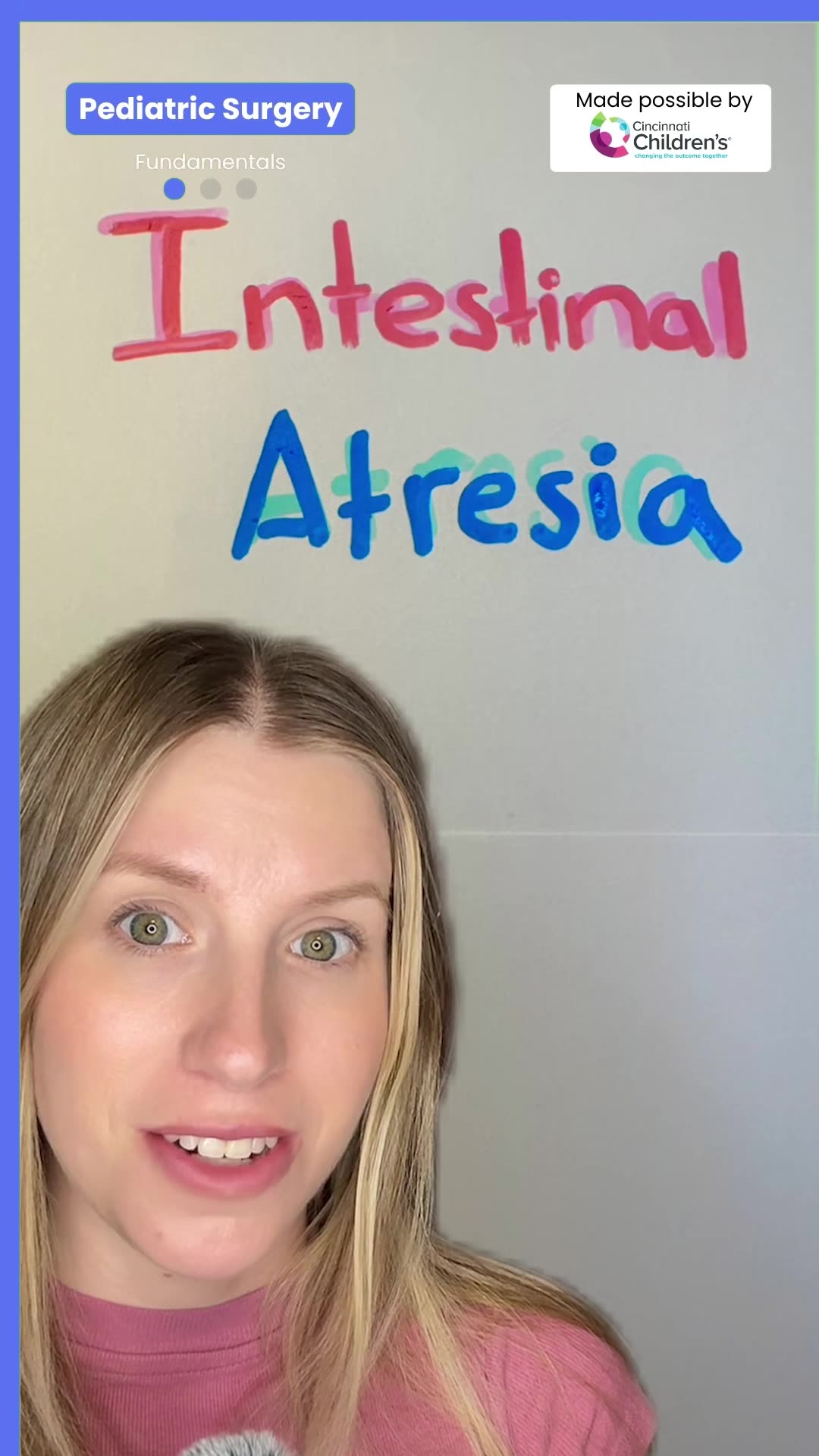
Intestinal Atresia Types Explained: Grossfeld Classification for Pediatric Surgery
1 min · Published Sep 2026
Video
Derivation and validation of the Pediatric Community-Acquired Pneumonia Severity (PedCAPS) score: A prospective cohort study
50 s · Published Sep 2026
Video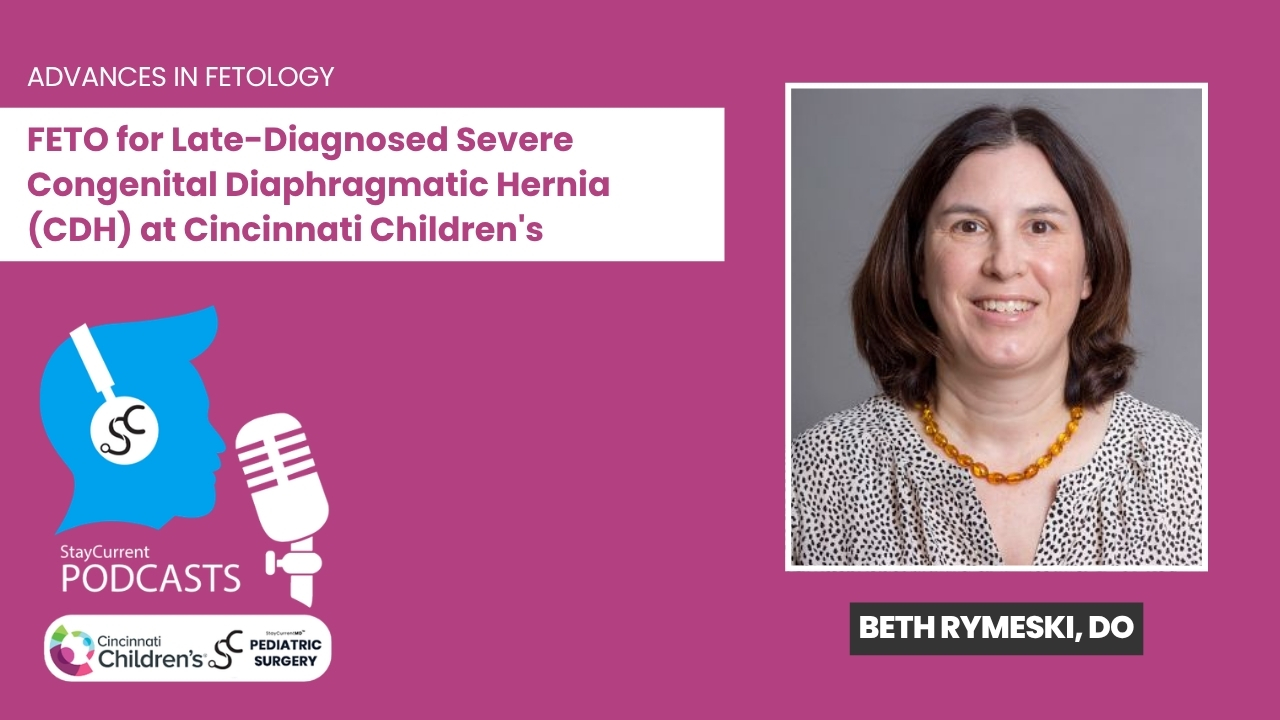
FETO for Late-Diagnosed Severe Congenital Diaphragmatic Hernia (CDH) at Cincinnati Children's with Dr. Beth Rymeski
4 min · Published Sep 2026
Video
Severe Congenital Diaphragmatic Hernia (CDH) Case: FETO Management & Unexpected Findings with Dr. Beth Rymeski
3 min · Published Sep 2026
Video
Fetoscopic Endoluminal Tracheal Occlusion (FETO) Procedure: Step-by-Step Guide with Dr. Beth Rymeski
4 min · Published Sep 2026
Video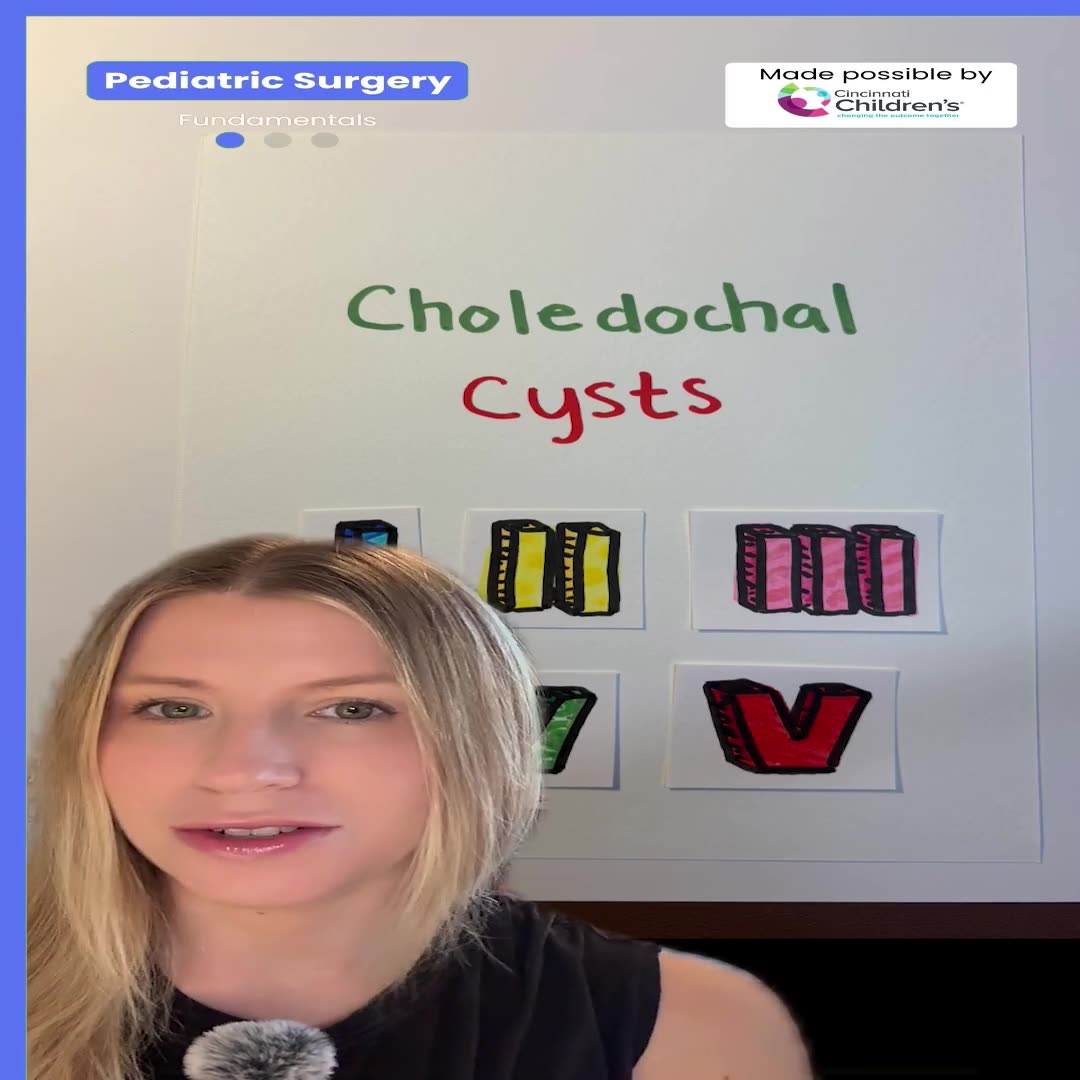
Choledochal Cyst Types Explained: Pediatric Surgery Fundamentals
1 min · Published Sep 2026
What the experts said
Upfront resection was indicated for this localized Wilms tumor in an effort to minimize adjuvant therapy
Preferred incision for nephrectomy is bilateral subcostal, though others may use midline or thoracoabdominal for very large tumors
Care must be taken not to violate the surface of the tumor during dissection
Initial dissection and tumor mobilization is preferably performed laterally rather than starting medially to control vessels early, since occasionally the wrong vessels may be divided
Lateral and posterior dissection planes are generally avascular with only small vessels present which can be controlled easily
Even large Wilms tumors typically only push away adjacent organs but rarely invade them
The adrenal gland does not always need to be taken with the nephrectomy specimen if it appears to be uninvolved with tumor
Despite preoperative imaging that doesn't identify an intravascular tumor thrombus, the vein should be palpated to be sure that no tumor exists within the vein
Some surgeons prefer to take the artery first to avoid congestion of the kidney and tumor, but this has not been found to be a concern since the two vessels can be taken in rapid succession
The artery which generally courses behind the vein is easier to access once the vein has been divided
By saving vessel ligation until the end of the dissection and mobilization of the kidney tumor, there is greater reassurance that they are the correct vessels to take
Periaortic lymph nodes are sampled to ensure appropriate staging of the patient regardless of whether they appear to be pathologically involved or not
This particular tumor weighed almost 2000 grams