

Educational content from recorded physician discussions — not medical advice. Talk to your (or your child's) care team about your situation.
Video
APSA - Effect of transanastomotic feeding tubes on anastomotic strictures in patients with esophageal atresia and tracheoesophageal fistula- the Quebec experience - Kathryn LaRusso
8 min · Published May 2022
Video
QUAD #2 Thoracoscopic Tracheopexy with Dr. Aaron Garrison
CCHMC Pediatric Surgery · 7 min · Published Jan 2024
Video
Esophageal Atresia/Tracheoesophageal Fistula Bronchoscopy and Surgical Technique
Dr. Todd Ponsky · 16 min · Published Nov 2021
Video
Thoracoscopic TEF Repair, Is It Really Better Than Open? Update Course 2018
18 min · Published Aug 2018
Video
QUAD #10 Pt.3: Advantages of Thoracoscopic Repair of Esophageal Atresia with Dr. Steve Rothenberg
Dr. Steve Rothenberg · Published Jun 2024
Video
Posterior Tracheopexy For Severe Tracheomalacia
Dr. Todd Ponsky · 2 min · Published Feb 2018
Only a few other public items share this expert — go deeper there →
Video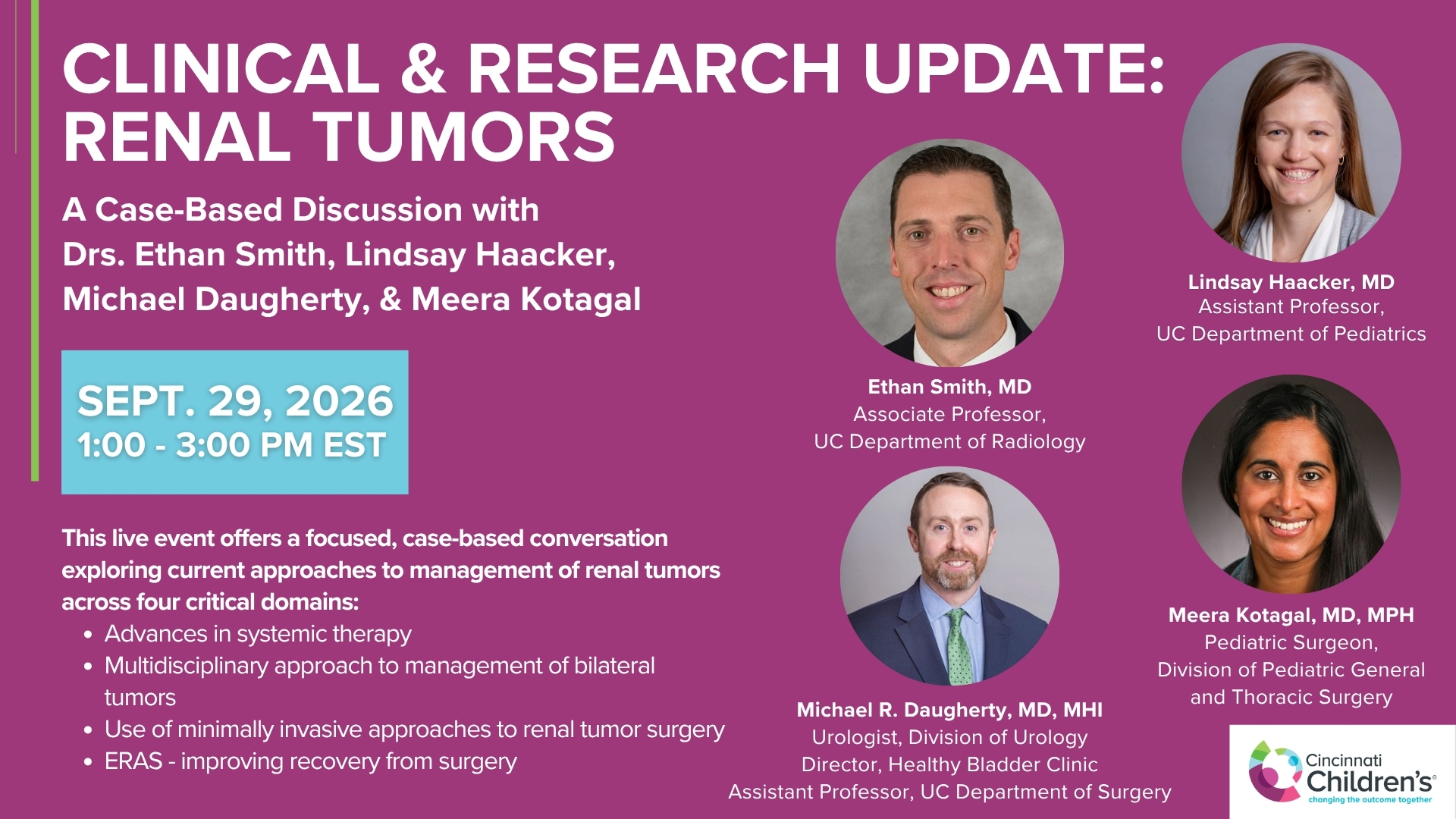
Clinical & Research Update: Renal Tumors with Drs. Ethan Smith, Lindsay Haacker, Michael Daugherty, and Meera Kotagal
71 min · Published Sep 2026
Video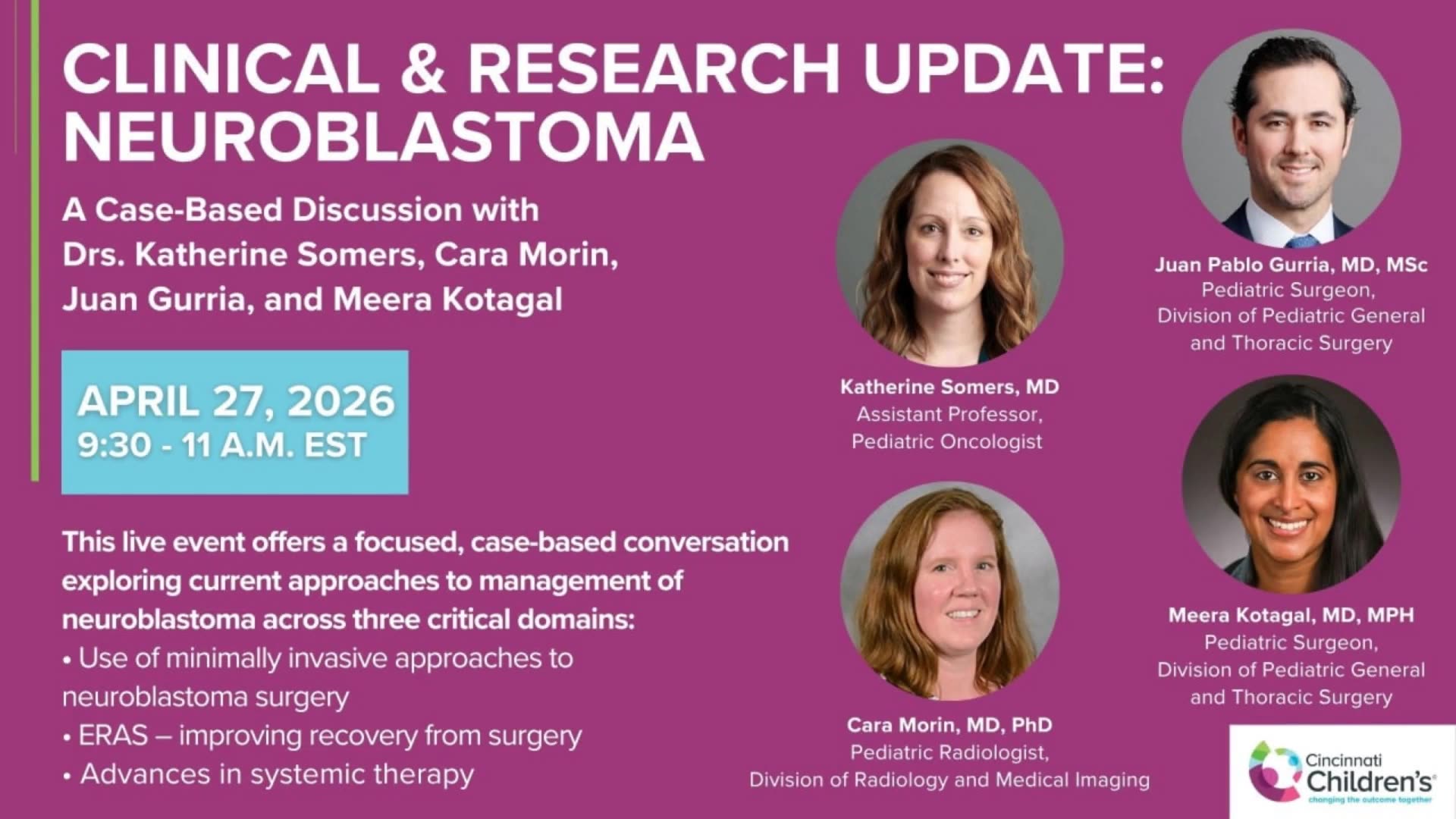
Clinical & Research Update: Neuroblastoma with Drs. Katherine Somers, Cara Morin, Juan Gurria, and Meera Kotagal
67 min · Published Sep 2026
Video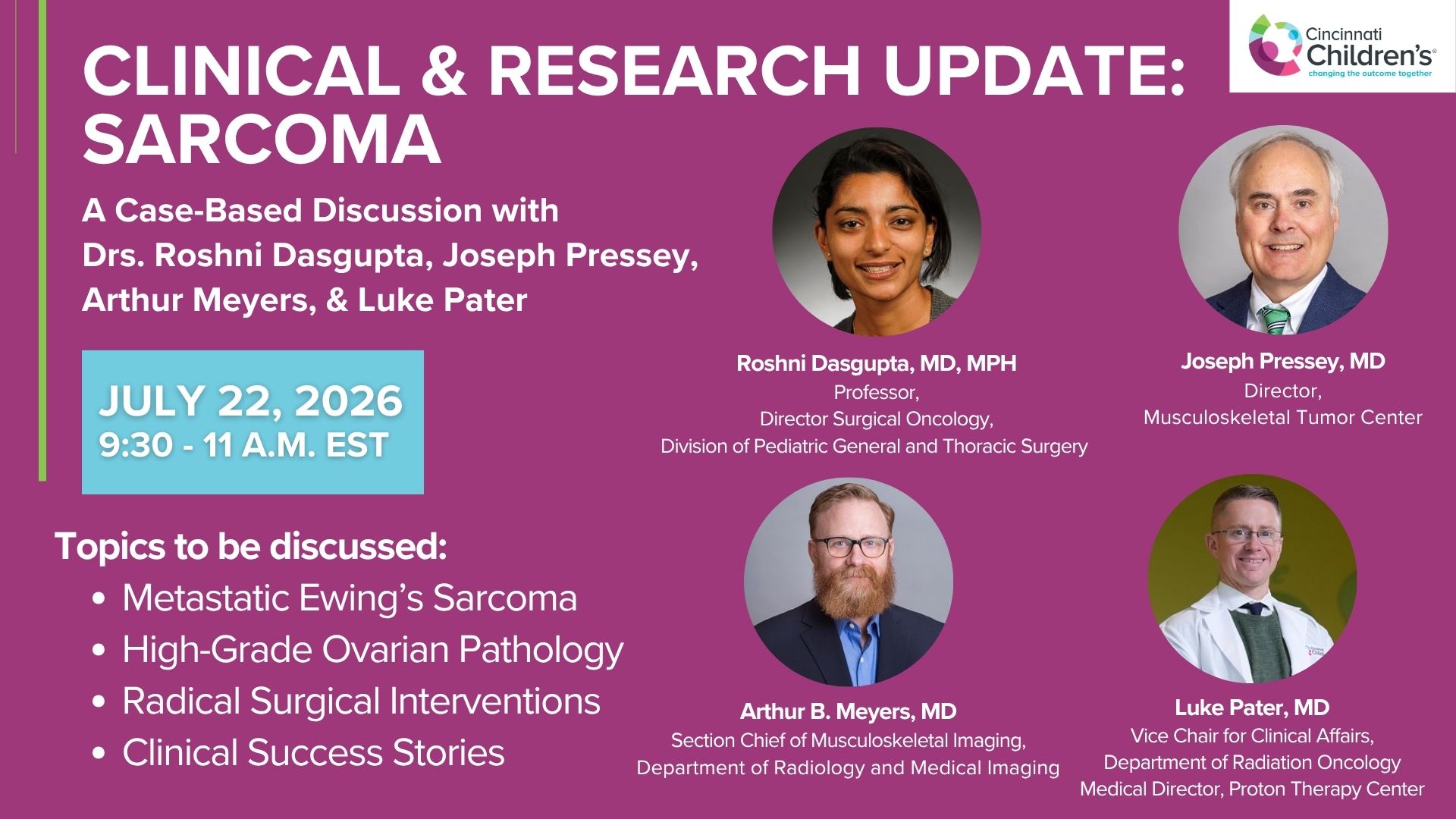
Clinical & Research Update: Sarcoma w/ Drs. Roshni Dasgupta, Joseph Pressey, Arthur Meyer, Luke Pater
66 min · Published Sep 2026
Video
2026 Laparoscopic Pediatric Hernia Repair
123 min · Published Jun 2026
Video
Beyond the Spectrum: Diagnosis, Myths & Management - Caitlin Couch & Leslie Lopez - APP Conference 2026
50 min · Published May 2026
Video
Dysautonomia: Navigating the Journey - Martha Willis - APP Conference 2026
55 min · Published May 2026
What the experts said
The study included EA patients diagnosed with moderate to severe tracheomalacia by immediate preoperative rigid bronchoscopy.
Tracheomalacia assessment was performed in two phases of breathing: spontaneous breathing and while applying a Valsalva maneuver or applying negative pressure.
Bronchoscopic assessment included vocal cords, subglottic area, position of the trachea, posterior membrane ratio to whole circumference, cartilage shape, and tracheal collapse.
24 patients met inclusion criteria during the study period (2019-2022).
The procedure was completed in 22 of 24 patients.
Mean operative time was 118 minutes and mean aortopexy time was 15 minutes.
17 patients were discharged alive with a median postoperative hospital stay of 9 days.
Six patients developed anastomotic leak.
Seven patients died in the early postoperative period.
17 patients were followed up with a mean follow-up period of 26 months.
Seven patients developed symptoms in the form of cough, choking, and difficulty swallowing during follow-up.
Symptoms were analyzed by esophagogram and bronchoscopy as needed.
Five patients had symptoms due to anastomotic stricture and improved after dilatation.
Two patients had symptoms due to development of recurrent tracheomalacia, which was still present in one of these patients.
The remaining patients (after excluding those with stricture or recurrent tracheomalacia) were considered to have successful aortopexy.
The main limitations of this study are the small number of patients and the short follow-up period.
Attention given to tracheomalacia by surgeons may improve quality of life in EA patients.
Preoperative determination of the need for aortopexy may alleviate chronic respiratory conditions and decrease the risk of future surgical intervention.
Up to one-third of EA patients were historically believed to have tracheomalacia.
Recent reports suggest tracheomalacia could be encountered in up to 80% of EA patients.