

From
Live Event Content
BOB Ped Surg 2023 - Rachel Livergant, WOFAPS - Presentation
With Dr. Rachel Livergant
Educational content from recorded physician discussions — not medical advice. Talk to your (or your child's) care team about your situation.
Video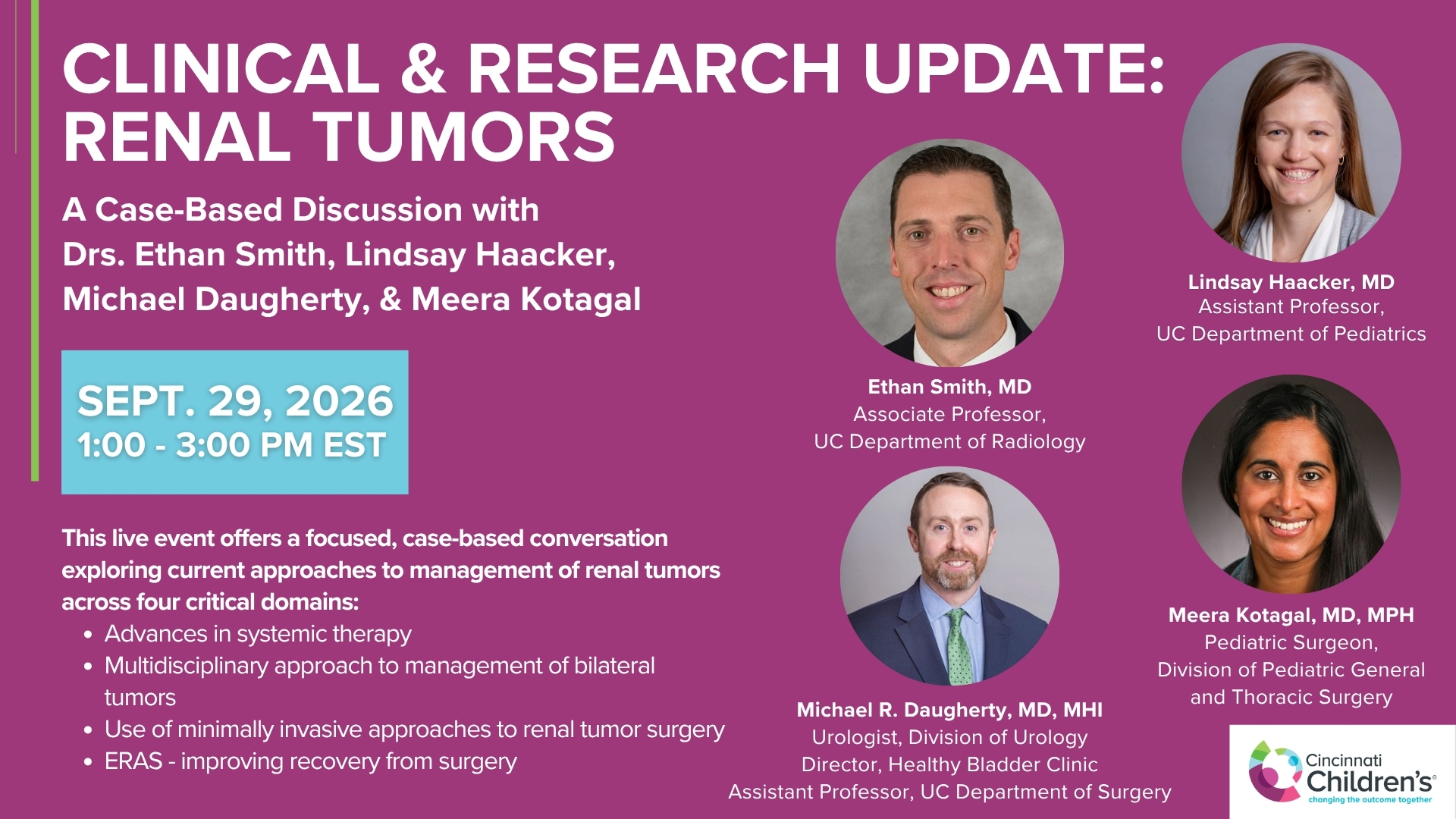
Clinical & Research Update: Renal Tumors with Drs. Ethan Smith, Lindsay Haacker, Michael Daugherty, and Meera Kotagal
71 min · Published Sep 2026
Video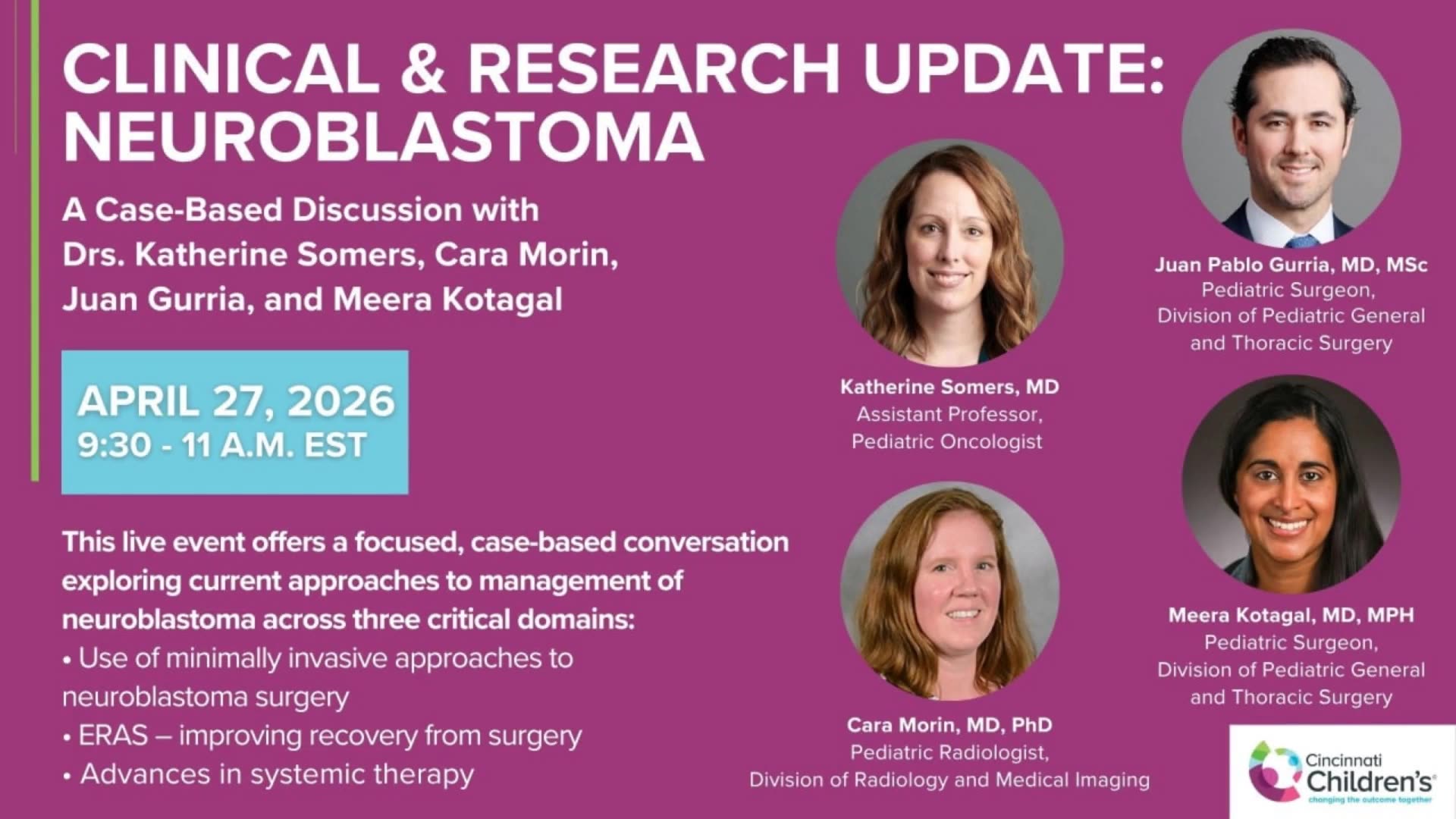
Clinical & Research Update: Neuroblastoma with Drs. Katherine Somers, Cara Morin, Juan Gurria, and Meera Kotagal
67 min · Published Sep 2026
Video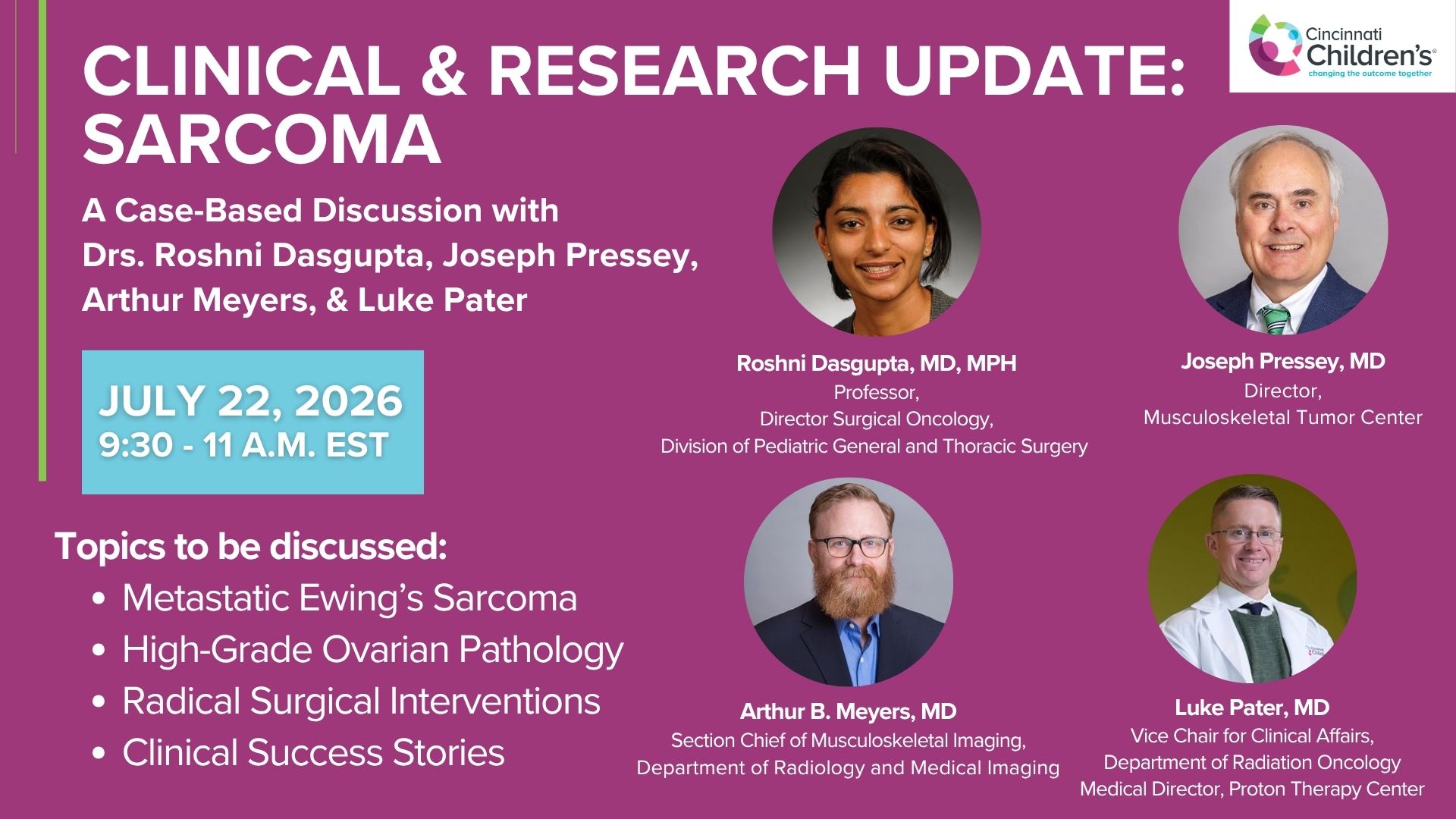
Clinical & Research Update: Sarcoma w/ Drs. Roshni Dasgupta, Joseph Pressey, Arthur Meyer, Luke Pater
66 min · Published Sep 2026
Video
2026 Laparoscopic Pediatric Hernia Repair
123 min · Published Jun 2026
Video
Beyond the Spectrum: Diagnosis, Myths & Management - Caitlin Couch & Leslie Lopez - APP Conference 2026
50 min · Published May 2026
Video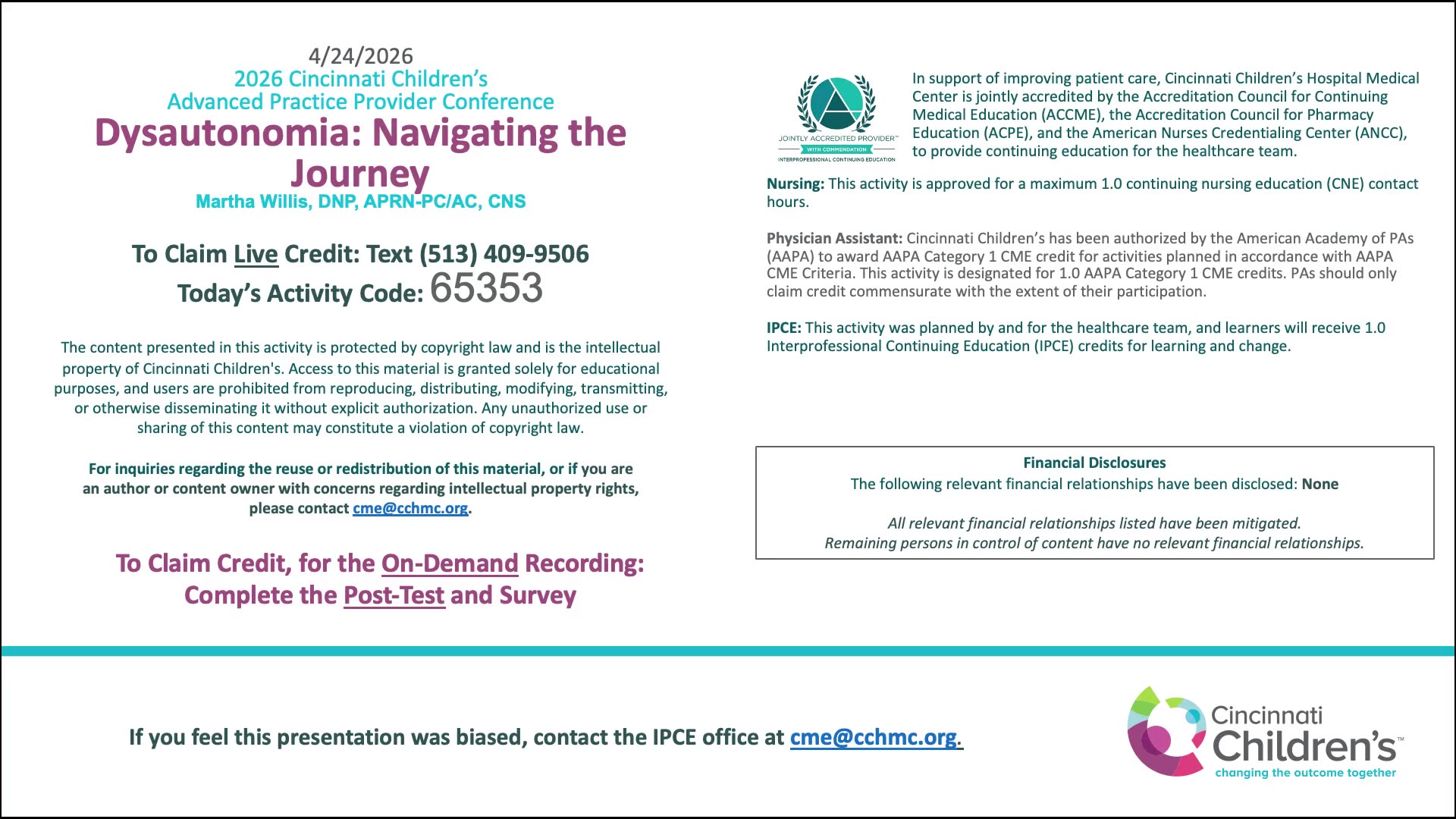
Dysautonomia: Navigating the Journey - Martha Willis - APP Conference 2026
55 min · Published May 2026
What the experts said
Surgical conditions account for over 33% of the global burden of disease.
Indigenous children and adolescents living in settler-governed countries face some of the largest health inequities worldwide.
Current data on postoperative outcomes following surgery in pediatric indigenous patients remains limited and of poor quality.
A total of 16 studies met inclusion criteria, of which 14 were included in the final meta-analysis.
All 14 included studies were retrospective studies, with eight being retrospective cross-sectional studies.
Seven studies were based in Oceania, seven in North America, and none were based in South America.
Six pediatric surgical specialties were included: general surgery, urology, neurosurgery, ENT, cardiac surgery, and ophthalmology.
No significant difference was observed in postoperative morbidity between indigenous and non-indigenous pediatric patients overall.
Postoperative morbidity remained non-significant when segregated by either geographic location or type of postoperative complication.
In one study examining long-term graft survival following renal transplantation, indigenous children had a three times higher risk of renal graft failure compared to non-indigenous children in Canada.
Overall mortality was significantly higher for indigenous patients with an OR of 2.06.
30-day mortality was significantly increased with an OR of 2.23.
Indigenous children in North America had greater than three times higher odds of postoperative mortality.
Indigenous children from Oceania did not have a significant increase in surgical mortality.
In one study examining five-year surgical survival, indigenous children in Canada had two times lower survival than their non-indigenous counterparts following renal transplantation.
In a study comparing post-liver transplantation survival for Aboriginal and Torres Strait Islander children, there was no significant difference in 1 through 15 year survival between the two groups.
Indigenous patients had a non-significant increase in hospital readmissions postoperatively.
Indigenous patients had increased average hospital length of stay.
There was no significant difference in reoperation rates between indigenous and non-indigenous patients.
One study noted that Maori and Pacific Islander children received significantly less reoperations following failed strabismus repairs compared to non-indigenous children.
Twelve out of 14 studies were high risk of bias and low quality, while two studies were low risk of bias and good quality.
The low quality of studies was mainly attributed to failure to control for significant differences such as age, pre-existing comorbidities, and/or sex in their analysis.