

From
StayCurrentMD
Congenital Cystic Lung Lesions: Update Course 2014
With Dr. Steven Rothenberg · hosted by Dr. Todd Ponsky
Educational content from recorded physician discussions — not medical advice. Talk to your (or your child's) care team about your situation.
Video
Quick Literature Updates Episode 18
4 min · Published Mar 2025
Podcast
Journal of Pediatric Surgery Article Review: October 2023
12 min · Published Apr 2024
Video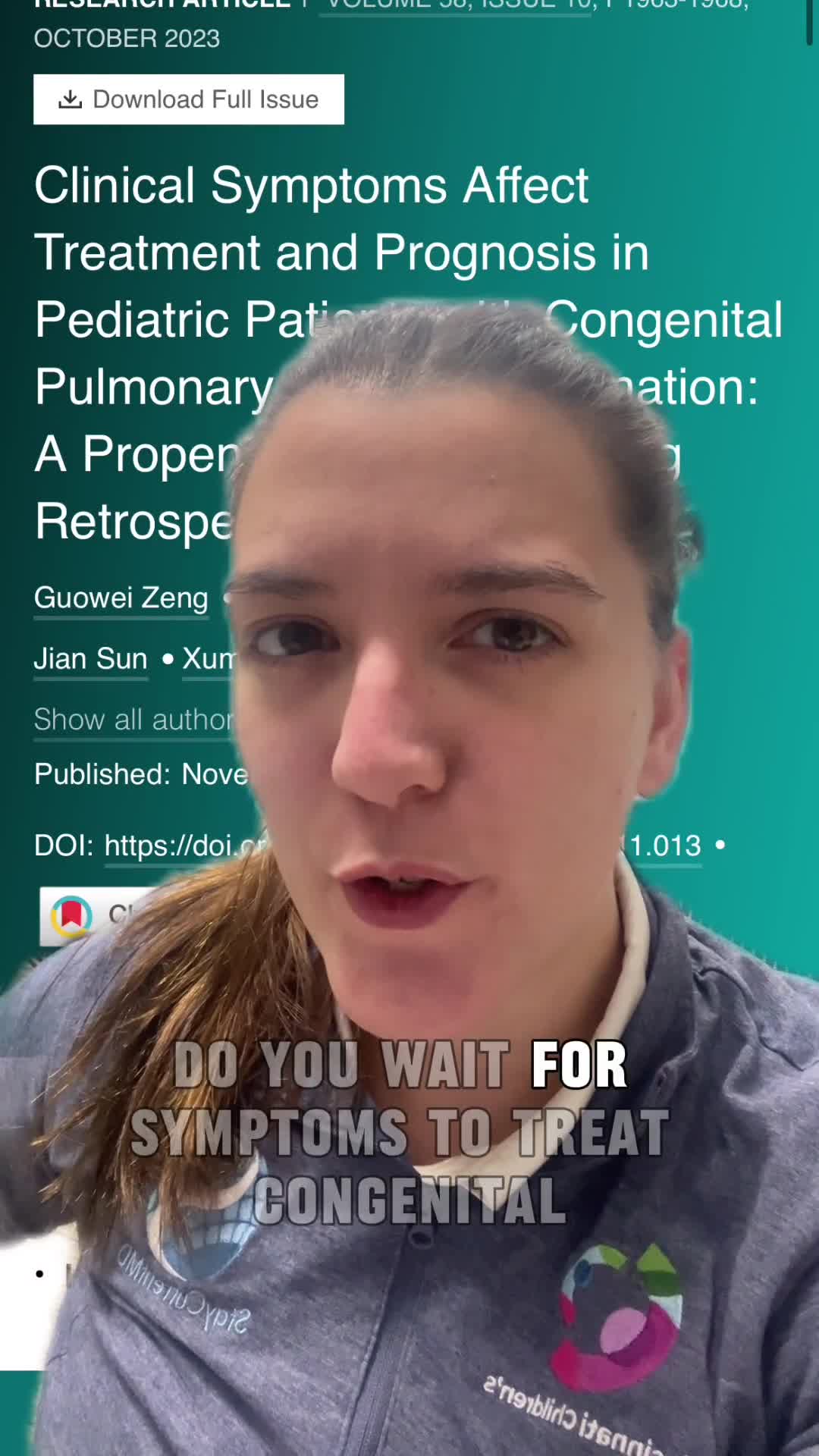
Clinical Symptoms Affect Treatment and Prognosis in Pediatric Patients with Congenital Pulmonary Airway Malformation
55 s · Published Dec 2023
Video
Update Course Rewind: Congenital Lung Lesions 2022
4 min · Published Aug 2023
Video
Update Course 2022 - APSA PDC UPDATES - Mary Edwards, Paul Jeziorczak, Craig Lillehei, and Charles Snyder,
64 min · Published Sep 2022
Podcast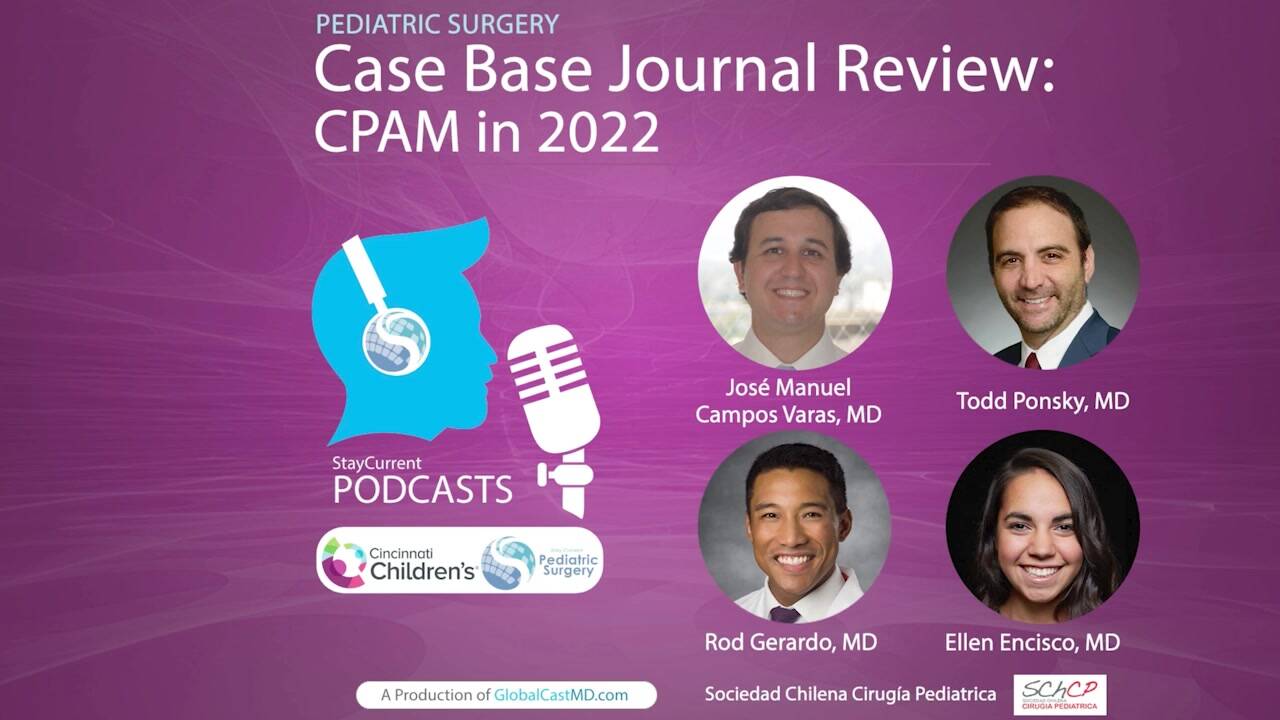
Case Based Journal Review - CPAM in 2022
12 min · Published Apr 2022
Video
Ladd Medal Award Presentation Honoring Dr. Steven Rothenberg's Pioneering Minimally Invasive Pediatric Surgery
Dr. Steve Rothenberg · 33 min · Published May 2026
Video
PDA ligation by Dr. Steven Rothenberg
Dr. Steve Rothenberg · 6 min · Published Jun 2023
Video
Update Course Rewind: Pectus Excavatum 2021
Dr. Todd Ponsky · 11 min · Published Aug 2022
Podcast
Update Course Rewind: Magnet Therapy for Esophageal Atresia
10 min · Published Dec 2021
Video
Update Course Rewind: Thoracotomy vs VATS for Lung Metastases
Dr. Todd Ponsky · 9 min · Published Dec 2021
Video
Thoracoscopic TEF Repair, Is It Really Better Than Open? Update Course 2018
18 min · Published Aug 2018
Video
Intestinal Atresia Types Explained: Grossfeld Classification for Pediatric Surgery
1 min · Published Sep 2026
Video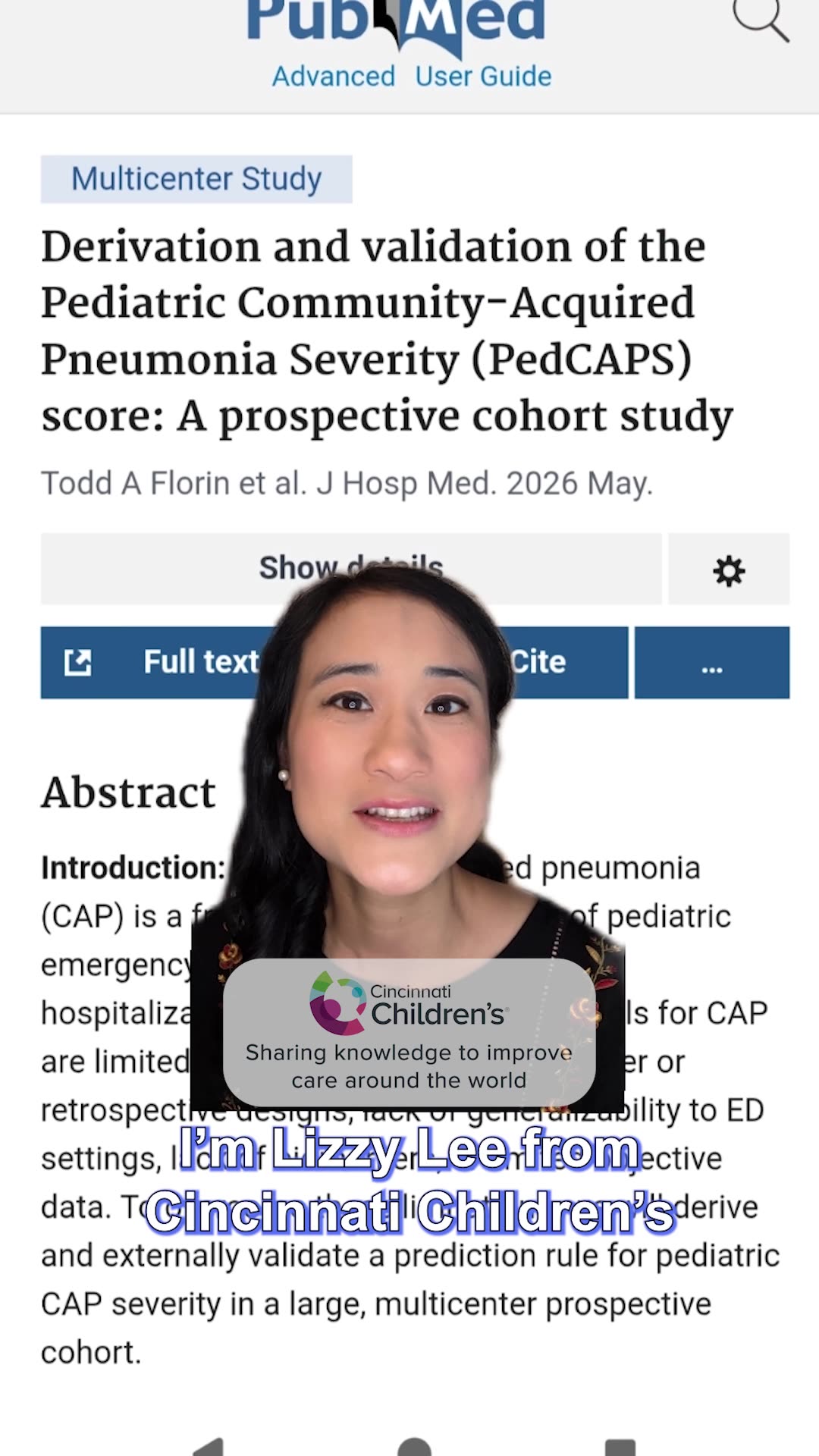
Derivation and validation of the Pediatric Community-Acquired Pneumonia Severity (PedCAPS) score: A prospective cohort study
50 s · Published Sep 2026
Video
FETO for Late-Diagnosed Severe Congenital Diaphragmatic Hernia (CDH) at Cincinnati Children's with Dr. Beth Rymeski
4 min · Published Sep 2026
Video
Severe Congenital Diaphragmatic Hernia (CDH) Case: FETO Management & Unexpected Findings with Dr. Beth Rymeski
3 min · Published Sep 2026
Video
Fetoscopic Endoluminal Tracheal Occlusion (FETO) Procedure: Step-by-Step Guide with Dr. Beth Rymeski
4 min · Published Sep 2026
Video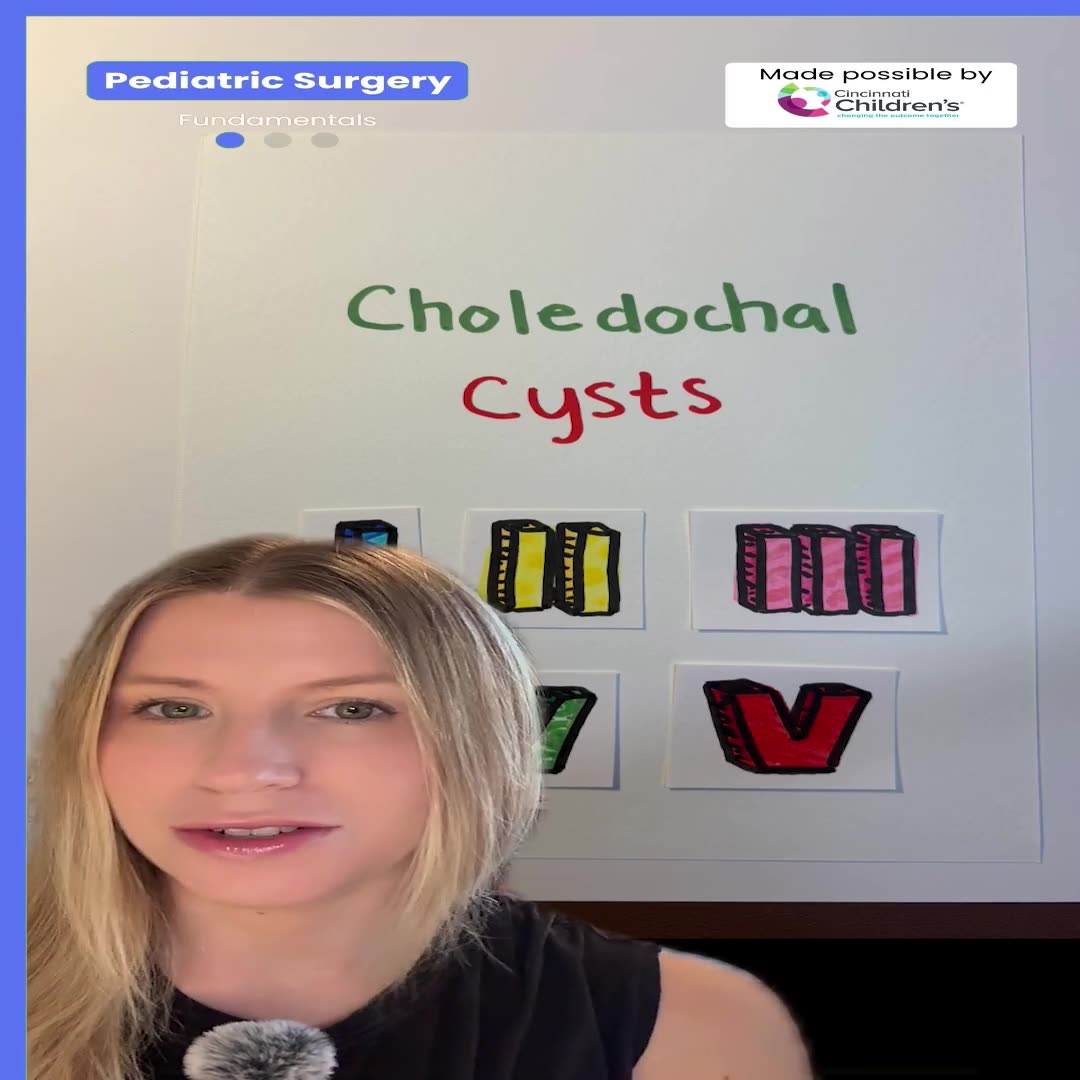
Choledochal Cyst Types Explained: Pediatric Surgery Fundamentals
1 min · Published Sep 2026
What the experts said
Fetal MRI for congenital cystic lung lesions does not change management in most cases unless the fetus shows signs of hydrops or the center uses prenatal steroids.
Prenatal steroids are indicated for microcystic lesions with CVR (congenital pulmonary airway malformation volume ratio) >1.6, based on UCSF findings that steroids can reduce lesion size or prevent growth relative to fetal growth.
Prenatal steroids do not work on macrocystic lesions, only microcystic lesions.
CT scan can identify multifocal disease in congenital cystic lung lesions, which may change surgical management (e.g., disease in all three lobes of one lung).
Approximately 3 patients in several hundred cases had bilateral congenital cystic lung disease, requiring altered management.
Operative time and complication rate are lower when congenital cystic lung lesions are resected earlier (3 months) compared to later (9+ months), supported by published data.
Asymptomatic infants with congenital cystic lung lesions develop subclinical inflammation and infection between 3 and 9 months of age, manifesting as enlarged lymph nodes and fissure inflammation that complicate surgery.
A 3mm vessel sealer can safely seal and divide vessels up to 5mm in diameter during pediatric thoracoscopic surgery.
Even in asymptomatic infants who have never had a cold or chest infection, significant inflammation can develop in congenital cystic lung lesions by 1 year of age, making surgery more difficult.
At 3 months of age, thoracoscopic lobectomy in a 5kg infant provides adequate working space with 3mm instruments; space is not a limiting factor.
The Netherlands takes a more conservative approach to congenital cystic lung lesions compared to Germany.
In Germany, the standard practice is to operate on any cystic lung lesion at 3-6 months of age because of potential malignancy risk later in life.
Anatomic segmental resection is key when performing limited resection for congenital cystic lung lesions; non-anatomic resection carries risk of recurrent cystic disease.
One child who underwent segmental resection for CPAM has shown evidence of recurrent cystic disease on follow-up.
In a personal series of over 300 lobectomies for cystic lung disease, the malignancy rate was 1-2%, including 2 pulmonary blastomas and 1 adenocarcinoma.
Neoplastic mucinogenic proliferations in CPAM may be associated with KRAS mutation, which is also a marker in adult small cell carcinoma and colon cancer.
Columbia pathology review identified 4 additional cases of CPAM with neoplastic mucinogenic proliferations, a finding not previously reported in the literature.
30-40% of children with congenital cystic lung disease will have a significant pulmonary infection at some point during their life.
Once congenital cystic lung lesions become infected, they are much more difficult to resect surgically.
All thoracoscopic lobectomies for congenital cystic lung lesions should be performed thoracoscopically at centers with expertise; if a center cannot perform the procedure thoracoscopically, referral should be considered to avoid thoracotomy morbidity.
Long-term pulmonary function studies are needed to document that infants who undergo lobectomy compensate with growth of remaining lung tissue and do not have significant disability.
Morsellating tumor-containing lung tissue during specimen extraction does not upstage the tumor or change treatment according to hematology-oncology consultation, though patients require surveillance.
All three malignancies (2 blastomas, 1 adenocarcinoma) in the surgeon's series occurred in children under 1 year of age.