

From
Live Event Content
Marc Michalsky, MD - 2024 Pediatric Bariatric Surgery Update Course
With Dr. Marc Michalsky · hosted by Dr. Todd Ponsky
Part of
Obesity 30 items
Educational content from recorded physician discussions — not medical advice. Talk to your (or your child's) care team about your situation.
Video
Stephanie Walsh, MD - 2024 Pediatric Bariatric Surgery Update Course
16 min · Published Feb 2024
Video
Justin Ryder, MD- 2024 Pediatric Bariatric Surgery Update Course
12 min · Published Feb 2024
Video
AAP Policy for Adolescent Bariatric Surgery: Pediatric Obesity 2017
27 min · Published Feb 2018
Video
Wrap Up Discussions - 2024 Pediatric Bariatric Surgery Update Course
13 min · Published Feb 2024
Video
StayCurrent Forums - Obesity in Children
Dr. Todd Ponsky · Published Apr 2022
Video
Preoperative Optimization and Management - Caren Mangarelli, MD - 2024 Pediatric Bariatric Surgery Update Course
26 min · Published Feb 2024
Only a few other public items share this expert — go deeper there →
Video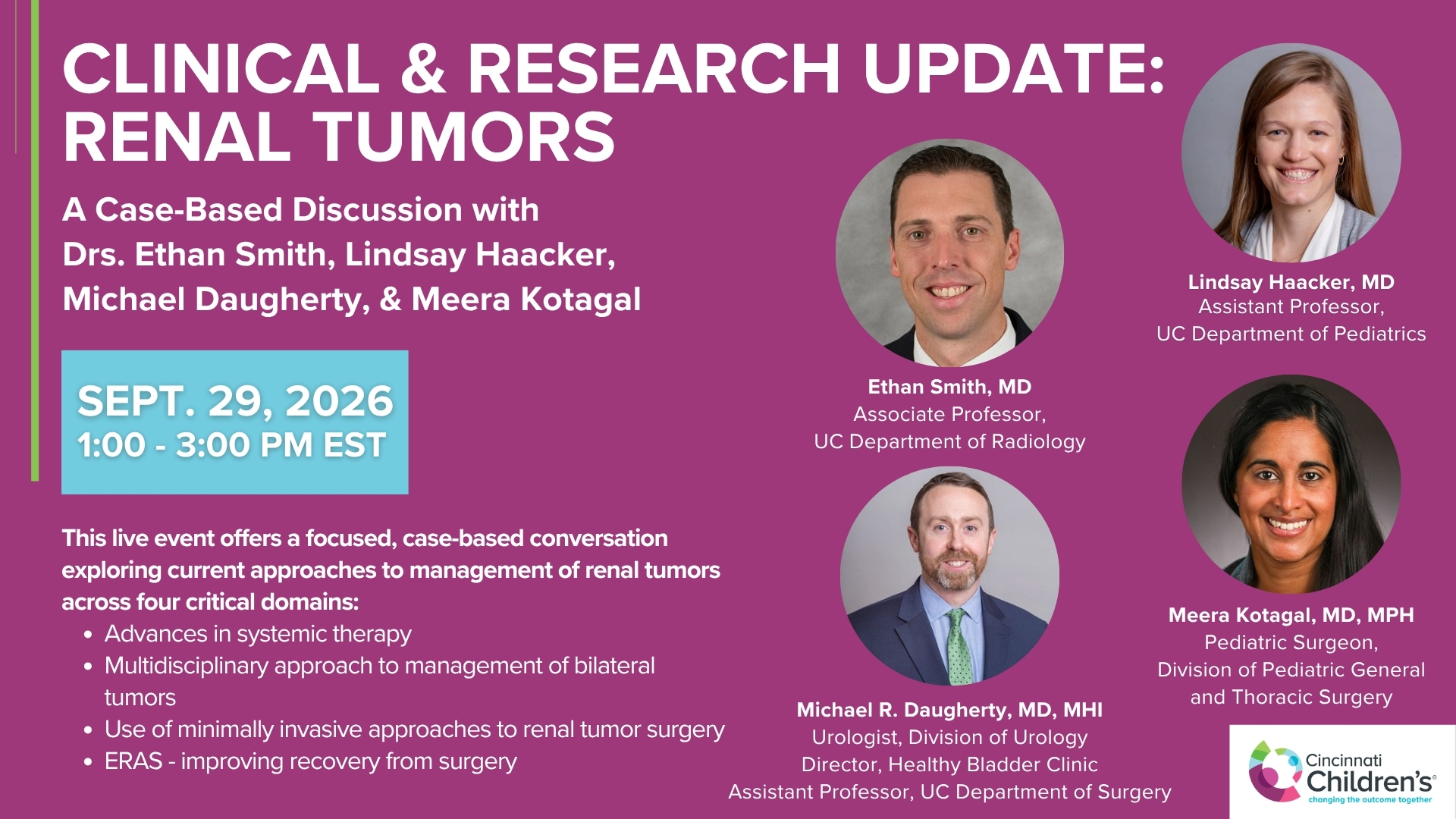
Clinical & Research Update: Renal Tumors with Drs. Ethan Smith, Lindsay Haacker, Michael Daugherty, and Meera Kotagal
71 min · Published Sep 2026
Video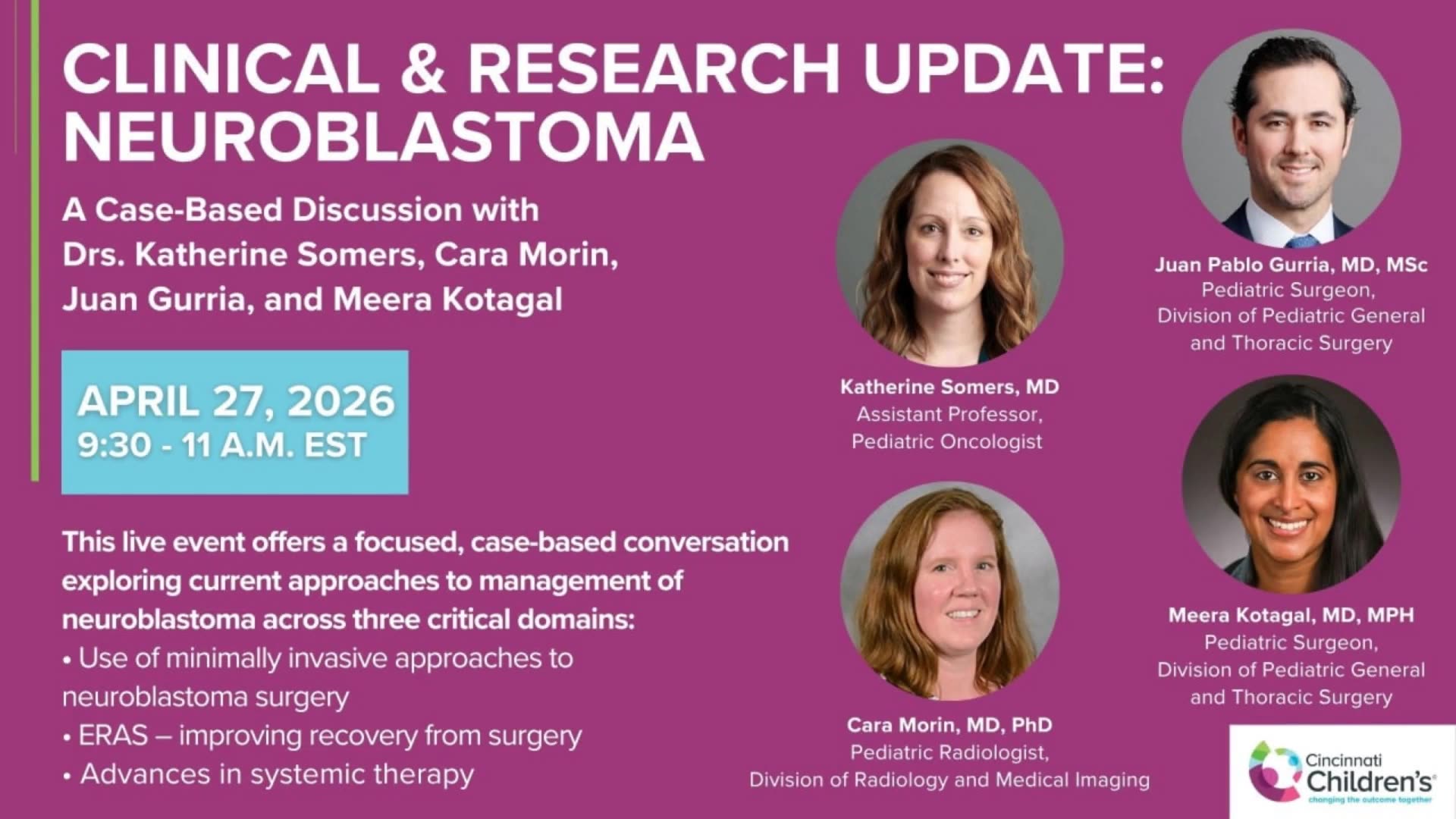
Clinical & Research Update: Neuroblastoma with Drs. Katherine Somers, Cara Morin, Juan Gurria, and Meera Kotagal
67 min · Published Sep 2026
Video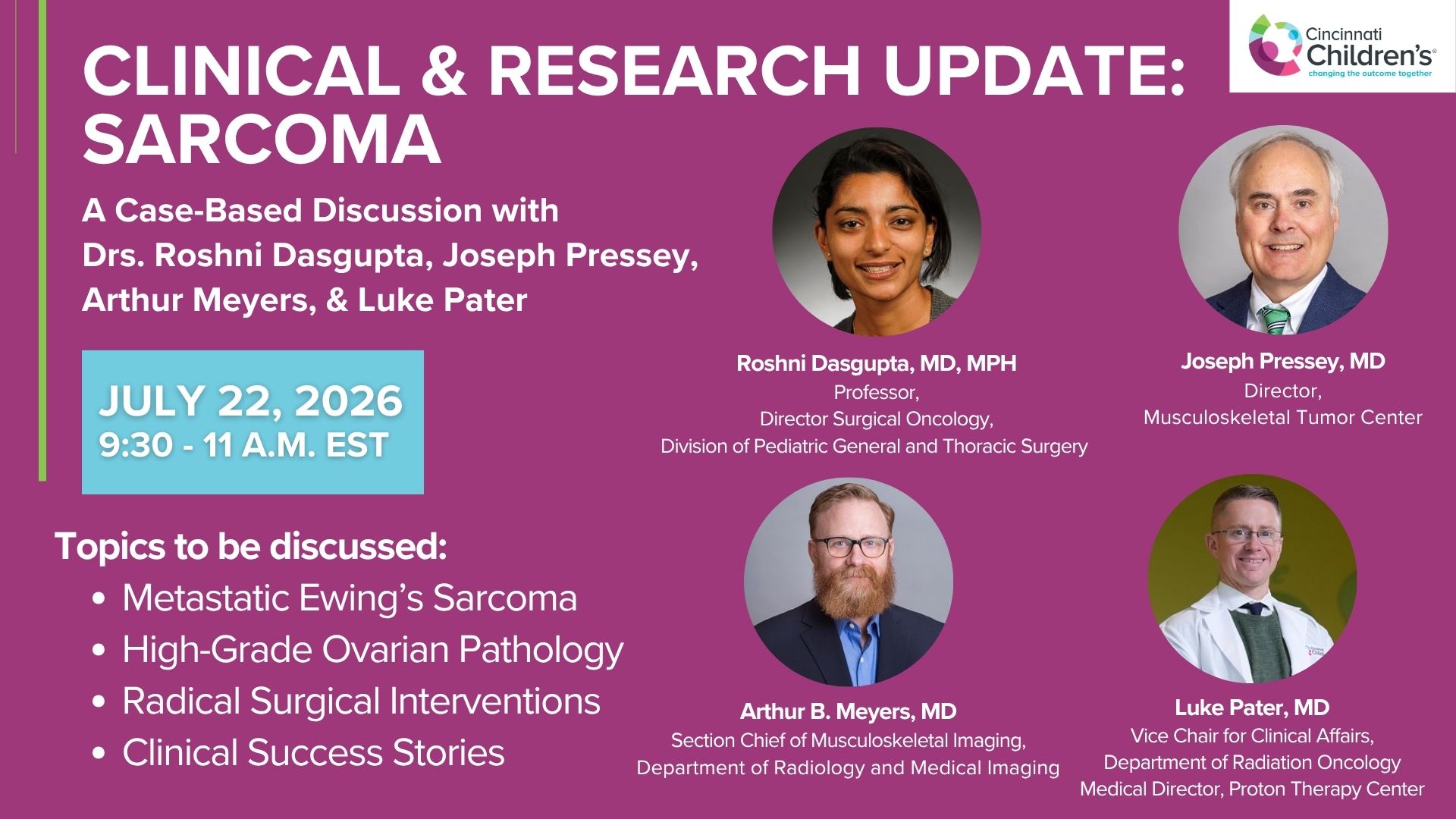
Clinical & Research Update: Sarcoma w/ Drs. Roshni Dasgupta, Joseph Pressey, Arthur Meyer, Luke Pater
66 min · Published Sep 2026
Video
2026 Laparoscopic Pediatric Hernia Repair
123 min · Published Jun 2026
Video
Beyond the Spectrum: Diagnosis, Myths & Management - Caitlin Couch & Leslie Lopez - APP Conference 2026
50 min · Published May 2026
Video
Dysautonomia: Navigating the Journey - Martha Willis - APP Conference 2026
55 min · Published May 2026
What the experts said
In 2004-2005, ASMBS developed a Centers of Excellence framework in response to public and professional concerns related to patient safety in bariatric surgery.
Ken Champion and Walter Porre led a consensus conference in 2004 that addressed bariatric surgery safety issues and published a treatise in 2005.
Centers of Excellence provided a means to identify bariatric surgery programs that provide comprehensive and standardized care and long-term follow-up.
The Centers of Excellence framework served as a way to report and compile patient outcomes within a national registry to assess and verify risks and benefits.
Between 2005 and 2012, major payers declared that authorization for bariatric surgical care needed to be done in accredited centers, in part due to reduction in mortality attributable to national accreditation.
In 2012, ASMBS and ACS combined forces to merge their two separate accreditation programs.
Robin Blackstone led the merging of the two accreditation programs and championed incorporating pediatrics, stating it was the right thing to do.
MBSAQIP was released in 2014 and has undergone a number of iterations over subsequent years.
The MBSAQIP framework and ASMBS best practice guidelines informed the recent American Academy of Pediatrics policy statement and clinical practice guidelines on pediatric bariatric surgery.
There are currently 958 MBSAQIP accredited programs throughout the United States.
109 programs are adult care centers with adolescent designation, representing 11% of all accredited centers.
7 freestanding children's hospitals have MBSAQIP accreditation for adolescent bariatric surgery, representing about 1% of total accredited centers.
Pediatric bariatric surgery volume in the MBSAQIP registry appears to be increasing, approaching 500 cases in 2023 based on extrapolation.
A significant number of high-quality, high-volume pediatric bariatric surgery centers are not part of MBSAQIP.
MBSAQIP accreditation translates into institutional commitment to providing the resources and equipment required to provide safe and timely care.
The centralized MBSAQIP database allows for generation of risk-adjusted institutional-specific data analysis on a bi-quarterly basis.
Risk-adjusted outcome reports inform required quality improvement projects using standard PDSA or QI framework.
ERAS implementation at Nationwide Children's Hospital showed reduced hospital length of stay and reduced opioid use.
Age less than 18 is cited as the most common reason for bariatric surgery insurance denials.
Major payers require MBSAQIP accreditation for adult bariatric surgery programs.
It is uncertain whether major payers will require MBSAQIP accreditation for pediatric bariatric surgery centers in the future.
The American Academy of Pediatrics has made bariatric surgery a widely disseminated therapeutic paradigm through education.
Major payers have been asked to pay attention to the AAP guidelines on pediatric bariatric surgery.
Patients have been denied bariatric surgery coverage by payers because the institution was not MBSAQIP accredited, even for pediatric cases.
Some children's hospitals do not freely provide the resources required to set up a safe bariatric surgery service.
MBSAQIP accreditation requires hospitals to commit to making all required equipment and resources available, which costs money.
The MBSAQIP application price is high, but active discussions are underway to accommodate pediatric programs and reduce the cost.