

From
Live Event Content
Evan Nadler, MD - 2024 Pediatric Bariatric Surgery Update Course
With Dr. Evan Nadler
Educational content from recorded physician discussions — not medical advice. Talk to your (or your child's) care team about your situation.
Video
Stephanie Walsh, MD - 2024 Pediatric Bariatric Surgery Update Course
16 min · Published Feb 2024
Video
Justin Ryder, MD- 2024 Pediatric Bariatric Surgery Update Course
12 min · Published Feb 2024
Video
Marc Michalsky, MD - 2024 Pediatric Bariatric Surgery Update Course
14 min · Published Feb 2024
Video
Wrap Up Discussions - 2024 Pediatric Bariatric Surgery Update Course
13 min · Published Feb 2024
Video
StayCurrent Forums - Obesity in Children
Dr. Todd Ponsky · Published Apr 2022
Video
Preoperative Optimization and Management - Caren Mangarelli, MD - 2024 Pediatric Bariatric Surgery Update Course
26 min · Published Feb 2024
Only a few other public items share this expert — go deeper there →
Video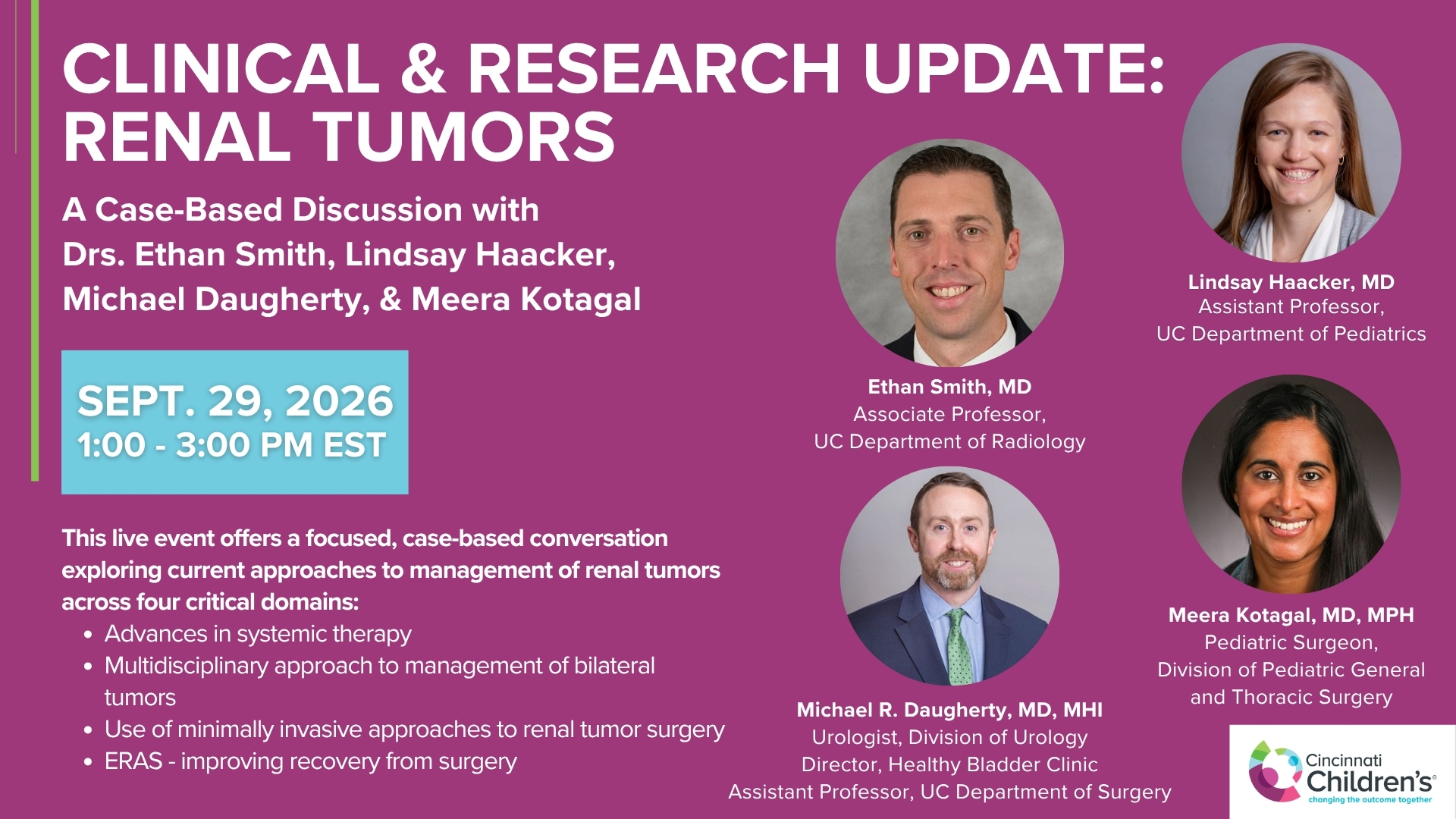
Clinical & Research Update: Renal Tumors with Drs. Ethan Smith, Lindsay Haacker, Michael Daugherty, and Meera Kotagal
71 min · Published Sep 2026
Video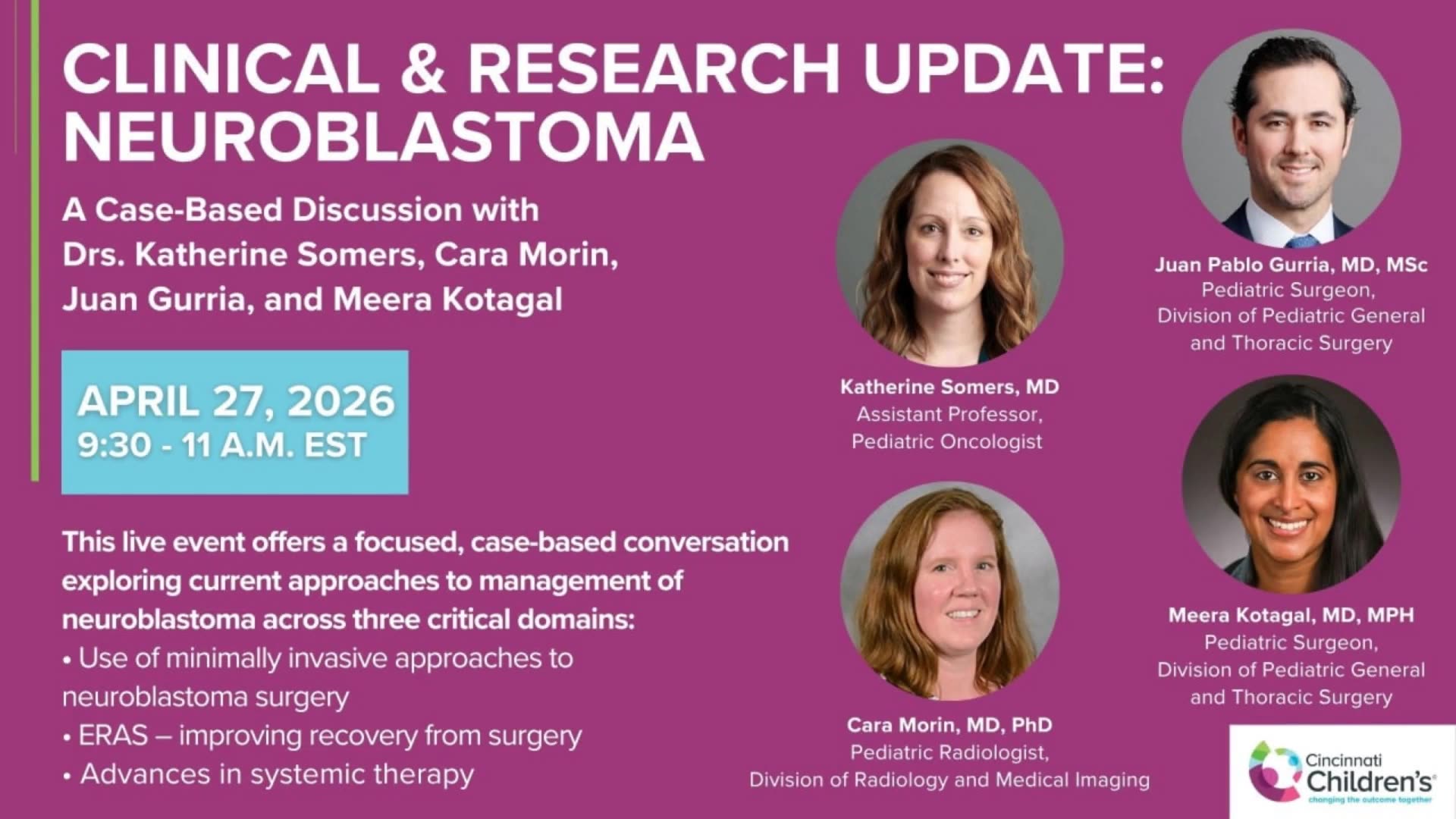
Clinical & Research Update: Neuroblastoma with Drs. Katherine Somers, Cara Morin, Juan Gurria, and Meera Kotagal
67 min · Published Sep 2026
Video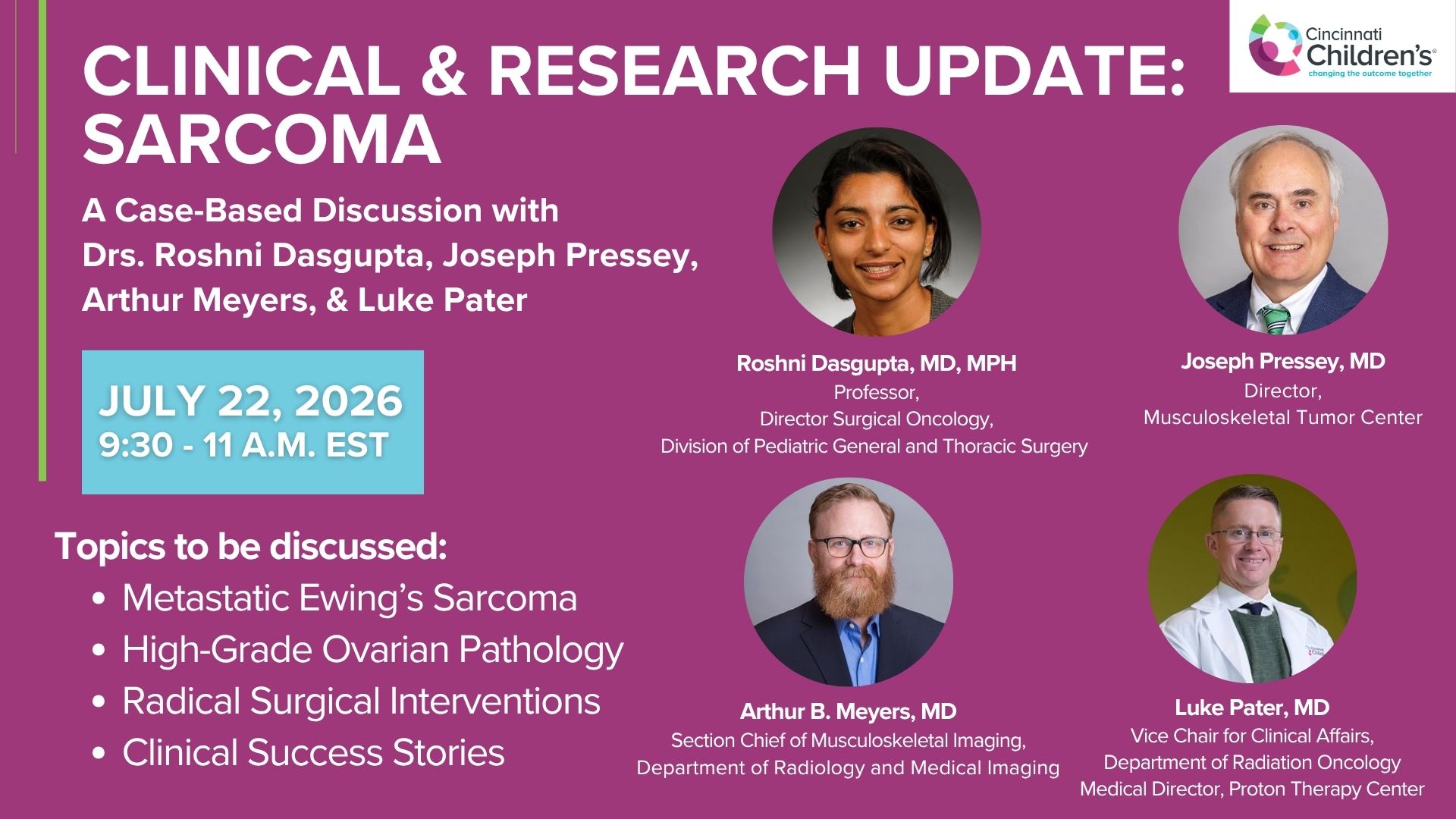
Clinical & Research Update: Sarcoma w/ Drs. Roshni Dasgupta, Joseph Pressey, Arthur Meyer, Luke Pater
66 min · Published Sep 2026
Video
2026 Laparoscopic Pediatric Hernia Repair
123 min · Published Jun 2026
Video
Beyond the Spectrum: Diagnosis, Myths & Management - Caitlin Couch & Leslie Lopez - APP Conference 2026
50 min · Published May 2026
Video
Dysautonomia: Navigating the Journey - Martha Willis - APP Conference 2026
55 min · Published May 2026
What the experts said
Pediatric bariatric surgeons treat approximately 0.05% of children who need surgery, well below adult treatment rates
MBSAQIP requirements for verified surgeon at freestanding children's hospital: 100 lifetime cases (75 can be as fellow) and 20 stapled cases per year
In MBSAQIP database of approximately 4800 teens, only about 50 are preteens
Preteens undergoing bariatric surgery have higher rates of insulin-dependent diabetes and sleep apnea compared to teens, indicating they are sicker pre-operatively
Safety outcomes in preteens were the same or better than teens in MBSAQIP data
Nadler's youngest bariatric surgery patients were two 4-year-olds: one homozygous for MC4R receptor deficiency and one with Rohhad syndrome
Using BMI percentiles instead of absolute BMI values can help with insurance approval by confusing reviewers who then focus on comorbidities like diabetes
In the DC area, most Medicaid programs have removed age cutoffs for bariatric surgery after years of education efforts
Insurance companies often defer to specialist clinicians for rare cases when clinical justification is provided
The ideal age to operate may be between 12 and 14 years because these children still listen to parents and are developing habits
Operating on 10-11 year olds may be even better because going through puberty at normal or lower weight is beneficial physically and mentally, and younger children have less independent access to food
Off-label use of medications including Vyvanse, phentermine, topiramate, and GLP-1 agonists has been standard practice for years in young patients because the disease needs treatment
Medications may be no safer than surgery, with less long-term data in children, similar gallstone risk, and higher weight regain due to medication discontinuation
Treating hyperphagia early with medications like ADD drugs can prevent children from becoming heavier, even if it doesn't prevent surgery later
Phentermine has less addictive properties than ADD medications
Younger patients prepared in non-surgical weight management clinics before surgery show better compliance and have mental health issues addressed in a timely manner
Study of 490 patients from 2018-2022 included 34 with special healthcare needs: autism spectrum disorder, intellectual/developmental disabilities, Trisomy 21, and Prader-Willi syndrome
Patients with special healthcare needs lost weight after bariatric surgery, though not quite as much as neurotypical patients
When separated, autism spectrum disorder patients (n=16) appeared to do better than intellectual/developmental disability patients (n=13), though only 6-month excess weight loss was statistically significant
Autism spectrum disorder patients may do better partly because more are male (males tend to have better bariatric surgery outcomes) and because some have highly structured routines and follow post-operative rules strictly
Patients with autism spectrum disorder and selective eating often do better after surgery because post-operative requirements (protein, water, multivitamin) fit their need for structured eating patterns
Some patients with special healthcare needs had parents who could barely care for them, and surgery made care easier rather than harder
Prader-Willi patients do not do as well with bariatric surgery but still do better than without surgery
Syndromic genetic obesity patients need everything: medications, surgery, and continued medications post-operatively
One bariatric surgery operation costs approximately $50,000, equivalent to 3-4 years of GLP-1 agonist therapy at current prices
Epic real-world data showed that a large number of patients after GLP-1 cessation do not regain their weight
Approximately 50% of bariatric surgery patients do well long-term without additional interventions, while 50% have poor outcomes
For Prader-Willi syndrome, biliopancreatic diversion may be the best operation according to Steve Myers's paper, though not ideal for young children