

From
StayCurrentMD
Options for Female Fertility Preservation: Pediatric Oncofertility 2017
With Dr. Hefkin & Dr. Ponsky
Part of
Pediatric Oncology 692 items
Educational content from recorded physician discussions — not medical advice. Talk to your (or your child's) care team about your situation.
Video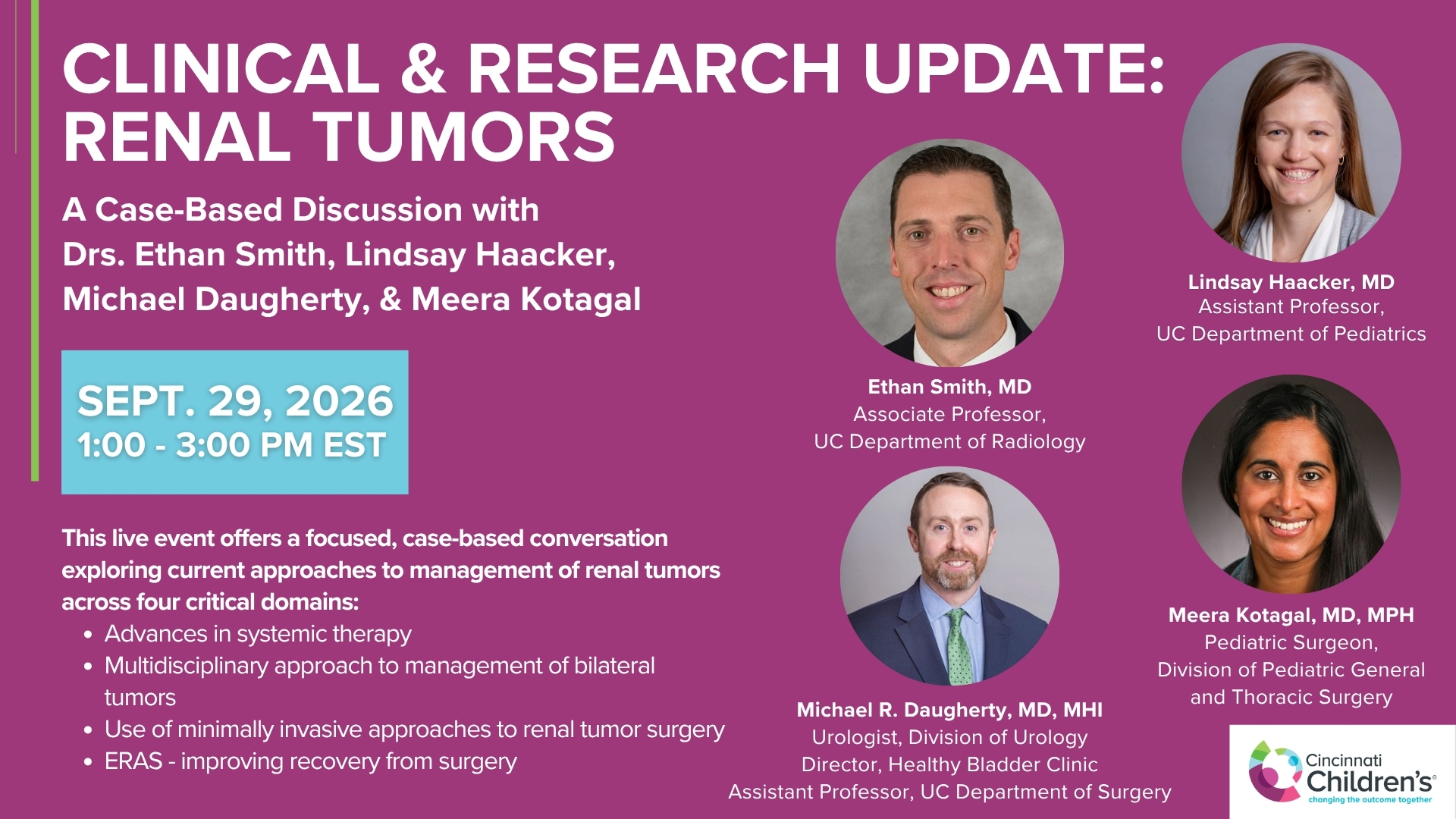
Clinical & Research Update: Renal Tumors with Drs. Ethan Smith, Lindsay Haacker, Michael Daugherty, and Meera Kotagal
71 min · Published Sep 2026
Video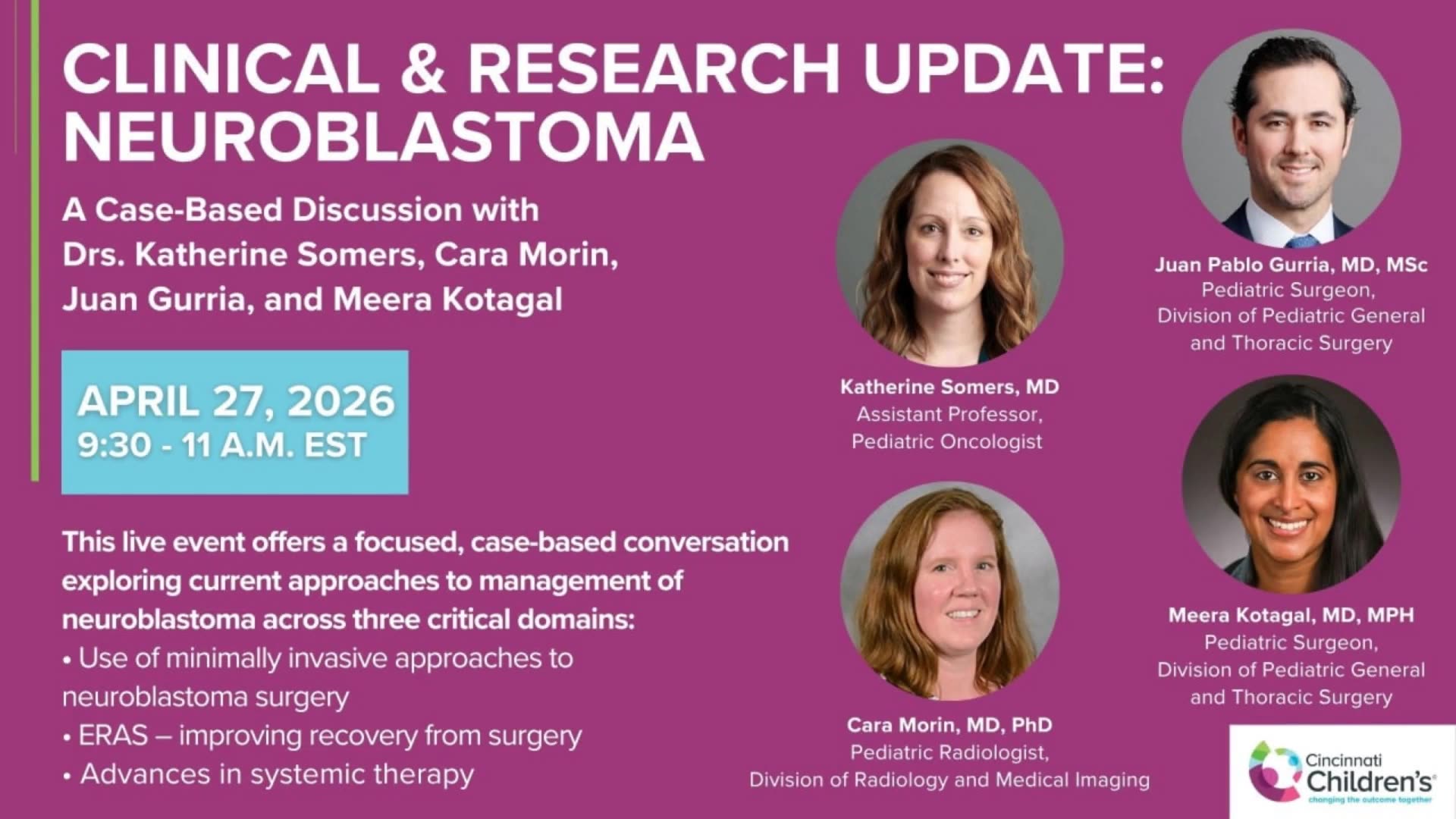
Clinical & Research Update: Neuroblastoma with Drs. Katherine Somers, Cara Morin, Juan Gurria, and Meera Kotagal
67 min · Published Sep 2026
Video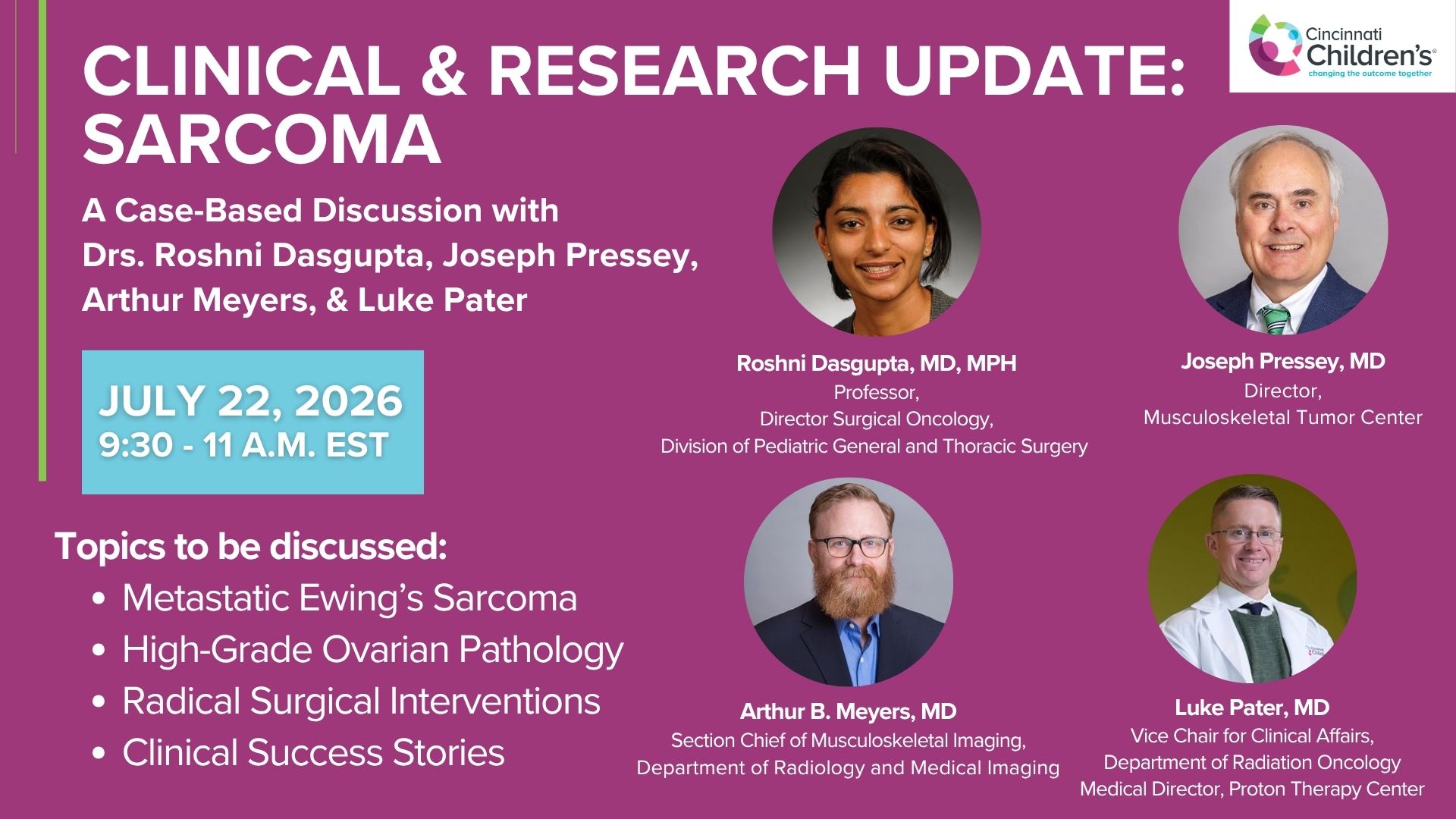
Clinical & Research Update: Sarcoma w/ Drs. Roshni Dasgupta, Joseph Pressey, Arthur Meyer, Luke Pater
66 min · Published Sep 2026
Video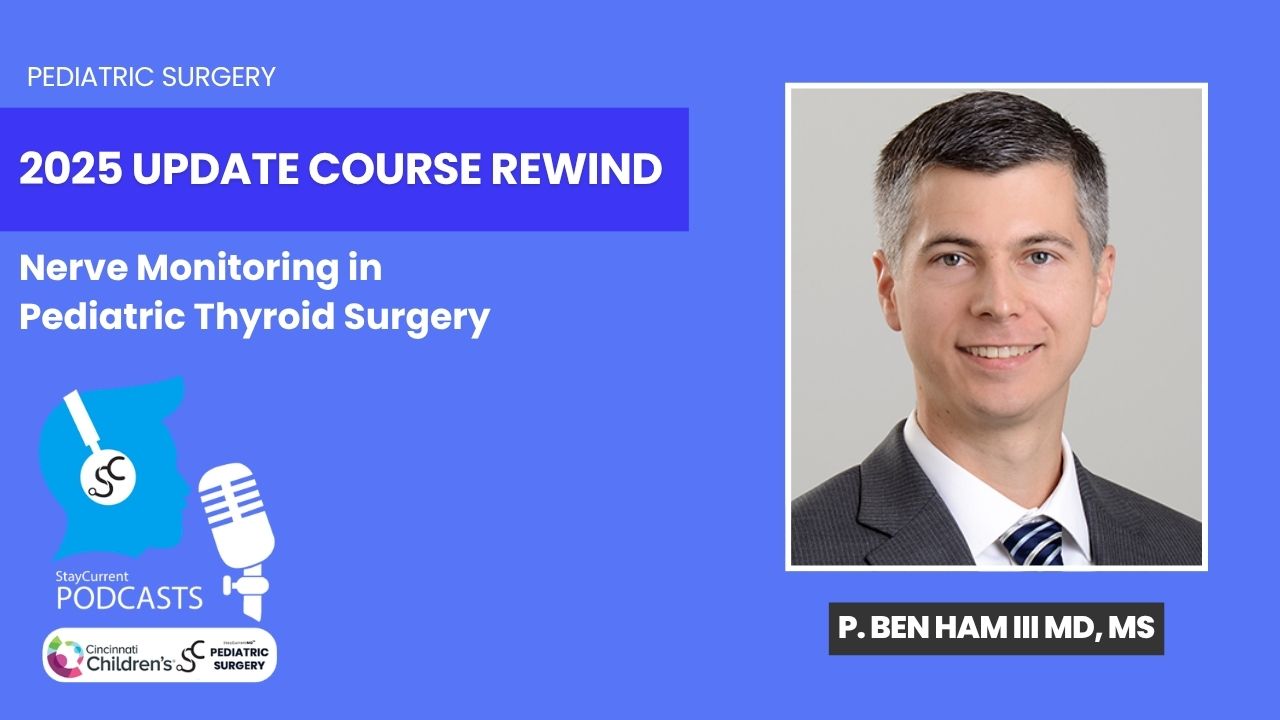
Update Course Rewind 2025: Nerve Monitoring in Pediatric Thyroid Surgery
6 min · Published Jul 2026
Video
Journal of Pediatric Surgery Article Review: June 2023, AAP Issue
Todd Ponsky · 13 min · Published Jul 2026
Video
Pediatric Surgical Oncology Research Collaborative (PSORC): Studying Rare Pediatric Tumors
56 s · Published May 2026
Video
Intestinal Atresia Types Explained: Grossfeld Classification for Pediatric Surgery
1 min · Published Sep 2026
Video
Derivation and validation of the Pediatric Community-Acquired Pneumonia Severity (PedCAPS) score: A prospective cohort study
50 s · Published Sep 2026
Video
FETO for Late-Diagnosed Severe Congenital Diaphragmatic Hernia (CDH) at Cincinnati Children's with Dr. Beth Rymeski
4 min · Published Sep 2026
Video
Severe Congenital Diaphragmatic Hernia (CDH) Case: FETO Management & Unexpected Findings with Dr. Beth Rymeski
3 min · Published Sep 2026
Video
Fetoscopic Endoluminal Tracheal Occlusion (FETO) Procedure: Step-by-Step Guide with Dr. Beth Rymeski
4 min · Published Sep 2026
Video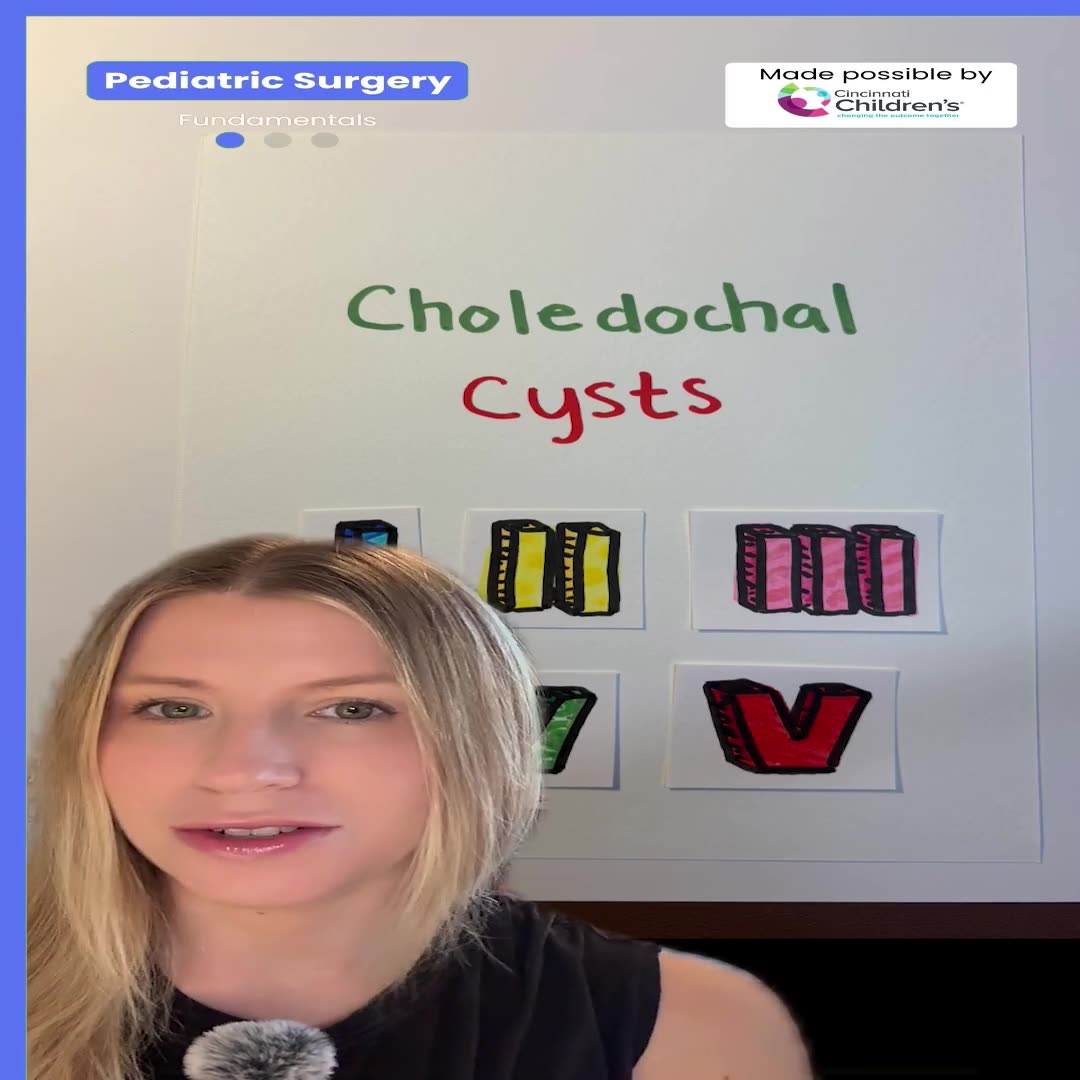
Choledochal Cyst Types Explained: Pediatric Surgery Fundamentals
1 min · Published Sep 2026
What the experts said
Oocyte cryopreservation was made standard of care by the Society for Reproductive Medicine in 2012, removing barriers for adolescents who previously required long-term partners or sperm donation for embryo cryopreservation.
Live birth rates for embryo and oocyte cryopreservation average 33-52%, with oocyte outcomes approaching embryo outcomes due to improved freezing and thawing techniques.
Controlled ovarian stimulation for oocyte/embryo cryopreservation historically required 4-6 weeks, but recent luteal-phase protocols can achieve consultation to cryopreservation in less than 2 weeks.
Connecticut is the first state with mandated fertility preservation coverage, achieved by changing the definition of infertility from 'otherwise healthy females trying for 6-12 months' to 'medical necessity.'
Ovarian transposition achieves 50-90% reductions in radiation to the ovary and 30-50% maintenance of ovarian function, but fertility preservation outcomes are not well studied in pediatric populations.
Three breast cancer studies showed GnRH analogs decreased amenorrhea, while three lymphoma studies showed no protection in ovarian reserve, with two studies stopped early due to lack of benefit.
In 2013, ASCO guidelines recommended that patients be informed there is insufficient evidence to recommend GnRH analogs as fertility protection.
The POEMS study (Prevention of Early Menopause Study) in breast cancer patients using goserelin plus chemotherapy versus chemotherapy alone showed statistically significant reduction in ovarian failure and decreased odds ratio for pregnancies.
Ovarian tissue cryopreservation is the only method of fertility preservation available for prepubertal patients.
Cincinnati Children's ovarian tissue cryopreservation protocol allows females ages 1 month to 41 years undergoing gonadotoxic treatment, with FSH less than 20, and no restrictions based on risk assessment (though most patients electing OTC are high-risk).
Current cryopreservation standard is slow-freeze technique; vitrification studies show it is likely better, but it should not be considered standard until outcome data exists.
Cincinnati Children's has performed over 70 ovarian tissue cryopreservations with 4 complications (3 minor, 1 small bowel obstruction 1 year post-procedure in patient with bowel GVHD), 5 deaths (9.6%, all disease-related, none procedure-related), and no complications since the 52-patient review.
There have been 86 live births in the literature from orthotopic ovarian tissue transplantation, with 2 from patients in the prepubertal population (only 1 reported in literature).
In the Jadoul study of 545 ovarian tissue cryopreservation procedures, there were only 5 minor complications, 1 major complication requiring repeat surgery for bleeding, and only 1 death reported in all literature from OTC procedures.
In the Jadoul study, 30% of patients were under age 18 and 15% were prepubertal, with a deceased rate of 10% overall and 13.5% in patients under 18.
Tissue utilization rate in the Jadoul study was 4%, compared to less than 10% for oncology patients who return to use cryopreserved semen.
96% of patients surveyed were satisfied with having undergone ovarian tissue cryopreservation, including those who did not utilize their tissue, showing satisfaction comes from having the choice rather than needing to use it.
Pediatric gynecology services are the minority in freestanding children's hospitals; many have gynecologists from the adult world who come in a few days or have clinic once a week, which may not fit timely fertility preservation needs.
In prepubertal patients, it is technically difficult to remove cortical strips from already very small ovaries, which is why some institutions remove whole ovaries in younger patients while adult centers typically remove cortical strips from larger ovaries.
Testing for malignancy in ovarian tissue can be assessed prior to transplant rather than at the time of tissue acquisition, and future technologies may allow delivery of safe follicles in an artificial ovary without contaminated cells.