

From
StayCurrentMD
Neuroblastoma with Dr. Meera Kotagal
With Dr. Meera Kotagal · hosted by Dr. Em Gootee
Educational content from recorded physician discussions — not medical advice. Talk to your (or your child's) care team about your situation.
Video
Neuroblastoma: Update Course 2016
CCHMC Pediatric Surgery · 25 min · Published Jul 2017
Video
Neuroblastoma
CCHMC Pediatric Surgery · Published May 2020
Video
Image-guided core-needle or surgical biopsy for neuroblastoma diagnosis in children
54 s · Published Feb 2024
Video
Neuroblastoma: Update Course 2014
CCHMC Pediatric Surgery · 25 min · Published Nov 2018
Video
Dr. Yujie Ma - Best of the Best in Pediatric Surgery 2025
Dr. Todd Ponsky · 8 min · Published Mar 2025
Video
Error Traps and Culture of Safety in Pediatric Surgical Oncology
CCHMC Pediatric Surgery · Published Sep 2019
Video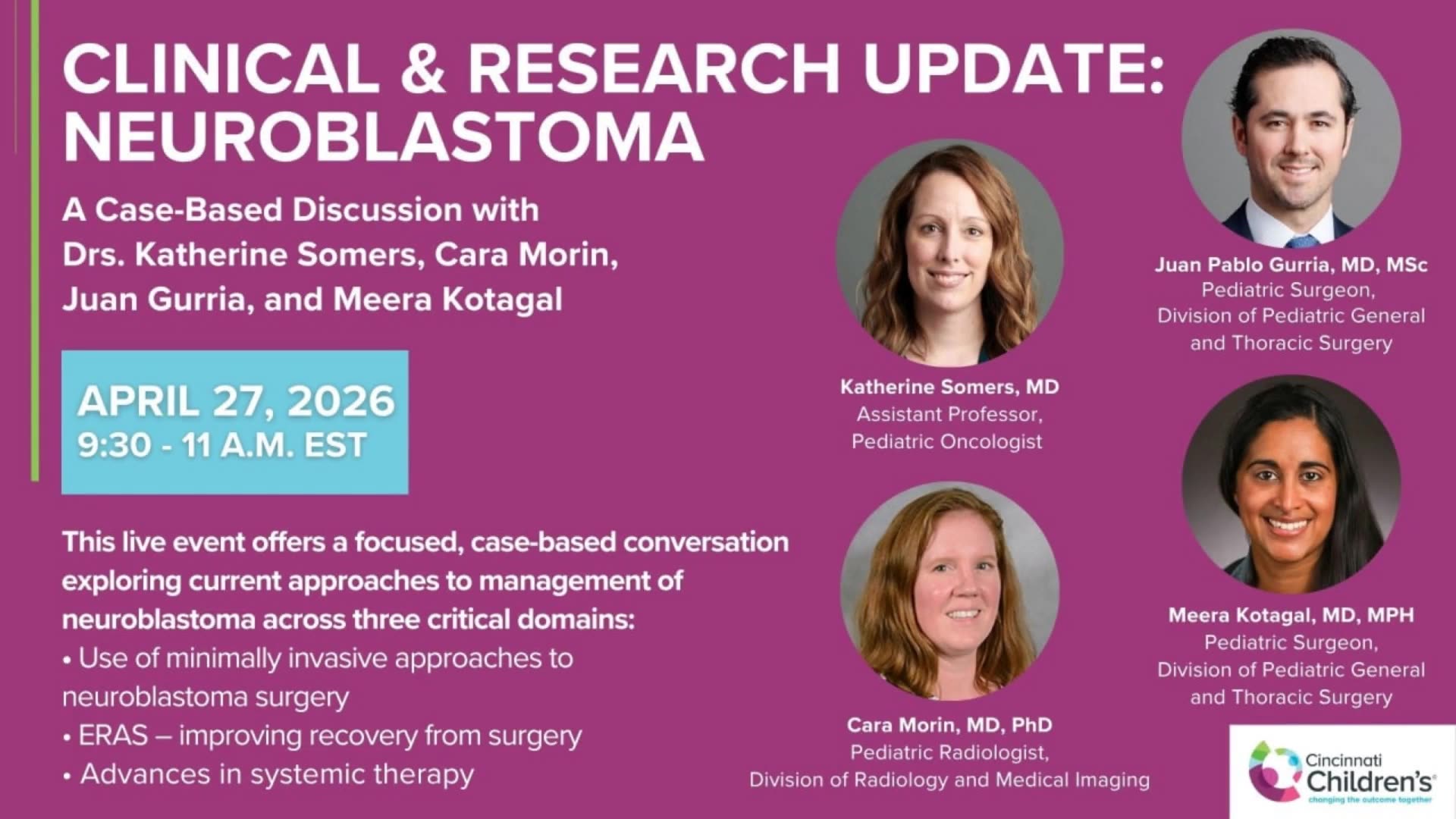
Clinical & Research Update: Neuroblastoma with Drs. Katherine Somers, Cara Morin, Juan Gurria, and Meera Kotagal
67 min · Published Sep 2026
Video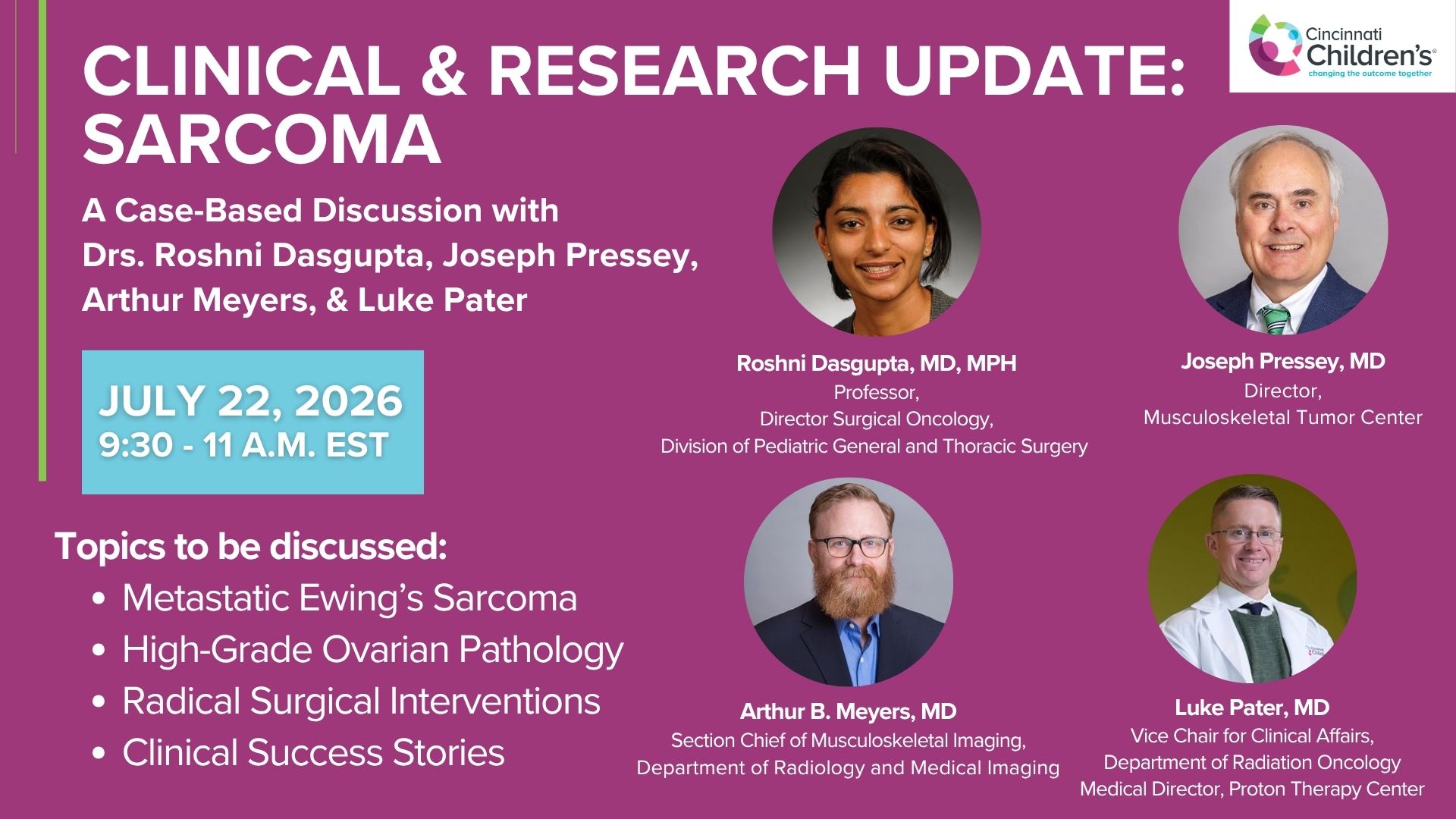
Clinical & Research Update: Sarcoma w/ Drs. Roshni Dasgupta, Joseph Pressey, Arthur Meyer, Luke Pater
66 min · Published Sep 2026
Video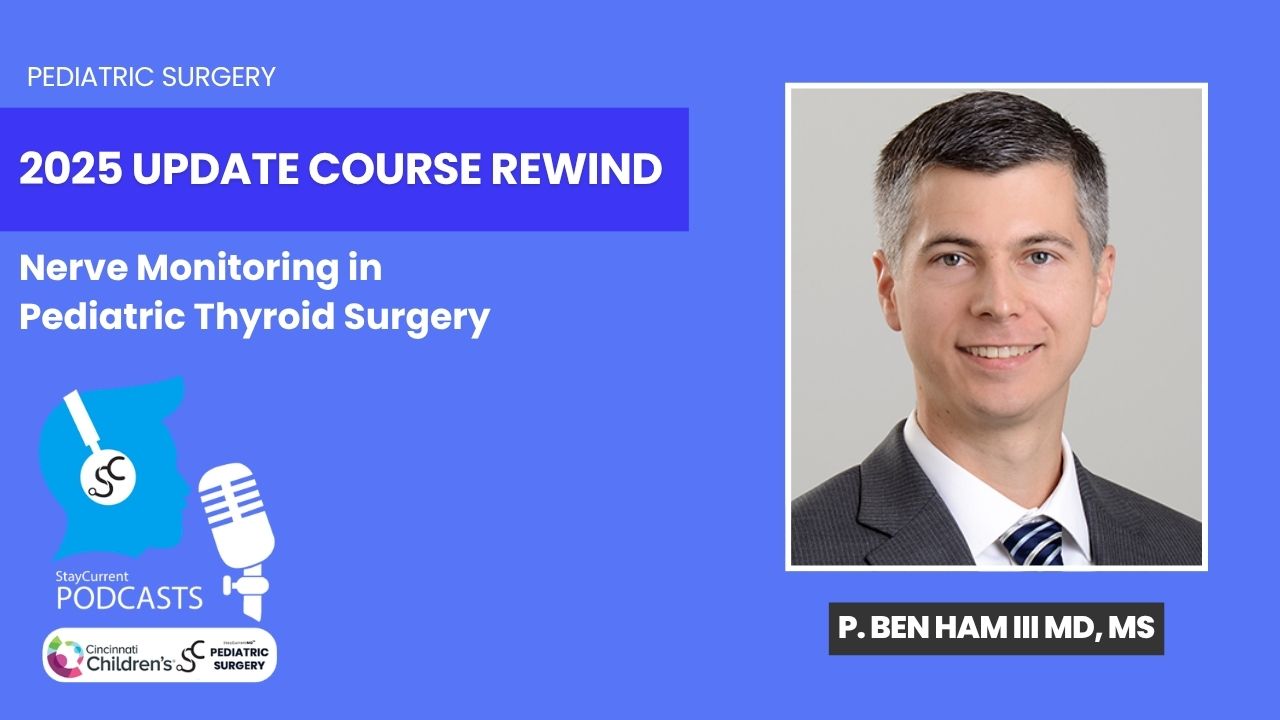
Update Course Rewind 2025: Nerve Monitoring in Pediatric Thyroid Surgery
6 min · Published Jul 2026
Video
Journal of Pediatric Surgery Article Review: June 2023, AAP Issue
Todd Ponsky · 13 min · Published Jul 2026
Video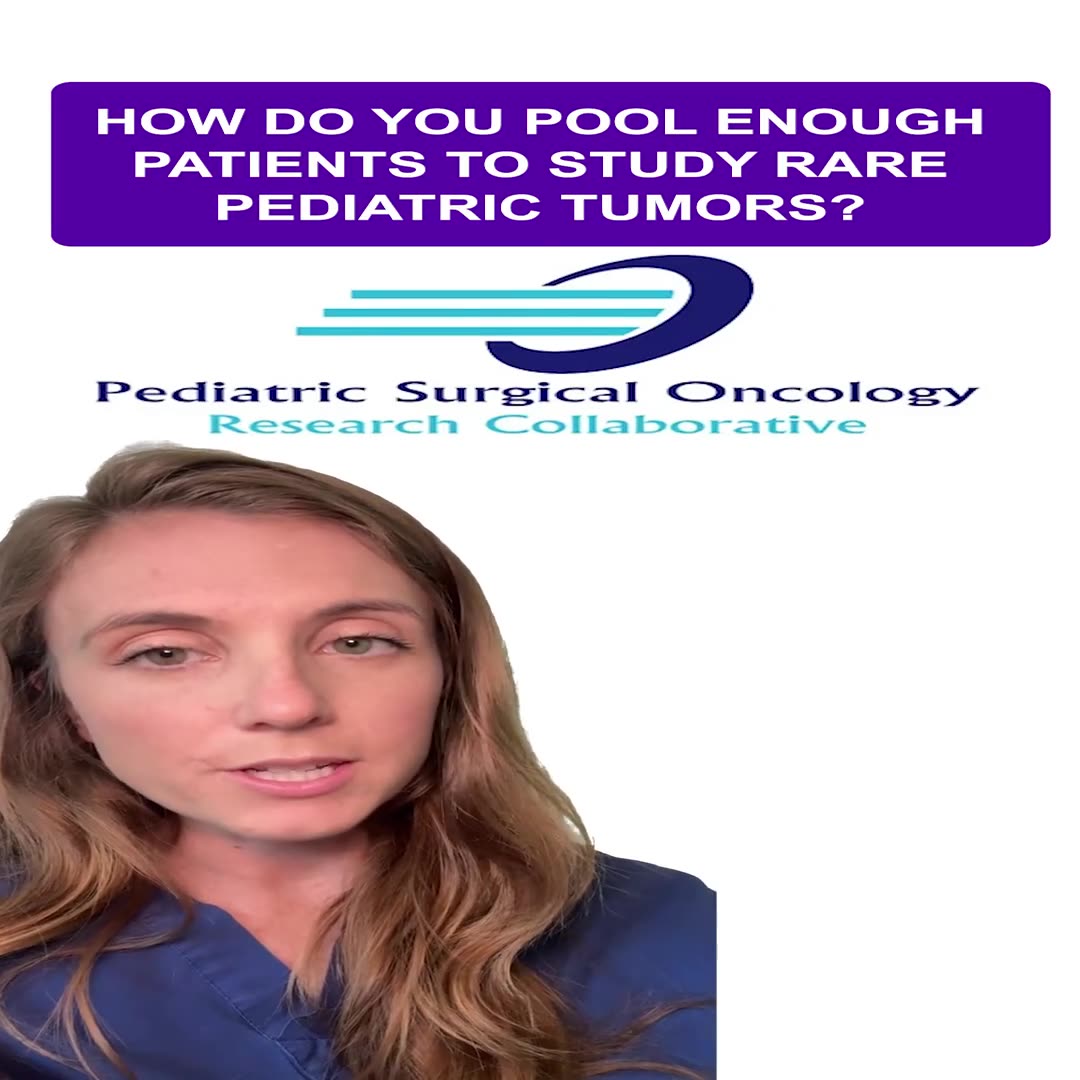
Pediatric Surgical Oncology Research Collaborative (PSORC): Studying Rare Pediatric Tumors
56 s · Published May 2026
Video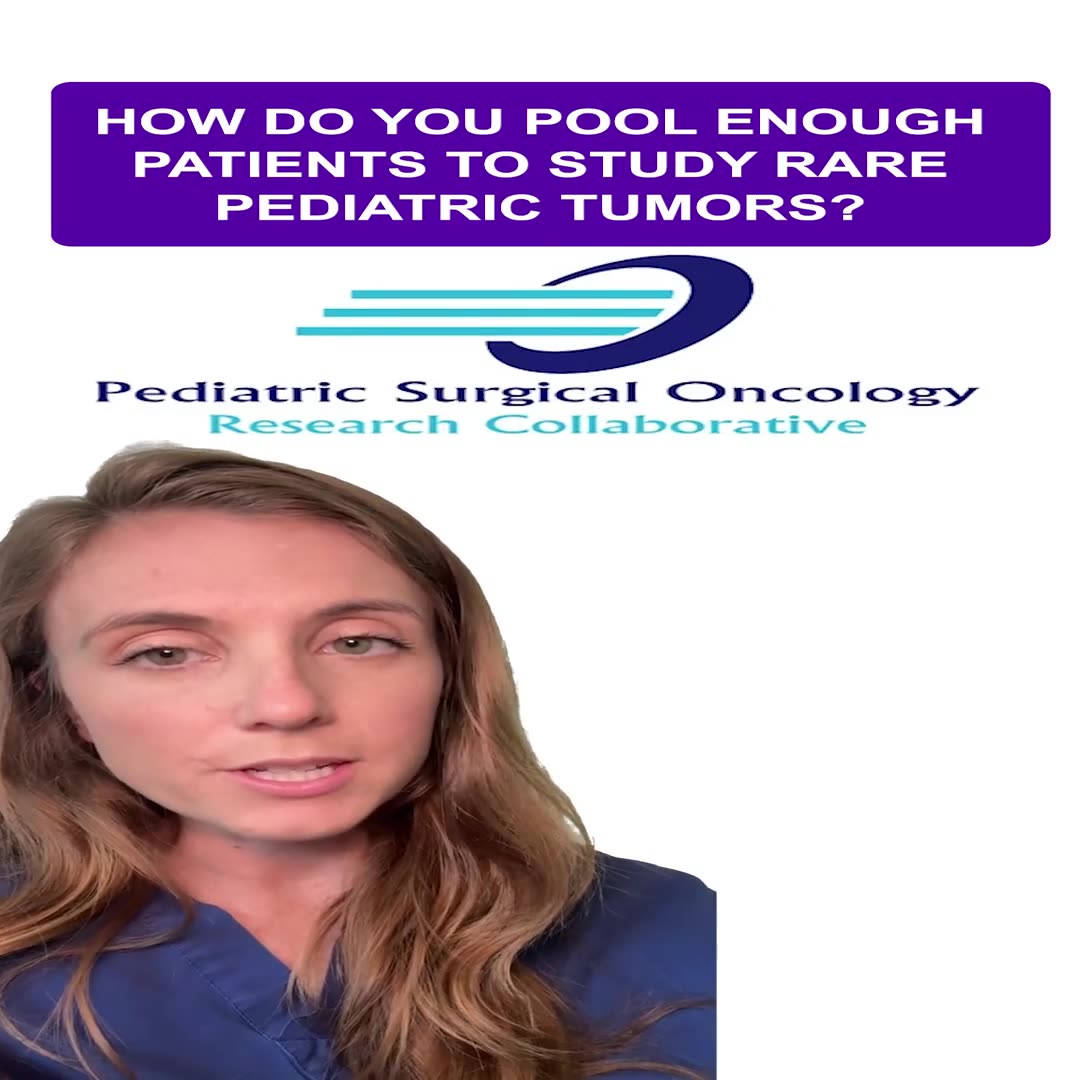
Pooling Patients to Study Rare Pediatric Tumors: An Introduction to PSORC
56 s · Published May 2026
Video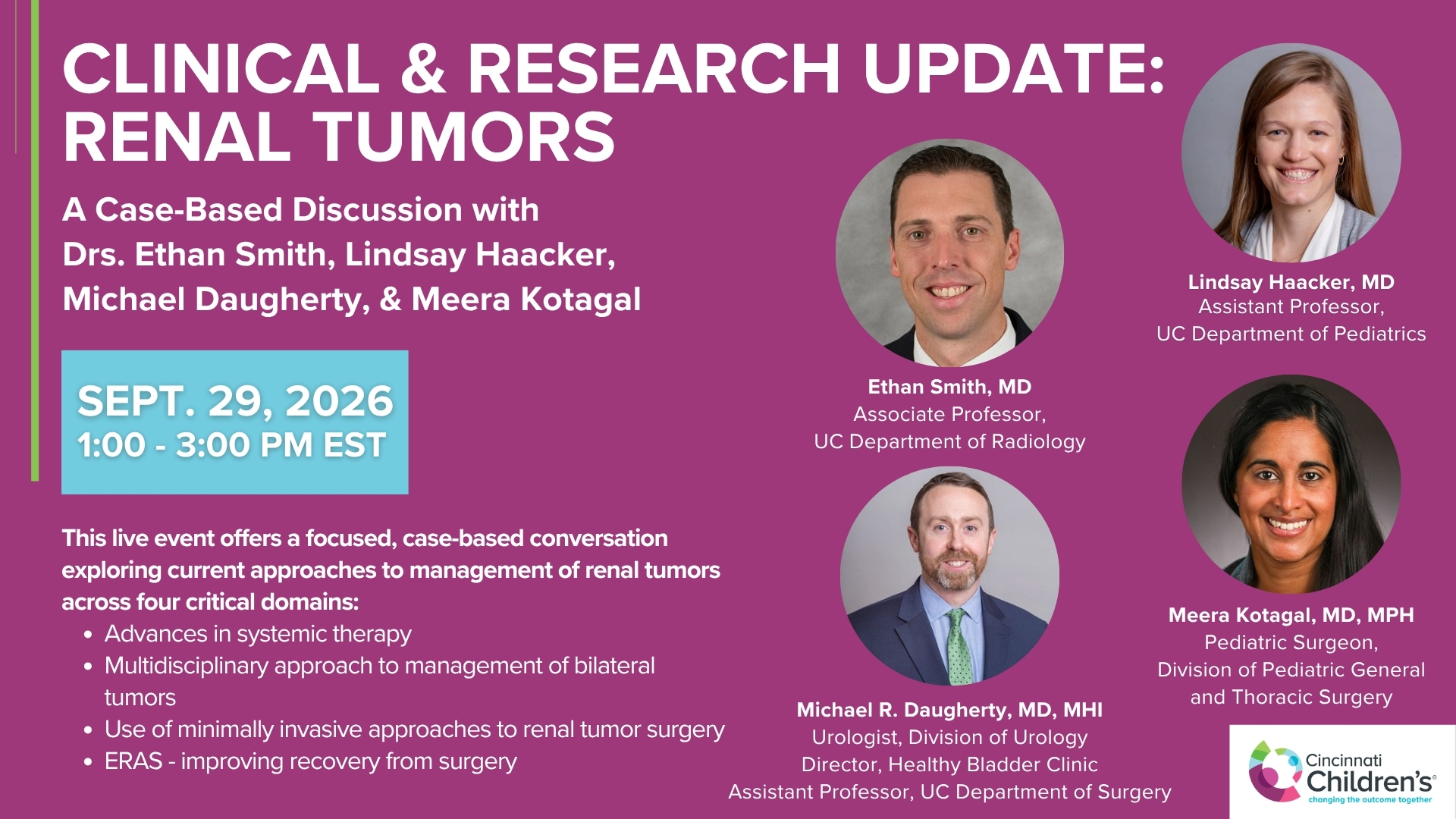
Clinical & Research Update: Renal Tumors with Drs. Ethan Smith, Lindsay Haacker, Michael Daugherty, and Meera Kotagal
71 min · Published Sep 2026
Video
Update Course Rewind: 2023 Top Ten Key Takeaways
16 min · Published Jun 2024
Podcast
Inguinal Hernias: Diagnosis and Management
16 min · Published Apr 2021
Video
7th Annual Pediatric Surgery Update Course 2019 - FULL SHOW
285 min · Published Jul 2020
Video
Suspected Hirschsprung's-associated enterocolitis (HAEC) Treatment Guideline...
CCHMC Pediatric Surgery · Published Jul 2019
Video
Intestinal Atresia Types Explained: Grossfeld Classification for Pediatric Surgery
1 min · Published Sep 2026
Video
Derivation and validation of the Pediatric Community-Acquired Pneumonia Severity (PedCAPS) score: A prospective cohort study
50 s · Published Sep 2026
Video
FETO for Late-Diagnosed Severe Congenital Diaphragmatic Hernia (CDH) at Cincinnati Children's with Dr. Beth Rymeski
4 min · Published Sep 2026
Video
Severe Congenital Diaphragmatic Hernia (CDH) Case: FETO Management & Unexpected Findings with Dr. Beth Rymeski
3 min · Published Sep 2026
Video
Fetoscopic Endoluminal Tracheal Occlusion (FETO) Procedure: Step-by-Step Guide with Dr. Beth Rymeski
4 min · Published Sep 2026
Video
Choledochal Cyst Types Explained: Pediatric Surgery Fundamentals
1 min · Published Sep 2026
What the experts said
Neuroblastoma makes up about 8 to 10% of all pediatric cancers and about 15% of cancer-related deaths.
For patients with relapsed high risk neuroblastoma, the survival rate is 0%.
90% of neuroblastomas have elevated HVA and VMA (catecholamine metabolites).
Neuroblastomas are not typically thought of as causing elevated blood pressure despite producing catecholamines.
Image-defined risk factors (IDRFs) are best understood as things that touch important structures: vessels, brachial plexus, or trachea.
Intermediate risk neuroblastoma patients receive neoadjuvant chemotherapy with 2, 4, 6, or 8 cycles depending on chromosomal factors, followed by surgical resection.
The key surgical principle for neuroblastoma resection is to stay on the vessels and work from normal to abnormal anatomy.
Image-defined risk factors (IDRFs) are associated with increased risk of surgical complications.
When percutaneous core biopsies are performed by experienced practitioners who obtain multiple cores, the adequacy of these biopsies significantly improves and they are not inferior to open surgical biopsies.
At Cincinnati Children's, radiologists obtain 25 cores from different parts of neuroblastoma tumors during percutaneous biopsy.
For neuroblastoma, unlike most tumors, the goal is to get as much tumor as possible but complete resection of every ounce of tumor is not expected.
Tumor extending into neural foramina or other difficult locations should not be aggressively pursued; the goal is maximal safe resection without causing harm.
The observation protocol for infants with neuroblastoma has been expanded from primary adrenal tumors to L1 tumors in children under 6 months.
The Curie score is used to assess the extent of metastasis in neuroblastoma patients based on MIBG scans, with the body divided into 10 regions each scored 0-3, for a maximum score of 30.
The International Neuroblastoma Staging System (INSS) takes into account the results of surgery to remove the tumor and cannot help doctors determine a stage before any treatment has started.
The International Neuroblastoma Risk Group (INRG) is a preoperative staging system designed to assess how difficult patients may be to resect and allow comparison of patients preoperatively.
NMYC amplification status, ploidy, and 11Q aberrations are factors considered for neuroblastoma staging.
For low stage neuroblastoma with good survival rates, the goal is to reduce therapy and avoid late effects, as 2/3 of cancer patients will have some long-term morbidity from chemotherapy.
Neuroblastoma resections differ from other tumors because the tumor is divided into tiny pieces during removal.
A Children's Oncology Group study of 87 patients less than 6 months of age with small adrenal masses and no metastatic disease showed 97% four-year event-free survival with observation.