

From
StayCurrentMD
Update Course Rewind: DVT Prophylaxis 2024
hosted by Dr. Lizzie Lee
Part of
DVT 6 items
Educational content from recorded physician discussions — not medical advice. Talk to your (or your child's) care team about your situation.
Video
Intestinal Atresia Types Explained: Grossfeld Classification for Pediatric Surgery
1 min · Published Sep 2026
Video
Derivation and validation of the Pediatric Community-Acquired Pneumonia Severity (PedCAPS) score: A prospective cohort study
50 s · Published Sep 2026
Video
FETO for Late-Diagnosed Severe Congenital Diaphragmatic Hernia (CDH) at Cincinnati Children's with Dr. Beth Rymeski
4 min · Published Sep 2026
Video
Severe Congenital Diaphragmatic Hernia (CDH) Case: FETO Management & Unexpected Findings with Dr. Beth Rymeski
3 min · Published Sep 2026
Video
Fetoscopic Endoluminal Tracheal Occlusion (FETO) Procedure: Step-by-Step Guide with Dr. Beth Rymeski
4 min · Published Sep 2026
Video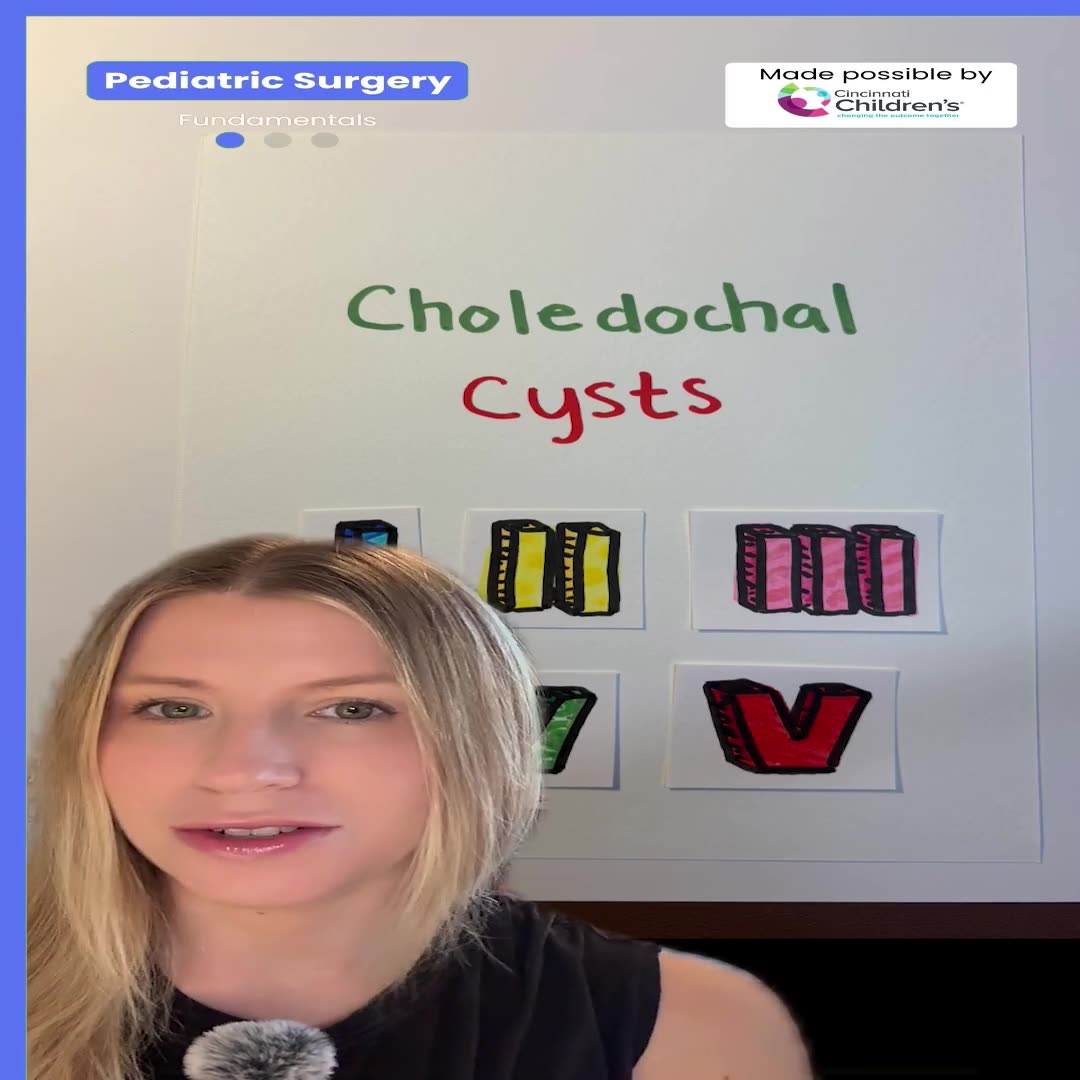
Choledochal Cyst Types Explained: Pediatric Surgery Fundamentals
1 min · Published Sep 2026
What the experts said
Some hospitals have rewritten protocols so the trauma surgeon, not neurosurgery, decides whether to give DVT prophylaxis
DVT prophylaxis can be given in solid organ injuries once the patient is stable
Patients with unstable head injury who may need ICP monitor or craniotomy should probably not receive DVT prophylaxis
Aspirin compliance at home is likely better than enoxaparin injections
Chemical DVT prophylaxis within 24 hours of injury reduces DVT risk in trauma patients compared to later initiation
A recent cohort study showed chemical VTE prophylaxis was safe, did not cause bleeding complications, and should be done within 24 hours to prevent VTE
Pediatric trauma patients with low bleeding risk and stable head, pelvic, or solid organ injuries should receive chemical VTE prophylaxis
Patients with continued bleeding and unstable injuries should not receive chemical VTE prophylaxis
EAST guidelines recommend prophylaxis for adolescent patients with ISS greater than 25
ISS (injury severity score) is calculated based on the worst injury of six body systems
If ISS is less than 25 or patient has major bleeding risk, avoid DVT prophylaxis
A 2023 NEJM randomized controlled trial by the Major Extremity Trauma Research Consortium included 6,000 adults on aspirin and 6,000 on enoxaparin with orthopedic injuries
In the 2023 NEJM trial, aspirin was non-inferior to enoxaparin for DVT prophylaxis in adult orthopedic trauma patients
Pediatric trauma surgeons are applying the adult aspirin non-inferiority data to pediatric patients and discharging them on aspirin
Cincinnati Children's has started discharging pediatric trauma patients on aspirin, recognizing the adult data is not perfect but aspirin is effective and better than enoxaparin or nothing