

From
StayCurrentMD
Soft Tissue Sarcoma Rapid Fire: Update Course 2015
Educational content from recorded physician discussions — not medical advice. Talk to your (or your child's) care team about your situation.
More about this diagnosis
RhabdomyosarcomaVideo
Ovarian Teratoma - Ovarian Torsion - Soft Tissue Sarcoma: Update Course 2015
34 min · Published Nov 2018
Video
Compiled Hayes Jordan Rapid Fire Sessions: Update Course 2015
33 min · Published Nov 2015
Video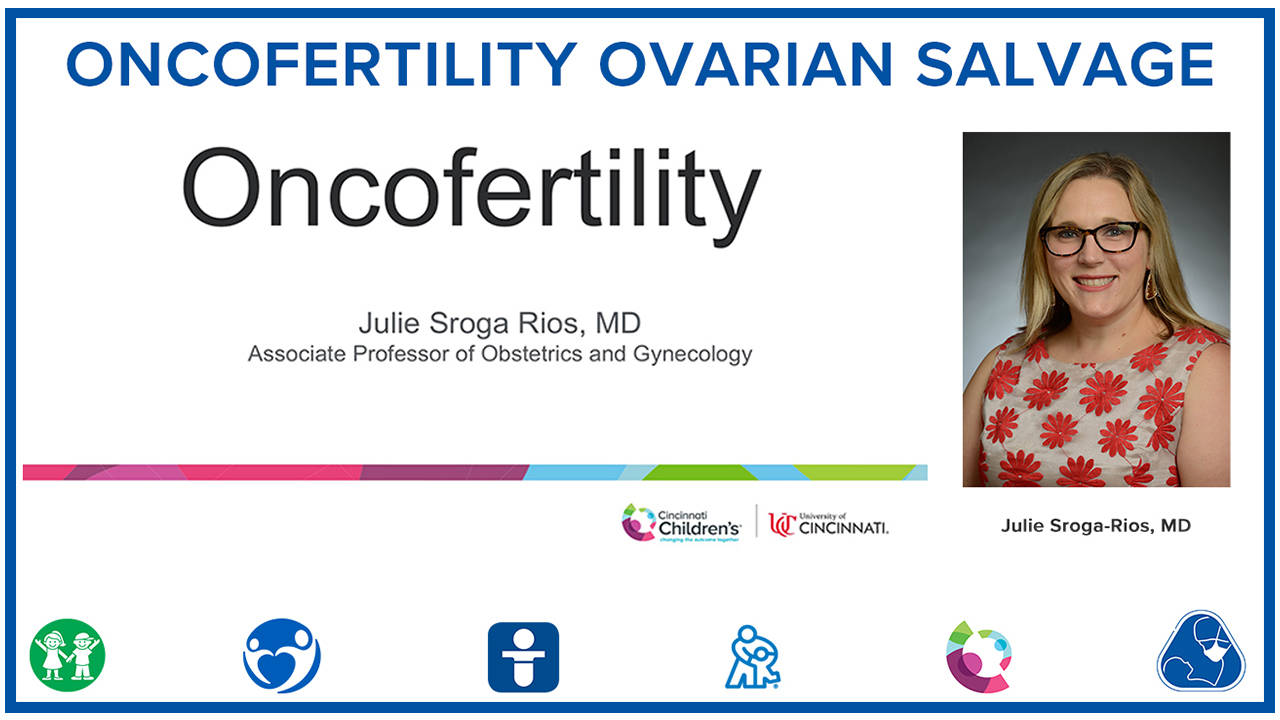
Oncofertility Ovarian Salvage
Published Mar 2020
Video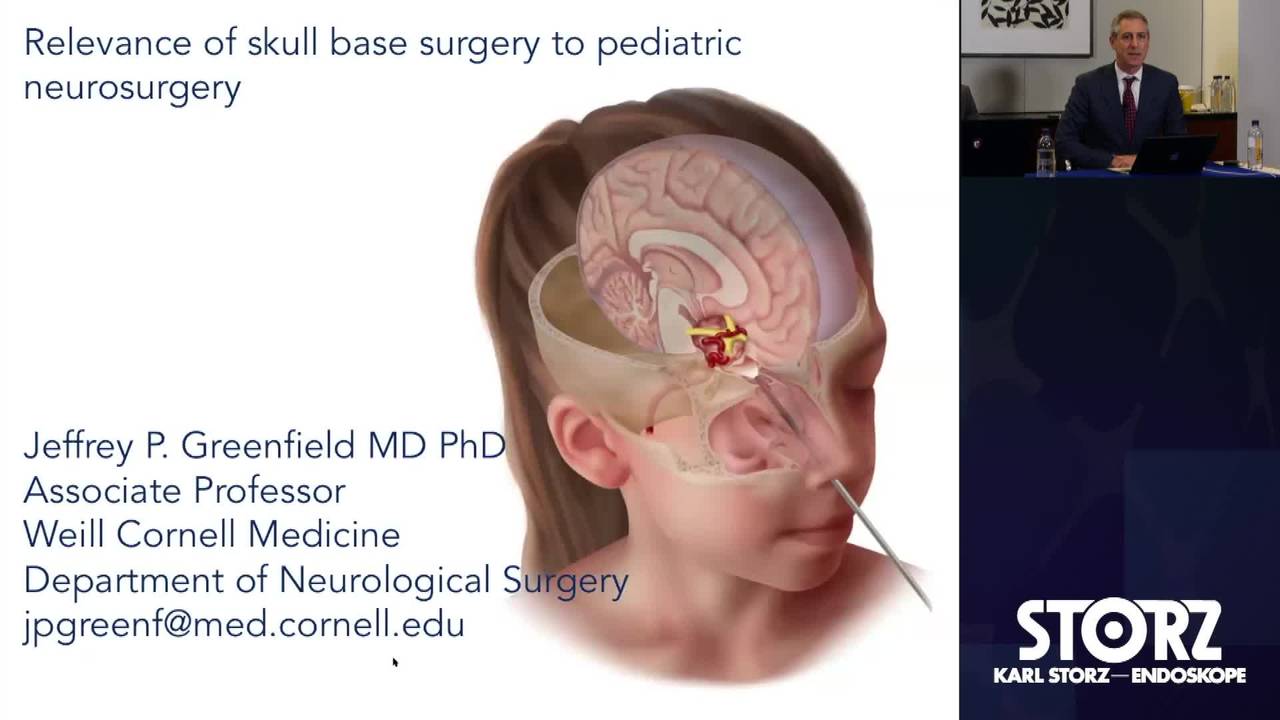
Relevance of Skull Base Surgery to Pediatric Neurosurgery: Pediatric...
21 min · Published Jan 2018
Video
Pediatric Endonasal Skull Base Surgery: Pediatric Endoscopic Neurosurgery 2018
24 min · Published Jan 2018
Video
Pediatric Endoscopic Skull Base Surgery: Collaborative Approaches and Techniques
24 min · Published Feb 2018
Video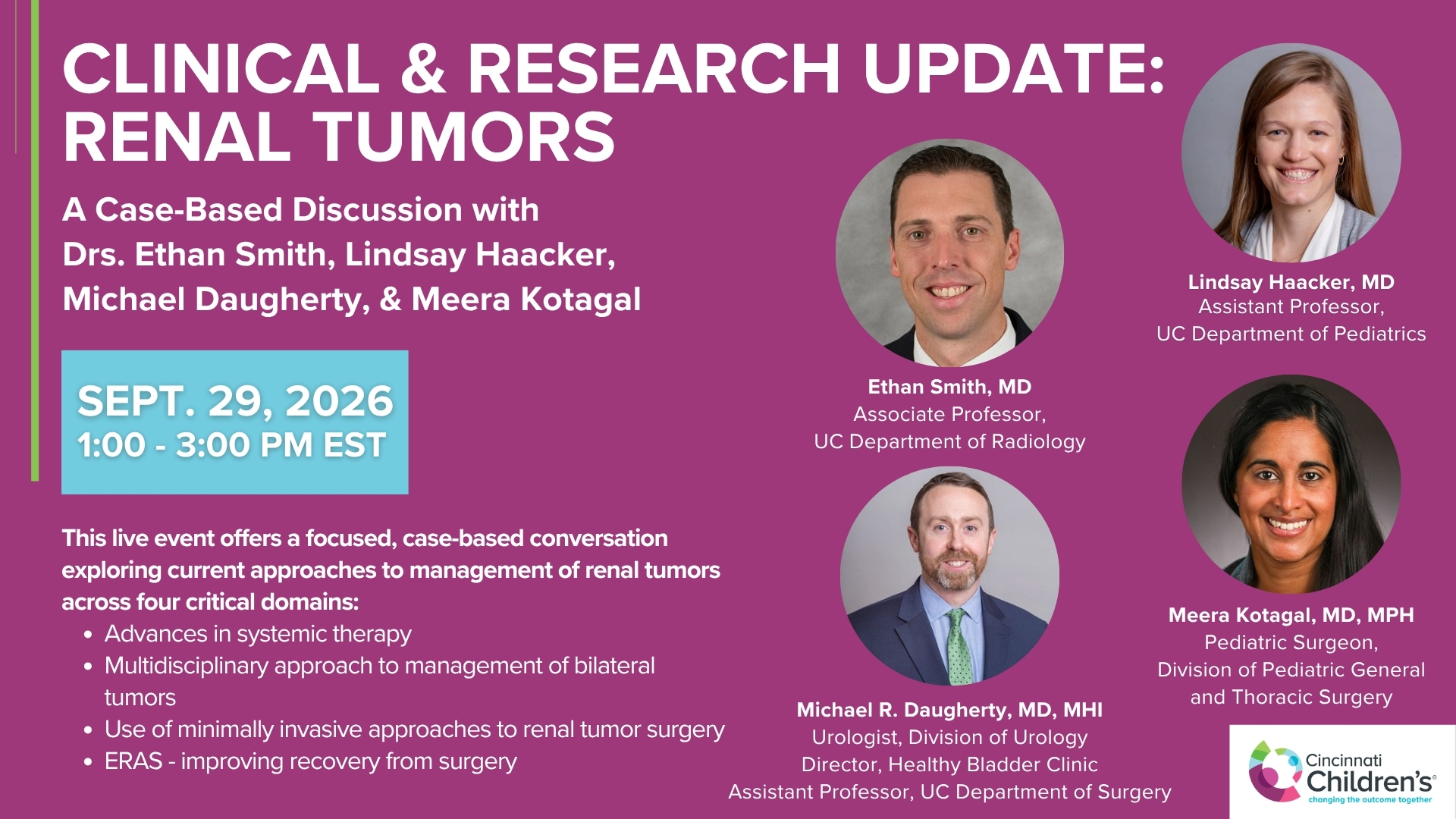
Clinical & Research Update: Renal Tumors with Drs. Ethan Smith, Lindsay Haacker, Michael Daugherty, and Meera Kotagal
71 min · Published Sep 2026
Video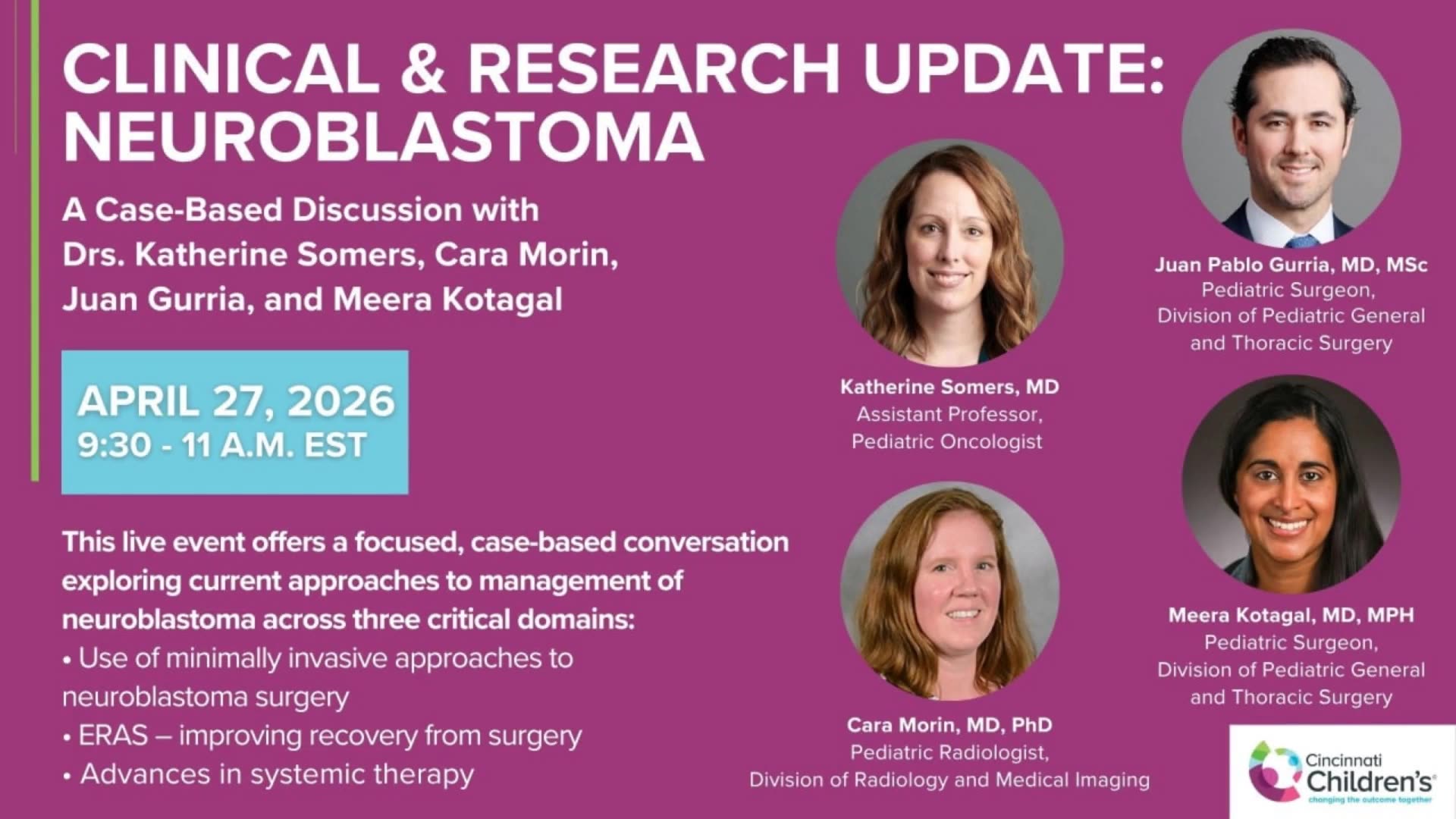
Clinical & Research Update: Neuroblastoma with Drs. Katherine Somers, Cara Morin, Juan Gurria, and Meera Kotagal
67 min · Published Sep 2026
Video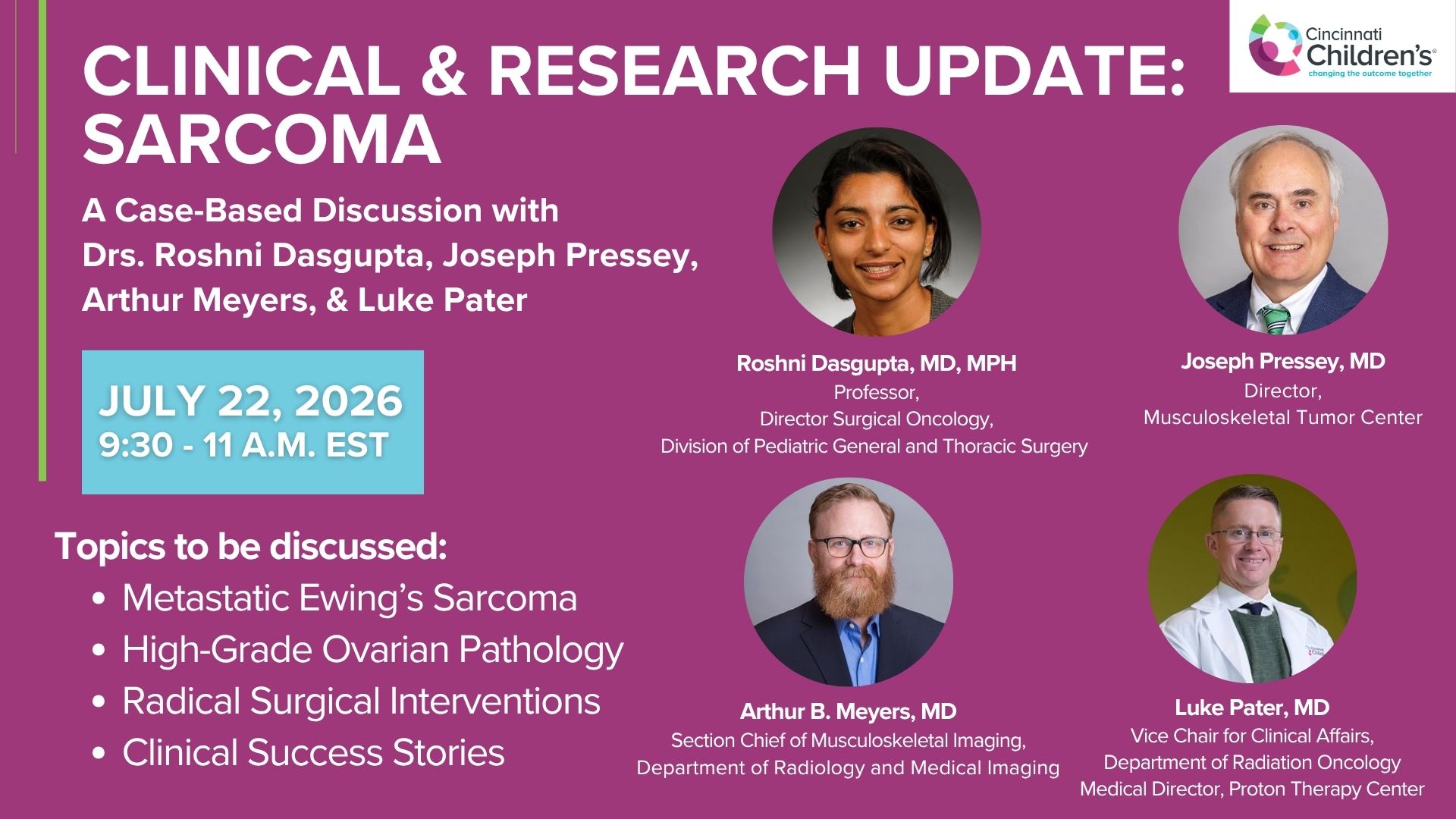
Clinical & Research Update: Sarcoma w/ Drs. Roshni Dasgupta, Joseph Pressey, Arthur Meyer, Luke Pater
66 min · Published Sep 2026
Video
Update Course Rewind 2025: Nerve Monitoring in Pediatric Thyroid Surgery
6 min · Published Jul 2026
Video
Journal of Pediatric Surgery Article Review: June 2023, AAP Issue
Todd Ponsky · 13 min · Published Jul 2026
Video
Pediatric Surgical Oncology Research Collaborative (PSORC): Studying Rare Pediatric Tumors
56 s · Published May 2026
Video
Intestinal Atresia Types Explained: Grossfeld Classification for Pediatric Surgery
1 min · Published Sep 2026
Video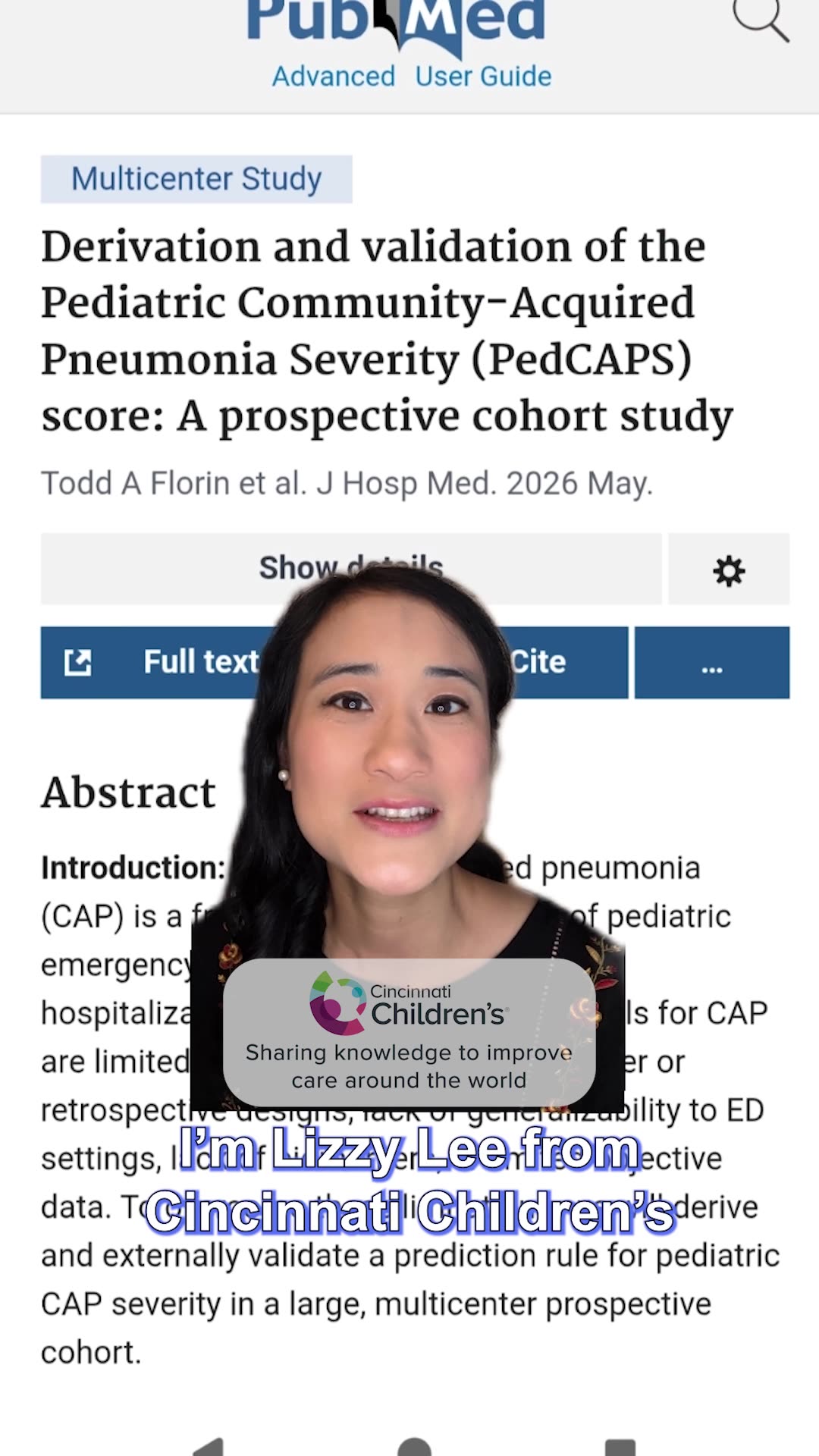
Derivation and validation of the Pediatric Community-Acquired Pneumonia Severity (PedCAPS) score: A prospective cohort study
50 s · Published Sep 2026
Video
FETO for Late-Diagnosed Severe Congenital Diaphragmatic Hernia (CDH) at Cincinnati Children's with Dr. Beth Rymeski
4 min · Published Sep 2026
Video
Severe Congenital Diaphragmatic Hernia (CDH) Case: FETO Management & Unexpected Findings with Dr. Beth Rymeski
3 min · Published Sep 2026
Video
Fetoscopic Endoluminal Tracheal Occlusion (FETO) Procedure: Step-by-Step Guide with Dr. Beth Rymeski
4 min · Published Sep 2026
Video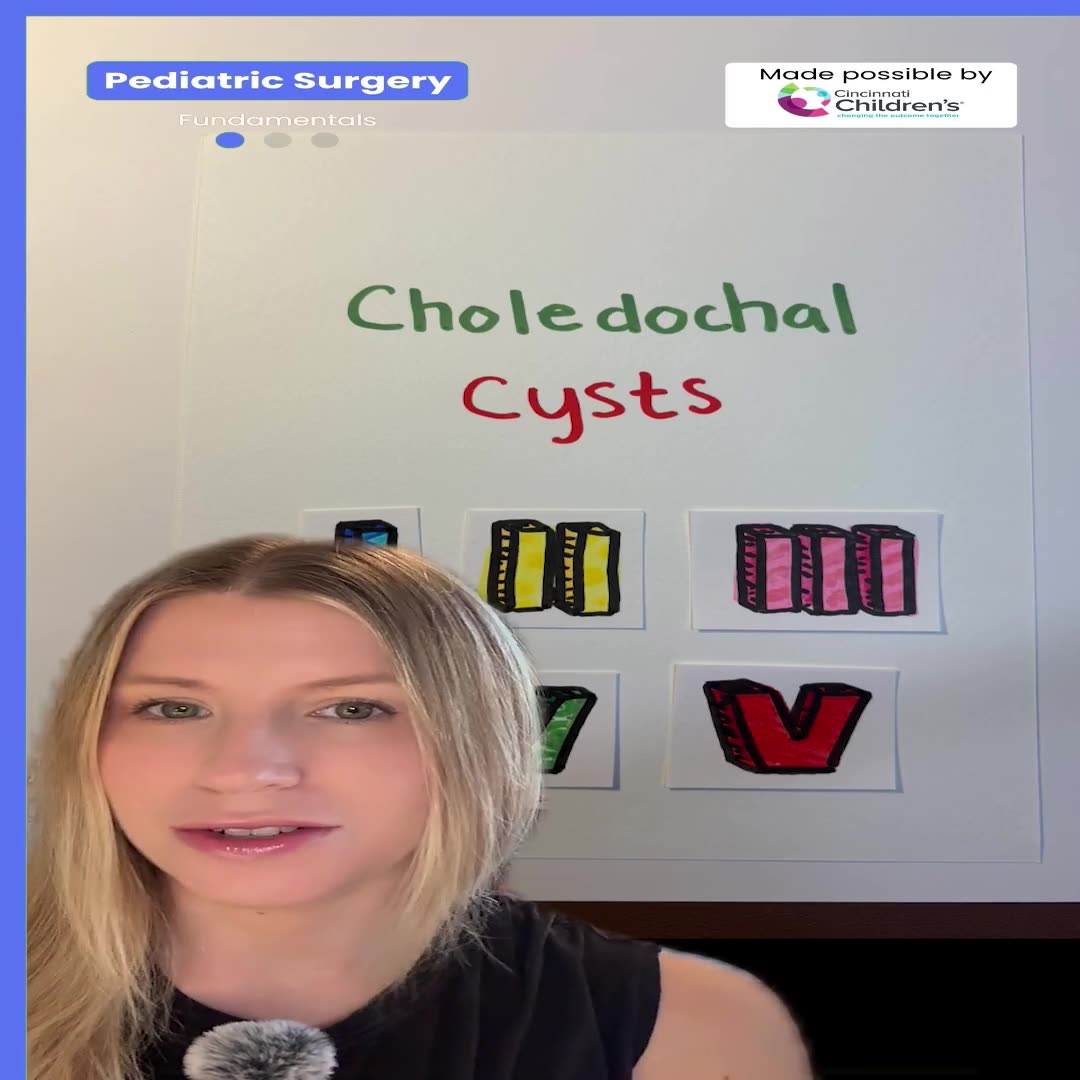
Choledochal Cyst Types Explained: Pediatric Surgery Fundamentals
1 min · Published Sep 2026
What the experts said
Half of soft tissue sarcomas are rhabdomyosarcomas, and the other half are non-rhabdomyosarcomas.
Prognosis in rhabdomyosarcoma varies depending on site, with abdominal, pelvic, and retroperitoneal tumors having the worst survival and orbital rhabdomyosarcomas having the best survival.
Stage 1 rhabdomyosarcoma includes favorable sites (vaginal and paratesticular), while stages 2, 3, and 4 are unfavorable sites with various amounts of disease.
Even a small tumor in the extremity or abdomen can only achieve stage 2 at best.
Clinical grouping in rhabdomyosarcoma depends on surgical extent: group 1 is complete removal, group 2 is microscopic residual, and group 3 is biopsy only.
Group 1 and 2 rhabdomyosarcoma patients have an excellent prognosis, while group 3 patients do more poorly.
A large tumor that a surgeon cannot resect is a biologic determination, and attempting resection with high morbidity will not improve the patient's outcome.
Five centimeters is the cutoff for low-risk versus high-risk patients in soft tissue sarcoma.
Sentinel lymph node biopsies are now required for all rhabdomyosarcoma patients with trunk or extremity tumors.
In rhabdomyosarcoma, completion node dissection is not performed after sentinel lymph node biopsy; patients receive radiation therapy instead.
Alveolar rhabdomyosarcoma patients should receive chemotherapy after biopsy, which typically reduces the tumor to approximately 1 centimeter, making resection with negative margins easier.
Sentinel lymph node mapping should be performed at the time of re-excision in rhabdomyosarcoma.
Forty to fifty percent of biopsied lymph nodes are positive in rhabdomyosarcoma.
Clinically negative lymph nodes may be positive in rhabdomyosarcoma, which is why sentinel node biopsy is performed.
Positive lymph nodes in rhabdomyosarcoma have a worse prognosis and require radiation therapy.
In non-rhabdomyosarcoma soft tissue sarcoma, histological grade is now critical for treatment planning.
Large soft tissue sarcoma tumors should be biopsied first and treated with chemotherapy before resection.
Soft tissue sarcomas have been identified as chemotherapy-sensitive or chemotherapy-insensitive, which changes treatment approach.
Low-grade soft tissue sarcoma tumors require only resection and observation, with no need for radiation or chemotherapy.
If a low-grade soft tissue sarcoma is resected with positive margins, the patient will receive adjuvant radiation therapy.
Unresectable large soft tissue sarcomas should be treated with preoperative radiation therapy and preoperative chemotherapy (previously only chemotherapy was recommended).
Small soft tissue sarcoma tumors less than 5 centimeters should be resected with attempts to achieve negative margins.
Chemotherapy-sensitive soft tissue sarcomas include synovial sarcoma and undifferentiated sarcoma.
Chemotherapy-insensitive soft tissue sarcomas include alveolar soft part sarcoma, malignant epithelioid sarcoma, and clear cell sarcoma, all of which are high-grade tumors.
For chemotherapy-insensitive soft tissue sarcomas, the surgeon and radiation therapist are the primary treaters.
High-risk soft tissue sarcoma patients receive preoperative radiation and chemotherapy.
Sentinel lymph node biopsy should always be performed if lymph nodes are clinically negative by imaging.
Positive lymph nodes receive radiation to the lymph node basin, and completion node dissection is not required.
Non-rhabdomyosarcoma tumors with negative margins after resection do not need chemotherapy if they are low-grade.
Chemotherapy-insensitive soft tissue sarcomas require aggressive surgical extirpation as much as possible.
Core biopsies are acceptable for soft tissue sarcoma diagnosis if 3 or 4 good cores that are not necrotic are obtained, with the pathologist checking the core before the interventional radiologist finishes.
An Italian study showed that a 5 centimeter tumor in a child less than 3 years old is equivalent to a 3 centimeter tumor in larger patients, suggesting 3 centimeters as the cutoff for excision versus biopsy in toddlers.