

From
Live Event Content
2025 Pediatric Surgery Update Course - Updates in Enhanced Recovery After Surgery (ERAS) Protocols
With Dr. Ben Hamm & Dr. Cassie Hoffman
Educational content from recorded physician discussions — not medical advice. Talk to your (or your child's) care team about your situation.
Video
ERAS - Clinical Practice Updates
Published Sep 2020
Podcast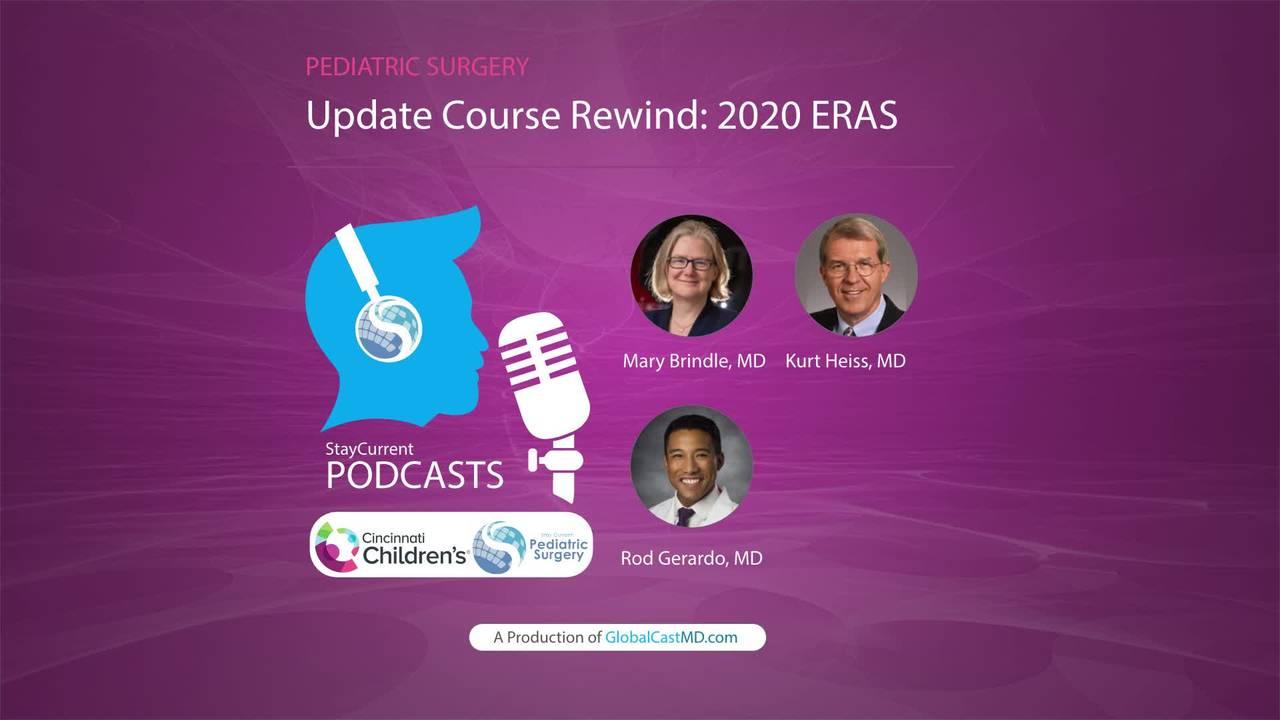
Update Course Rewind: 2020 ERAS
11 min · Published Feb 2021
Podcast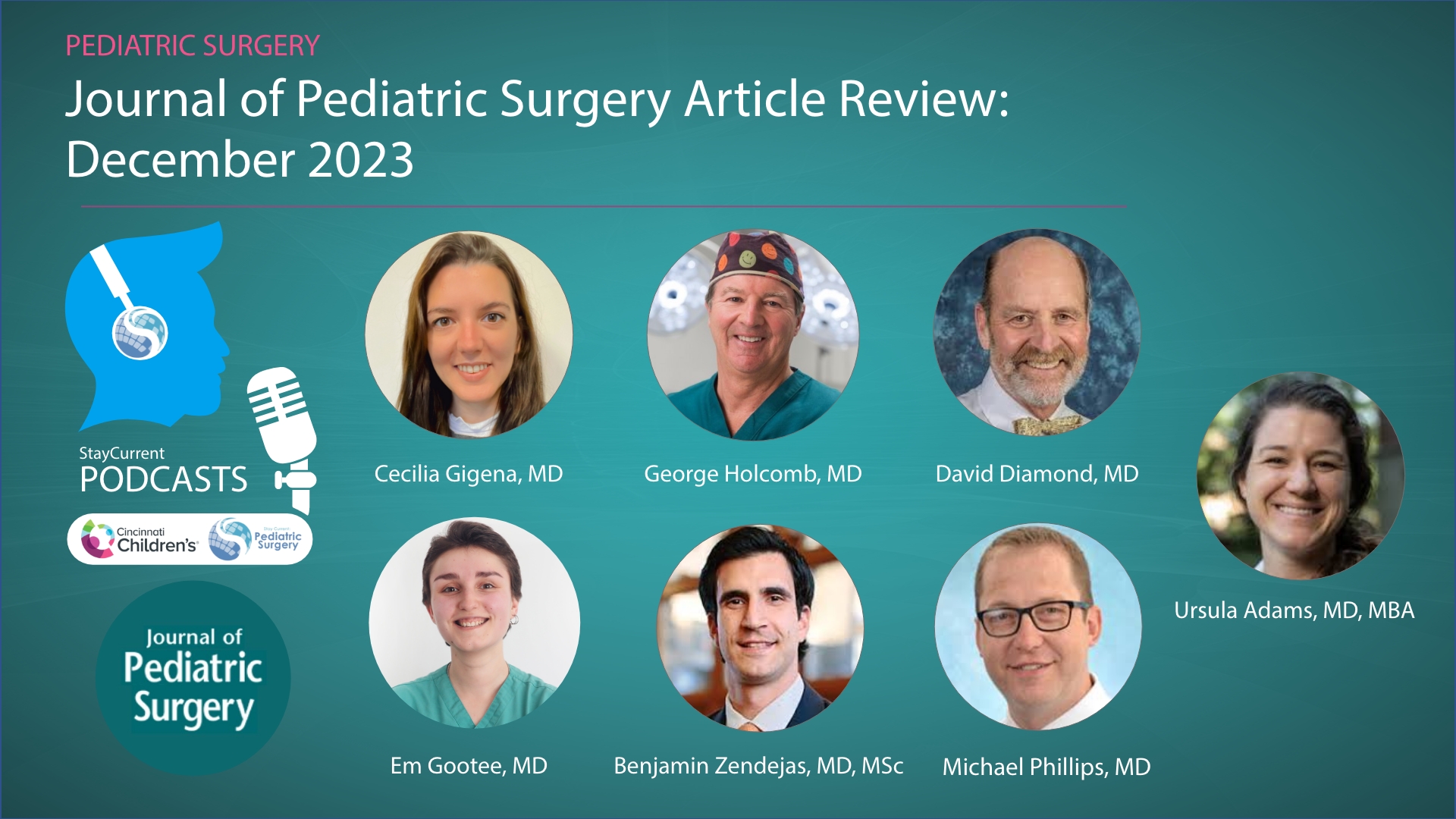
Journal of Pediatric Surgery Article Review: December 2023
15 min · Published May 2024
Podcast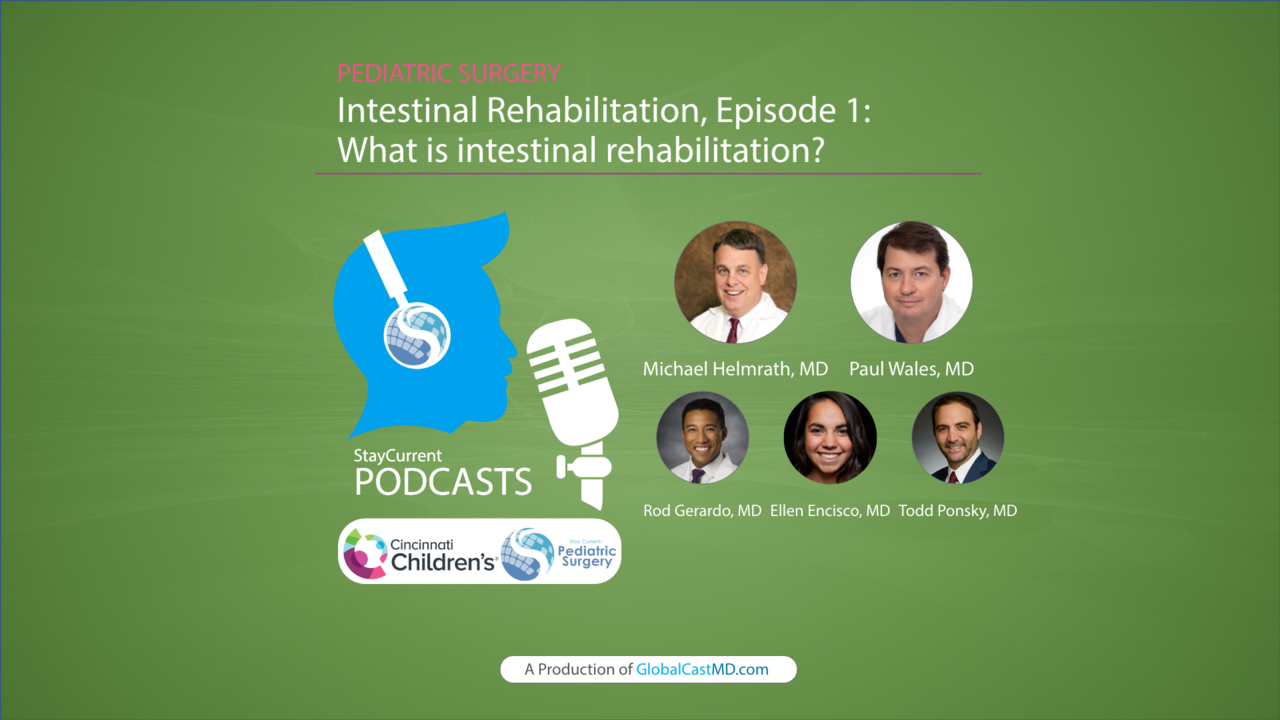
Intestinal Rehabilitation, Episode 1: What is intestinal rehabilitation?
14 min · Published Dec 2021
Video
Trinity Ileal resection w narration
Dr. Steve Rothenberg · 10 min · Published May 2026
Video
Inflammatory Bowel Disease (IBD) - Samir Pandya: Update Course 2014
28 min · Published Nov 2018
Video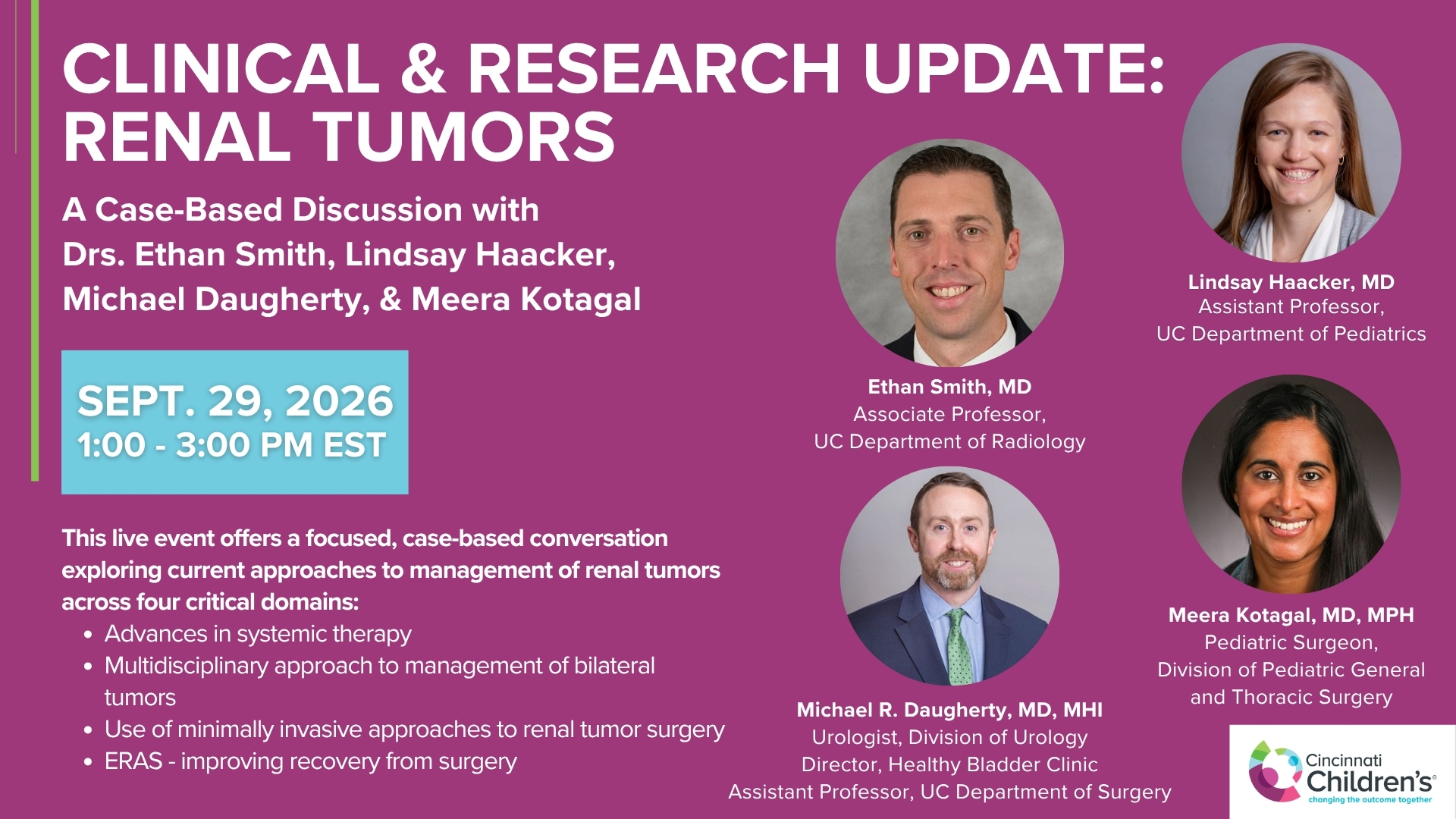
Clinical & Research Update: Renal Tumors with Drs. Ethan Smith, Lindsay Haacker, Michael Daugherty, and Meera Kotagal
71 min · Published Sep 2026
Video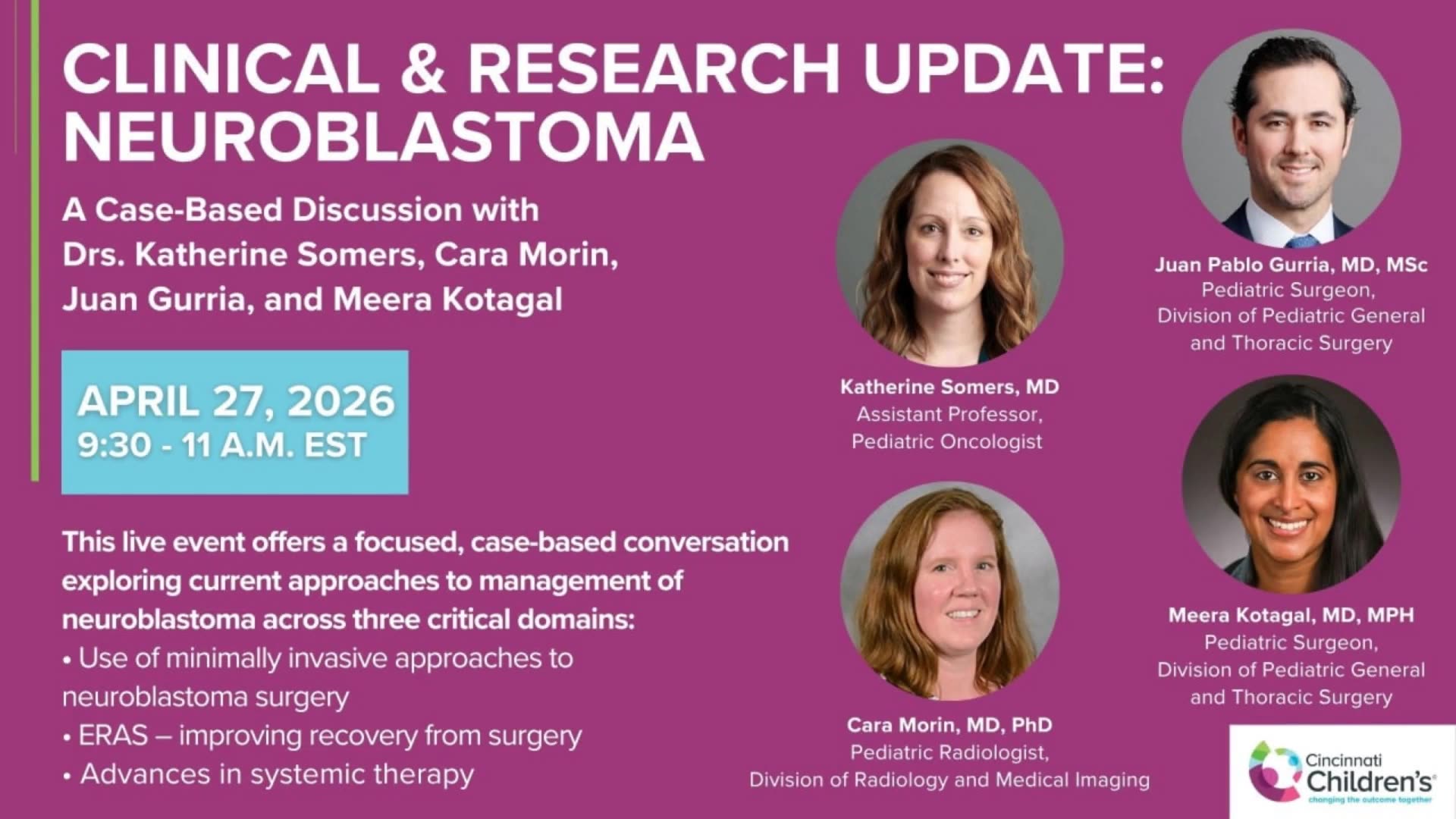
Clinical & Research Update: Neuroblastoma with Drs. Katherine Somers, Cara Morin, Juan Gurria, and Meera Kotagal
67 min · Published Sep 2026
Video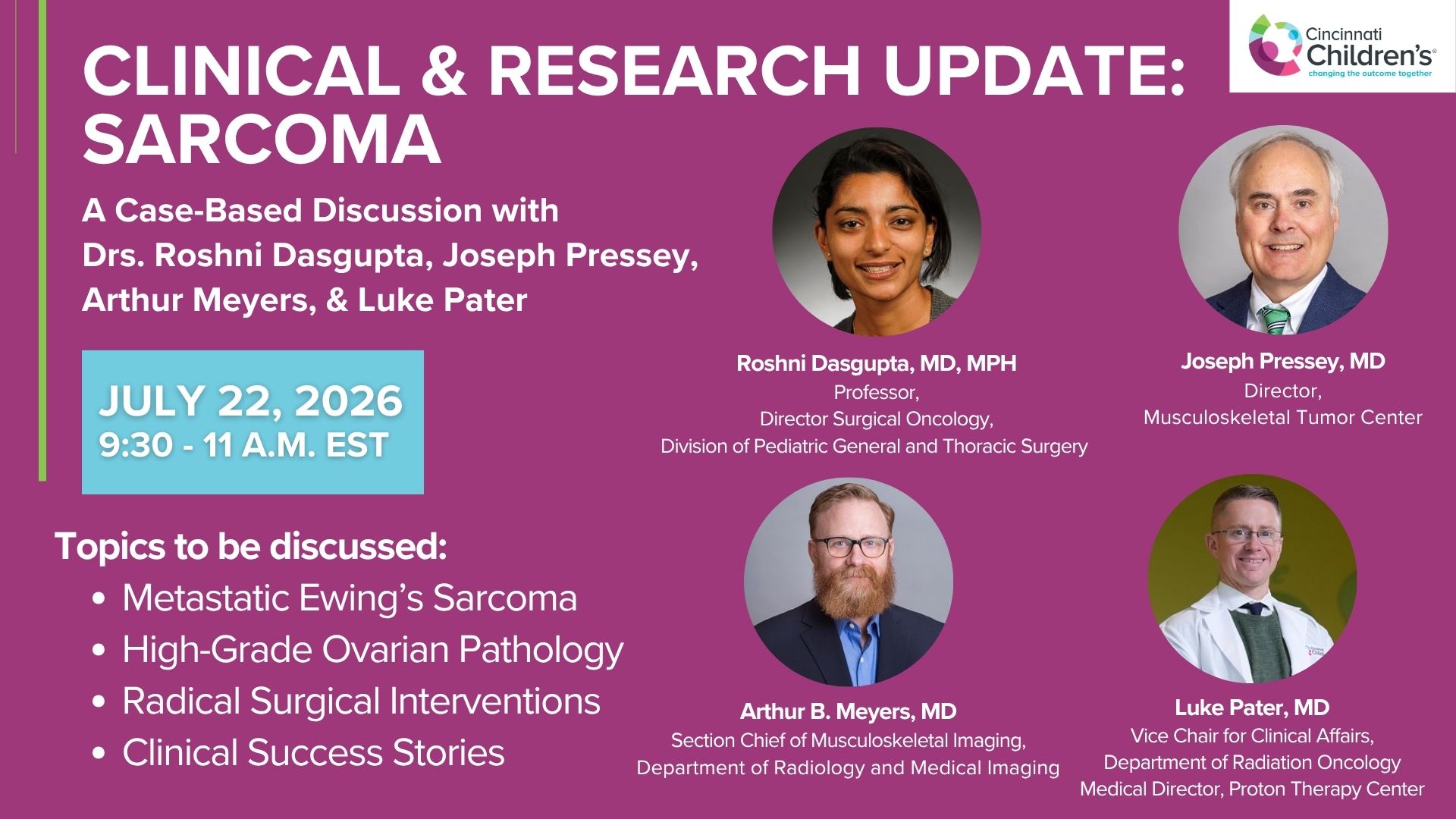
Clinical & Research Update: Sarcoma w/ Drs. Roshni Dasgupta, Joseph Pressey, Arthur Meyer, Luke Pater
66 min · Published Sep 2026
Video
Journal of Pediatric Surgery Article Review: June 2023, AAP Issue
Todd Ponsky · 13 min · Published Jul 2026
Video
Pediatric Surgical Oncology Research Collaborative (PSORC): Studying Rare Pediatric Tumors
56 s · Published May 2026
Video
Pooling Patients to Study Rare Pediatric Tumors: An Introduction to PSORC
56 s · Published May 2026
Video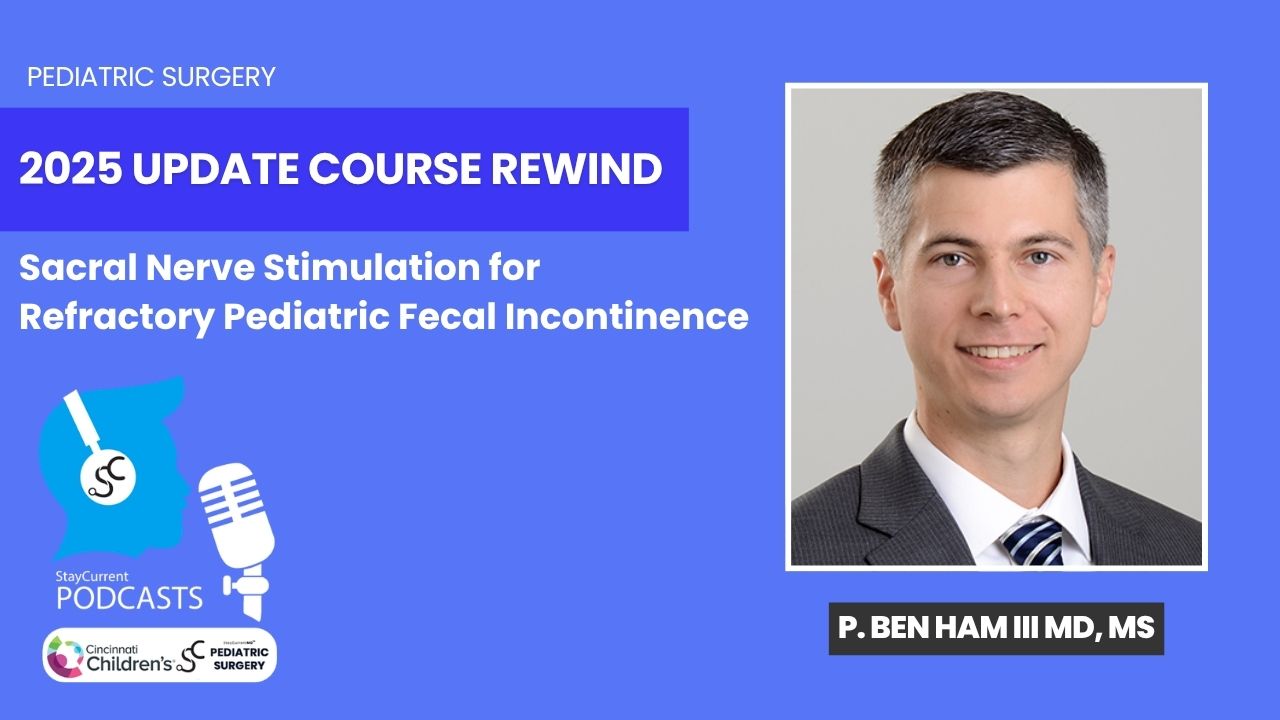
Update Course Rewind 2025: Sacral Nerve Stimulation for Refractory Pediatric Fecal Incontinence
2 min · Published Jul 2026
Video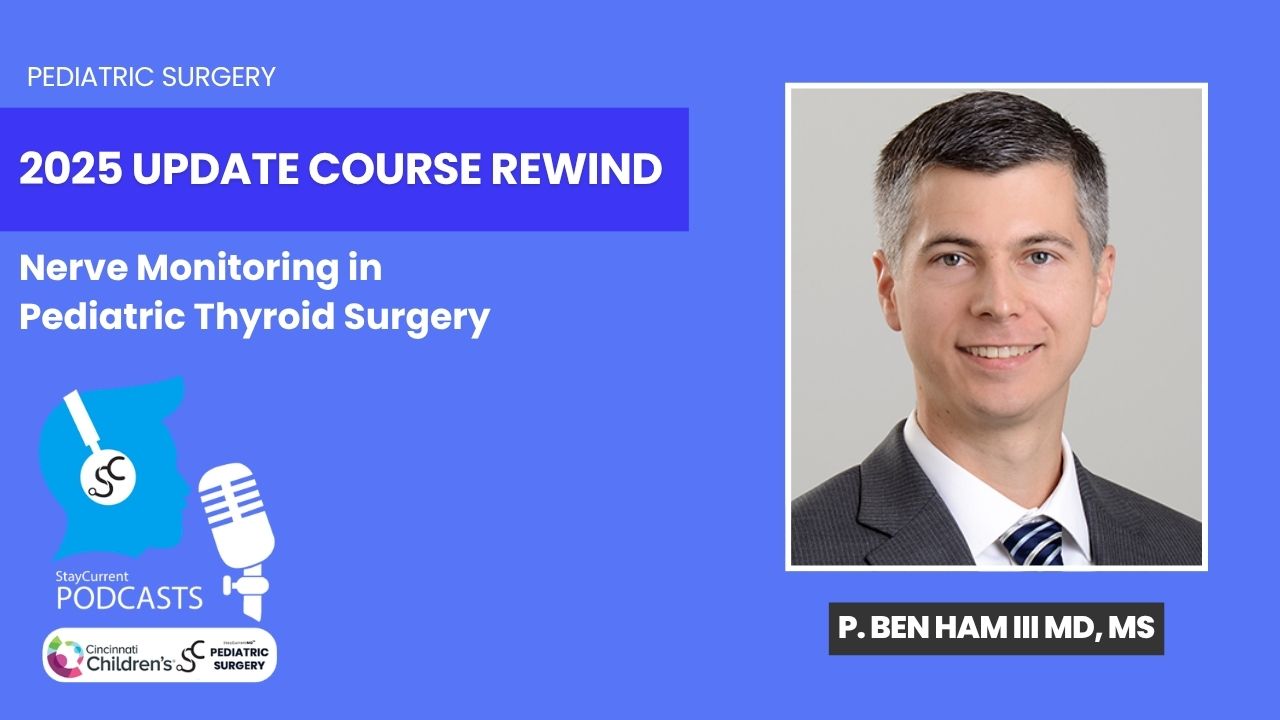
Update Course Rewind 2025: Nerve Monitoring in Pediatric Thyroid Surgery
6 min · Published Jul 2026
Podcast
Journal of Pediatric Surgery Article Review: 4th Quarter (Oct-Dec) 2024
18 min · Published Feb 2025
Video
2026 Laparoscopic Pediatric Hernia Repair
123 min · Published Jun 2026
Video
Beyond the Spectrum: Diagnosis, Myths & Management - Caitlin Couch & Leslie Lopez - APP Conference 2026
50 min · Published May 2026
Video
Dysautonomia: Navigating the Journey - Martha Willis - APP Conference 2026
55 min · Published May 2026
Video
Everything You Ever Wanted to Know About G-tubes But Were Afraid to Ask - Betsy Gerrein - APP Conference 2026
30 min · Published May 2026
Video
Take My Breath Away - Carolyn Grad, Mark Washam, & Katie Holtman - APP Conference 2026
58 min · Published May 2026
Video
Central Lines...WHAT? - Richelle Guinigundo - APP Conference 2026
26 min · Published May 2026
What the experts said
ERAS stands for Enhanced Recovery After Surgery and consists of many elements and principles that can be applied to most all elective surgeries.
Successful ERAS implementation requires significant system design, education, and reinforcement of that education.
At the speaker's center, opioid prescribing after appendectomy was reduced from 84% to 0% using ERAS principles.
The World Journal of Surgery published consensus guidelines around 2020 for ERAS in neonatal intestinal surgery.
Broader ERAS guidelines were developed for essentially all neonatal surgery following the initial intestinal surgery guidelines.
The 2020 World Journal of Surgery consensus guidelines for neonatal intestinal surgery include moderate-to-high quality evidence for regional anesthesia and opioid-sparing analgesia.
The quadratus lumborum (QL) block provides dermatomal coverage from T6 to L1-L2 depending on dosing and has no limitations with anticoagulation.
Caudal blocks can be performed with ultrasound guidance using the 'frog eyes view' (sacral cornua on either side with sacrococcygeal ligament in between) if landmark technique is difficult.
Spinal anesthesia in neonates is limited to surgeries under 90–120 minutes and is not appropriate for every abdominal case.
Adding preservatives to caudal blocks can prolong their duration, according to a 2021 meta-analysis in children less than one year old.
Most institutions now run preservative infusions in the NICU, reducing hesitancy to use preservatives in regional blocks.
Neonatology colleagues do not know what ERAS stands for or what enhanced recovery means, making implementation challenging.
The concepts that underpin enhanced recovery protocols are challenging in a complex environment like a NICU.
An 18-center step-wedge randomized clinical trial enrolled about 600 patients aged 10–18 years undergoing elective GI surgery to study ERAS implementation.
At Lurie Children's, anesthesia and nursing colleagues worked together to change the enterprise-wide policy to allow clear liquids up until one hour before surgery for all surgeries (horizontal integration).
Other departments (plastic surgery, orthopedic surgery) adopted the same ERAS preoperative scheduling and order sets after seeing the colorectal surgery implementation.
At Children's Memorial Hermann Hospital in Houston, patients were motivated to ambulate postoperatively by walking child life support dogs, with social workers documenting ambulation distance in the chart.
Cohen Children's in New York celebrated the ERAS protocol launch with C-suite buy-in, T-shirts, cake, and balloons in the lobby to change institutional culture.
In the 18-center trial, the median number of ERAS elements delivered was 13, and reaching this threshold was associated with a significant decrease in length of stay.
Delivering 13 or more ERAS elements decreased the proportion of patients with prolonged length of stay (≥7 days), reduced opioid exposure, and lowered complication rates.
Mechanical bowel prep should not be done without oral antibiotics (e.g., neomycin, flagyl) due to increased surgical site infection and anastomotic leak rates.
Mechanical bowel prep causes fluid shifts that may require IV fluid boluses, which can counteract ERAS goals of limiting fluids to enhance recovery.
Surgical volume impacts outcomes for thyroidectomy, as shown in the literature.
At the speaker's institution, one ENT surgeon and the speaker collaborate on thyroid cases as a subspecialist program.
The institution developed an Epic order set for thyroid surgery that standardizes care from clinic through postoperative care to facilitate same-day discharge.
A key intervention is adding a preoperative selective COX-2 inhibitor (celecoxib) starting the night before and morning of surgery, continued twice daily postoperatively.
In a single-center study over one year, 100% compliance with the thyroid ERAS protocol was achieved, with one patient staying overnight due to substance abuse history and postoperative nausea.
The thyroid ERAS study had no complications, no significant change in emergency room or urgent care visits, and all patients expressed high satisfaction with same-day discharge.
A multi-center study (Colorado, Cincinnati, St. Jude's) on ERAS for oncology cases showed significant reductions in intraoperative and postoperative opioids, early feeding, and reduced complications.
The oncology ERAS study showed significantly improved pain scores, particularly in the neuroblastoma subset.
Over time, postoperative length of stay for large abdominal tumor resections has decreased from 5–7 days to approximately 3 days using ERAS.
ERAS is feasible for large abdominal operations including large retroperitoneal dissections and big tumors.
Using regional anesthesia and minimizing opioids is key to successful ERAS in oncology cases.
For oncology patients, earlier discharge allows patients to get to chemotherapy earlier, which is key to long-term survival in diseases like neuroblastoma.